
Giving the answer
"Yes, heavy things sink."
Ages 3 to 6 · Science discovery
Will it float or sink? Why does the shadow move? A young child's questions are the start of scientific thinking: looking closely, guessing, comparing and finding words. In a one-to-one session in English, a tutor can follow your child's own observations and build on them, whether your child attends a Japanese nursery, an international preschool or is at home.
This is not primary school science taught early, and not a set of experiments with answers to learn.
Three of our tutors with experience of younger learners.
Haruka
English, maths & primary
Teaches English and maths from pre-school to secondary age, and takes care over a child's very first steps with numbers.
View tutor profile →
Mizuki
English, maths & primary to secondary
Teaches English and maths at each child's own pace, with experience of supporting younger learners.
View tutor profile →
Nikko
Conversation, EIKEN, IELTS/TOEFL & school English
Works in both English and Japanese, from preschool age to adults, with Japanese explanations when they help.
View tutor profile →These are some of Petra's tutors. We suggest a tutor after hearing about your child's age, where you live and what you hope for, and checking who is free. Availability changes through the year, so do get in touch.
These are questions that come before any science club or formal lessons.
Telling your child the answer is only one way to respond, and not always the most useful one.
Some children like to look for a long time and hesitate in a group. A quiet one-to-one session can suit them.
Everyday objects and a shallow tray of water can be enough.
Moving from "wow" to "this one is different because..." takes practice.
Many English-speaking families in Japan combine a Japanese nursery or kindergarten, or an English-medium preschool, with something calmer and more personal than a group class. Early science discovery is play with a question in it.
Give your child time to look, try and talk in English about natural objects and everyday materials, with an adult close by.
Lessons build on what your child meets at nursery, kindergarten or preschool and stretch their curiosity through play and conversation.
Ages are a guide. Interest and concentration differ a lot between children of the same age.
| About 3 to 4 | About 5 to 6 | |
|---|---|---|
| Main activity | Touching, looking, copying. One object at a time | Lining up, comparing, sorting. Two objects side by side |
| Tutor's questions | "What does it feel like?" "What happened?" | "Which do you think will float?" "Why do you think so?" |
| What we look for | Pointing or one word to show what they noticed | A guess, then comparing it with the result and saying why |
| Parent's role | Repeat the same play and watch safely | Wait before answering and ask "what do you think?" |
The sequence of looking, guessing, comparing and talking is the same at every age. Only the depth changes.
Each activity assumes an adult stays close. Switch tabs to see them.
Examples written for this page (not a real child's session)
A shallow tray of water, and two large, safe objects. Guess first, then check.
A dim room, an LED torch and a toy. We watch how the shadow changes.
Collect fallen leaves in a park or garden and group them by how they are alike and different.
We change the activity to suit your child and the day. These examples are not a promise of results.
The same moment can lead to very different thinking, depending on the reply.
An example written for this page
After the wooden block sinks, your child says, "It's big but it sank!"
Giving the answer
"Yes, heavy things sink."
Building on the observation
"Big, but it sank! The sponge was big too. What happened to that one?"
"Big but it sank" is a real discovery. Repeating it shows it was heard.
Asking about the sponge lets your child find for themselves that size is not the whole story.
The word "weight" can come later. Words follow experience.
The correct science words can be added later. First comes looking closely and saying it in your own words.
These apply in the lesson and at home.
Water and torch activities are watched at all times, and your child never tries them alone.
No flames, hot items, chemicals, sharp tools or small parts, and nothing that could go in the mouth.
Ask "what do you think?" and hear the whole guess. A wrong guess still shows thinking.
A bath, the kitchen or a walk in the park can all be a place to investigate. No special equipment is needed.
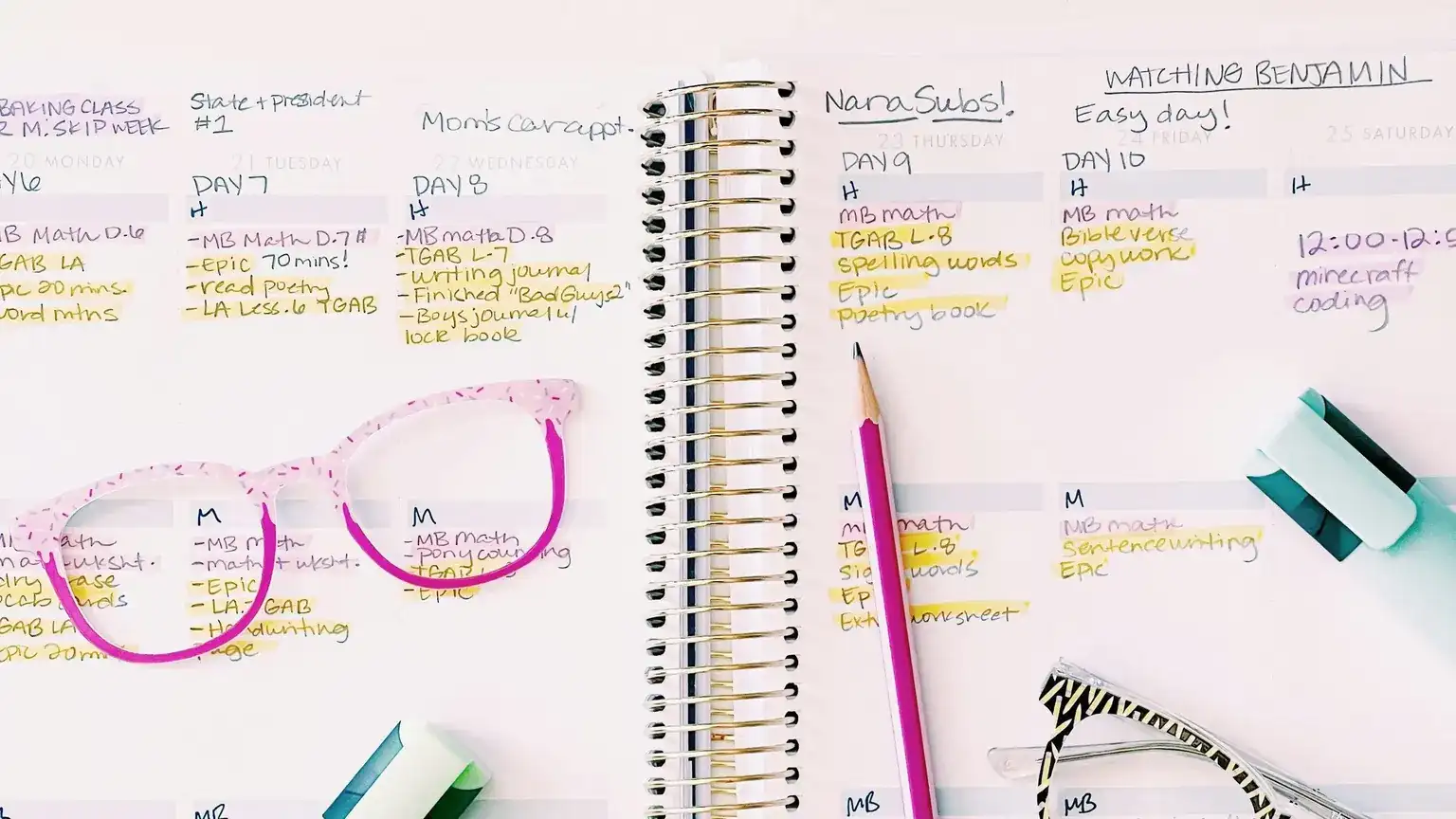
This is a made-up example to show how we share. It is not a real child's record.
Guessed which of a wooden block, a sponge and a cup would float, then put them in the water.
Said "big but it sank" about the block and began comparing it with the sponge.
Hold each object first and say whether it feels light or heavy, then give a reason for the guess.
Notes are in English or Japanese. They are a guide to the next activity, not an assessment.
Petra Tutors also has science pages for older children. Here is the difference.
Looking closely, guessing, comparing and talking. An introduction to scientific thinking, not a school subject.
Hands-on science that connects to primary school learning.
Subject science that follows school lessons and exams.
Matching depends on your child's age, the languages used at home and at school, and how your child learns best. Before we suggest anyone we check the following.
We check for real experience of children aged 3 to 6.
Whether the tutor can run water or torch activities with an adult beside the child.
Whether the tutor builds on what a child notices instead of giving the answer.
Online, using safe things you have at home. In person in Tokyo depends on the area and on the tutor.
We start with a short conversation about your child. Then we suggest a tutor and a way of working.
Your child's age, the languages spoken at home and at school, and what you would like help with. To begin, your child's age and a few details are enough.
We tell you which tutor we suggest and how a lesson would run.
Lessons can be held online. In-person lessons in Tokyo depend on the area and on the tutor's current availability.
Fees depend on the tutor, the content and the lesson format, and we explain them in the free trial lesson or when you contact us. Our pricing page gives the current overview.
Tell us your child's age and one recent "why?". We will say honestly which activities could work and whether a suitable tutor is available.
These are questions families often ask before they get in touch.
Roughly 3 to 6. Whether your child enjoys looking at something with a tutor for a short time matters more than age, so please tell us about your child first.
No. A shallow tray, a torch or some leaves from the garden will do. We tell you in advance what to prepare.
Yes, with a parent close by and safe things from home. An adult must be present throughout.
No. It is practice in looking closely, guessing and putting things into words.
We do not promise a particular tutor or a preschool science specialist. We listen to your child's age and your hopes, then check whether a suitable tutor is available before suggesting anyone.
Fees depend on the tutor, the content and the lesson format. We explain them in the free trial lesson or when you contact us. Our pricing page gives the current overview.