

New to English? Start by
enjoying it and building from there.
Even if your child finds English difficult, we help them become more comfortable step by step through phonics, vocabulary and simple conversation.
For primary pupils, complete beginners and children who find English difficult
Concerns we can help with
Whether your child is new to English, falling behind at school or lacking confidence in reading, writing or speaking, we work from where they are now.
English feels difficult
We take time to make each point clear, building familiarity gradually through simple sounds, words and phrases.
Falling behind in school English
We review the vocabulary and grammar covered in class and revisit anything that has not yet clicked.
Too shy to speak English aloud
We start with short conversations and reading aloud, in an atmosphere where mistakes are okay.
Building the foundations
of English, step by step.
We begin with sounds, words, sentences and conversation before moving on to more difficult exercises, expanding the English your child can use comfortably.
Phonics
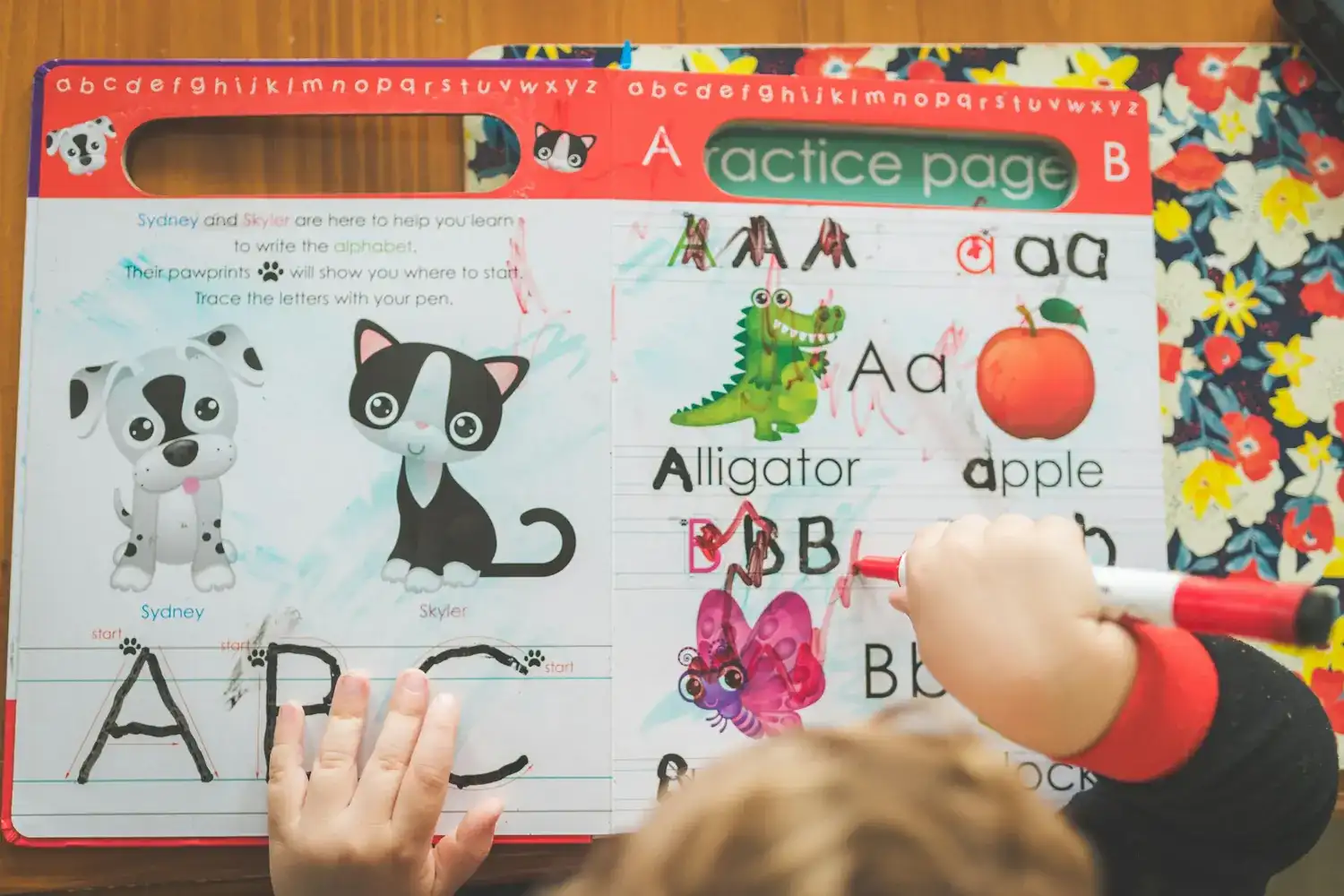
We work on the link between English sounds and letters, laying the foundation for reading and pronunciation.
Vocabulary and phrases
We practise everyday words and common phrases in context, including both their meaning and how to use them.
Simple grammar
We explain the foundations of school English clearly, including the verb 'to be', other common verbs and questions.
English conversation
We begin with short exchanges, such as greetings, introductions and talking about things they like.
School English support
We follow your child's school textbook and homework, going over anything unclear together.
The skills we build in early English
We develop reading, listening, speaking and writing gradually, based on your child's age and experience of English.
Understanding
- Listening
- Reading
Expressing
- Speaking
- Writing
- Conversation
Foundations
- Phonics
- Vocabulary
Also supported
- School English
- Confidence
Listening
Becoming familiar with the sounds of English and recognising a wider range of words and phrases.
Speaking
Starting with short answers and introductions, then gradually becoming more comfortable speaking aloud.
Phonics
Working on how letters and sounds connect, to build the foundation for reading.
Vocabulary
Learning everyday words together: what they mean and how to use them.
Reading
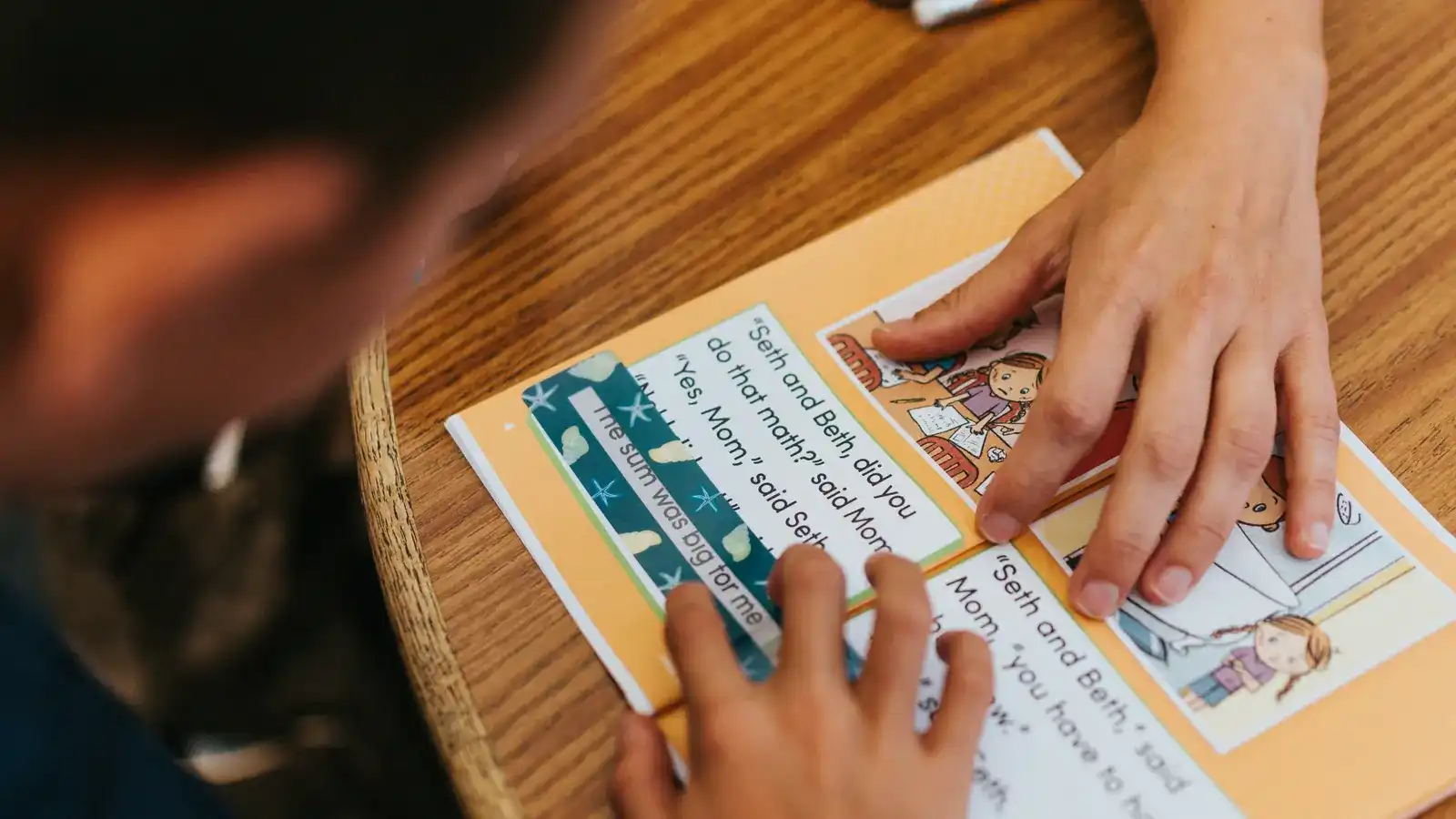
Reading short passages and school texts, with practice in understanding their meaning.
Writing
Starting with individual words and short sentences, then gradually expanding what your child can express.
Support with school English, conversation and confidence can also be discussed, depending on your child's needs.
We start from your child's current level.
We first look at their experience of English and what they find difficult, then choose content at a manageable level.
Understand their starting point
Their experience of English, what school covers, what they enjoy, and what they find hard.
Choose a manageable starting point
We choose what is most useful now from phonics, vocabulary, conversation and school English.
Build confidence through small steps
Each moment of reading, speaking and understanding adds to their confidence in English.
Beginner English:
common questions
Questions we're often asked about children new to English, or who find it difficult.
Is it okay if my child has never studied English?
Yes. We can begin with manageable material such as phonics, vocabulary and short conversations.
Can my child make progress if they find English difficult?
We check which areas are unclear and work at a pace suited to your child.
Can you help with school English and homework?
Yes. We can use the school textbook and homework and review anything that remains unclear.
English foundations
Guides for getting started with English
Petra articles on where to begin: phonics, conversation or school English.
- Getting startedWhat to focus on first so primary English remains manageable
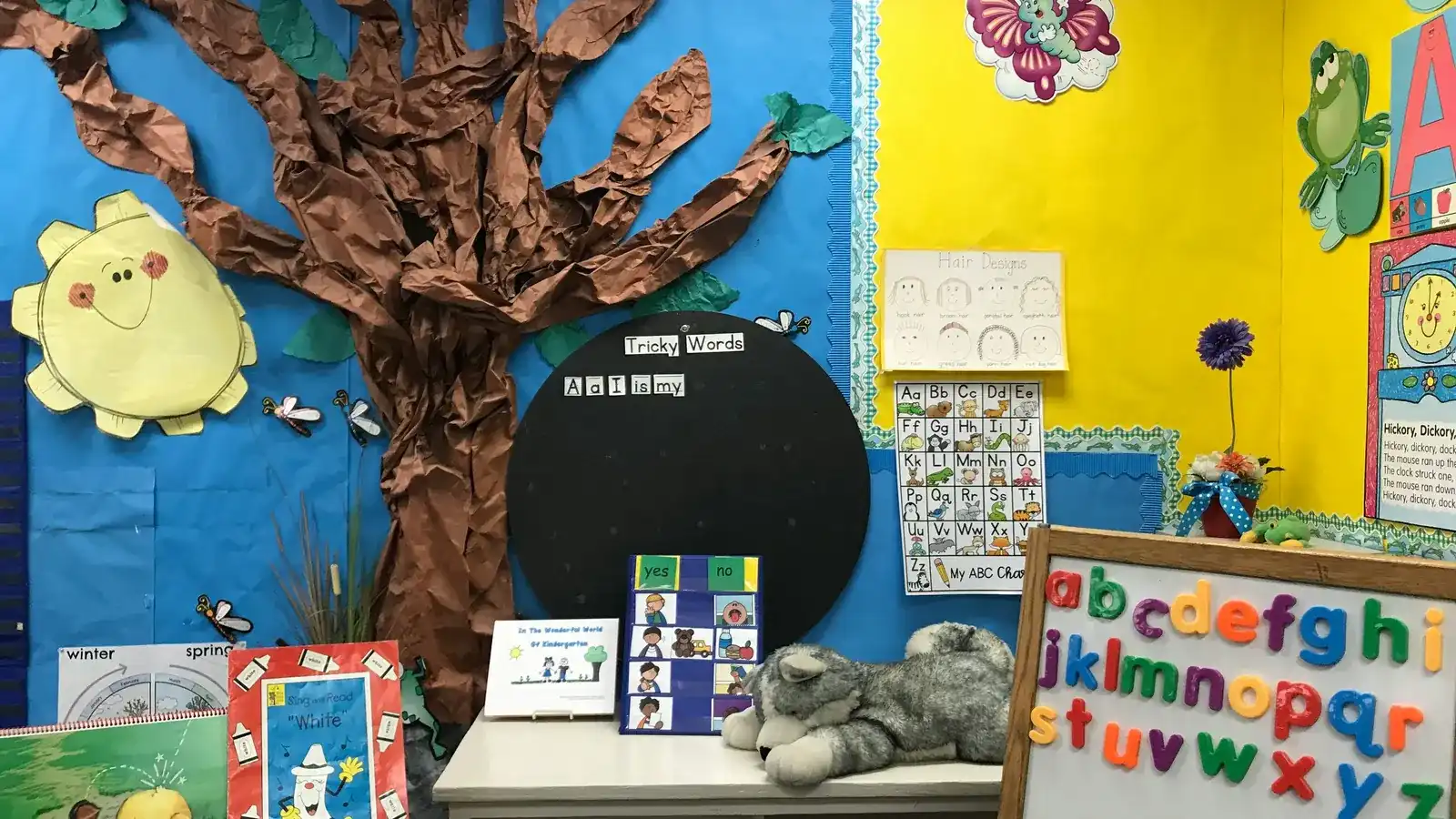
- Phonics and conversationPhonics, conversation or school English: where should we start?
- Japanese supportDoes an English tutor need to speak Japanese? How to decide on a bilingual tutor

About Petra's tutors
We consider English ability, fit with your child, teaching style and lesson reporting, then suggest a tutor.

Keio University · PEARL
English, beginners & primary
Using journal writing, grammar and pronunciation practice, Dayun helps children who find English difficult express themselves more clearly over time.

Sophia University · Faculty of Liberal Arts
English, maths & primary
Haruka supports students from pre-school to secondary age in English and maths, working carefully towards their goals.

English, IELTS & SAT
Julie keeps explanations simple and clear for students who feel unsure about English, working at a pace that supports gradual confidence.
Let's make starting
English feel manageable.
We will ask about your child's experience of English, what they find difficult and how school is going, then suggest a manageable way to begin.
For primary pupils, complete beginners and children who find English difficult