
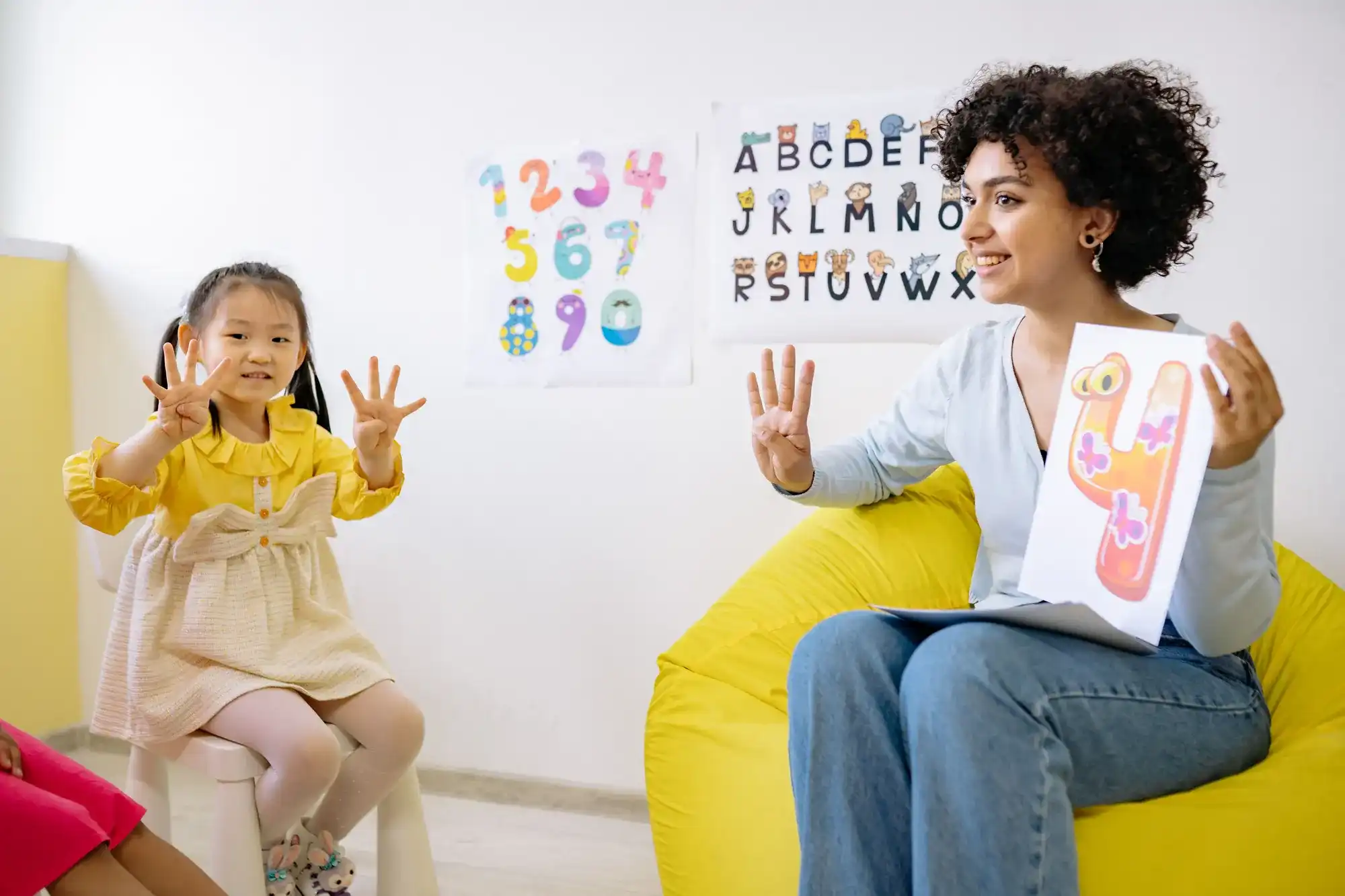
Ages 3 to 6, maths
Preschool maths tutoring that grows number sense through play
Speed at sums matters far less at this age than questions such as "which has more?" and "how did you know?". Using large blocks and everyday objects, we count, compare and sort together, and we listen closely to what your child says.
We ask about your child's age and how they are doing, and check the fit before we suggest a tutor.
Meet some of our tutors
Three of our tutors with experience of younger learners and of teaching maths.
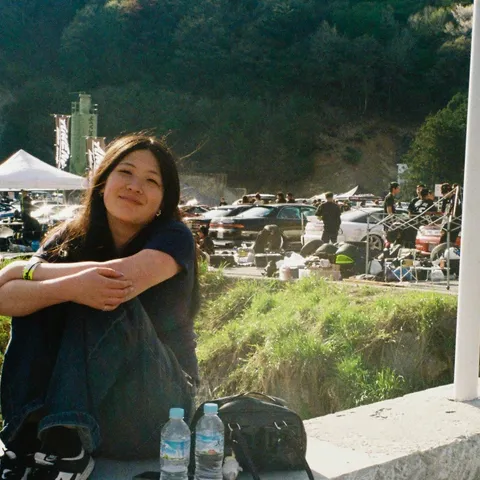
Haruka
English, maths & primary
Teaches English and maths from pre-school to secondary age, and takes care over a child's very first steps with numbers.
View tutor profile →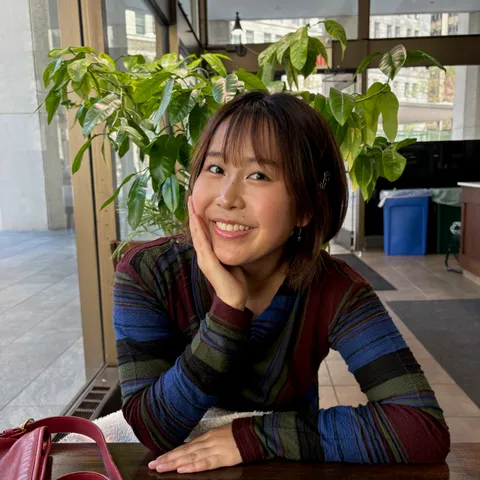
Mizuki
English, maths & primary to secondary
Teaches English and maths at each child's own pace, with experience of supporting younger learners.
View tutor profile →
Nikko
Conversation, EIKEN, IELTS/TOEFL & school English
Teaches from preschool age to adults, has looked after children aged about 1 to 13, and has helped with primary-level maths in English.
View tutor profile →
These are some of Petra's tutors. We suggest a tutor after hearing about your child's age, where you live and what you hope for, and checking who is free. Availability changes through the year, so do get in touch.
When families get in touch
At this age the way a child first meets number matters more than getting things right. These are the kinds of questions we hear.
Counting is fine, comparing is shaky
A child may count to ten but give unsteady answers to "which is more?". Counting and a feel for quantity may not have connected yet.
Wanting number to feel like play
Not worksheets, but tidying up and sorting as a way in to numbers and shapes.
The last year before school
Families want to know what is worth doing before primary maths, and how to do it without pressure.
Attention that moves quickly
Short sessions that change activity as your child's interest changes.

Activities for ages 3 to 4 and ages 5 to 6
Ages are a guide. We choose activities by where your child is now, not by year group.
| Learning area | Ages 3 to 4 | Ages 5 to 6 | What the tutor looks for |
|---|---|---|---|
| Counting and one-to-one matching | Pointing and counting objects one at a time, up to about 5 | Counting to 10 when the layout changes; answering "how many altogether?" | Whether pointing and the counting words match |
| More, fewer, the same | Two groups side by side: "which has more?" | Does the number stay the same when the layout changes? "How many more to match?" | Whether the child can give a reason in their own words |
| Shapes and sorting | Sorting by colour, shape or size | Sorting by two rules (red and round) and explaining the rule | Whether the child keeps to a rule until the end |
| Order and position | Up, down, next to, in front, behind, shown with the body | First and second; left and right; describing an order | Whether words and movement connect |
| Parts of a number | Splitting objects into two groups to make 3 | Splitting 5 as 2 and 3, or 1 and 4; a first step towards groups of ten | Whether the child looks for another way to split |
This table helps us see what a child already understands. It is not a way of deciding that a child cannot do something.
A first lesson example: red blocks and blue blocks
The same materials change with age: the tutor's questions and what we watch for are different. Use the tabs to switch age.
An example written for this page, not a real child's lesson
Ages 3 to 4
Two red blocks and three blue blocks are set in front of the child. We start with a feel for "more" before counting.
- Materials
- Large blocks or bricks that are hard to put in the mouth. No buttons or small parts.
- Tutor's questions
- "Which has more, red or blue?" "How did you know?"
- What the child does
- Points, lines the blocks up one by one, or gestures towards one group. Words are not required to show thinking.
- What we look for
- Whether pointing and counting words match; whether the child recounts or judges by sight.
- Next lesson
- Change the line into a circle and test whether the number stays the same when it looks different.
Ages 5 to 6
Five blocks and two small boxes. The focus moves from counting to ways of splitting and giving reasons.
- Materials
- Five of the same large blocks and two small boxes.
- Tutor's questions
- "Share the five blocks between the boxes. Is there another way?" "If we move them, is it still the same number?"
- What the child does
- Splits 2 and 3, then 1 and 4; rearranges and recounts.
- What we look for
- After finding a split, can the child say in their own words why it is still five?
- Next lesson
- If finding splits is fun, move to six or seven. If it is shaky, go back to three or four.
This shows how a lesson might run. It is not a promise of results, and the questions and materials change with your child's responses.
What sharing progress could look like
These are made-up examples to show how we share. They are not a real child's record.
What we saw (example)
Counted to five while pointing at each block. When asked which group had more, recounted before answering.
Next practice (example)
Check whether the number stays the same when the blocks are in a circle or in two rows.
At home (example)
When counting stairs or bath toys, ask "how many more?" once. There is no need to hurry the answer.
These are examples only. The way we share is agreed with you and your child.
What you need, and your part
You do not need to buy special equipment.
Materials
Large blocks or bricks and empty boxes from home are enough to begin. Small things that are easy to swallow are not used.
Your part
Depending on age and temperament, we agree in the first lesson whether you stay close. Watching and sharing what you noticed afterwards is plenty.
If the lesson is online
Screen time is kept short and most of the activity uses hands and objects at home.
From first message to first lesson
We check the fit as we go, without pressure.
Getting in touch
Tell us your child's age, the languages used at home and what you hope for.
Checking for a tutor
We check whether a suitable tutor is available, and suggest one if so.
Free trial lesson
A short activity together, while we see how your child responds.
Deciding whether to continue
After the trial the decision to continue is yours.
Sharing with you
If you continue, a short note tells you what we saw and what comes next.
What this support covers
A few things worth knowing before you decide.
How it differs from our maths page
Our maths tutoring page covers primary to secondary. This page is only for ages 3 to 6, learning number through play.
Specialist support for concerns
For questions about development or learning differences, a specialist is the right person to speak to. Lessons focus on learning number through play.
Number through play, at your child's pace
We follow your child's curiosity into number and shape rather than pushing textbook content.
We check that the tutor fits a young child
Matching depends on your child's age, the languages used at home and at school, and how your child learns best. Before we suggest anyone we check the following.
Experience with ages 3 to 6
We check real experience of working with very young children.
Language of the lesson
Japanese, English or both, depending on your wishes and the tutor.
Format
Online or in person. In-person lessons in Tokyo depend on area and tutor.
Timing
A time of day when your child is settled and alert.
What we confirm before lessons begin
We start with a short conversation about your child. Then we suggest a tutor and a way of working.
What we ask you
Your child's age, the languages spoken at home and at school, and what you would like help with. To begin, your child's age and a few details are enough.
Suggesting a tutor
We tell you which tutor we suggest and how a lesson would run.
Online or in person
Lessons can be held online. In-person lessons in Tokyo depend on the area and on the tutor's current availability.
Price and free trial lesson
Fees depend on the tutor, the content and the lesson format, and we explain them in the free trial lesson or when you contact us. Our pricing page gives the current overview.
Tell us about your child
and we will go through it with you
Tell us your child's age, the languages used at home and how they are doing, as far as you know. We will explain what is possible and whether a suitable tutor is available.
Questions about preschool maths
These are questions families often ask before they get in touch.
What age can we start?
From about three. Age matters less than whether your child enjoys a short activity with a tutor, so please talk to us first.
What if my child cannot count yet?
That is fine. We can begin with "more or fewer" and sorting before counting.
Should a parent stay in the room?
It depends on age and temperament. Many families stay close for the first lesson and then agree how to step back.
Can lessons use both English and Japanese?
We follow your home languages. Whether a tutor can work in Japanese, English or both is confirmed once we know who is available.
Do we need special materials?
No. Large blocks or bricks from home are enough, and we avoid small items.
Is this early preparation for primary maths?
We do not teach ahead from textbooks. We build the experiences that primary maths rests on: comparing, splitting and explaining.