
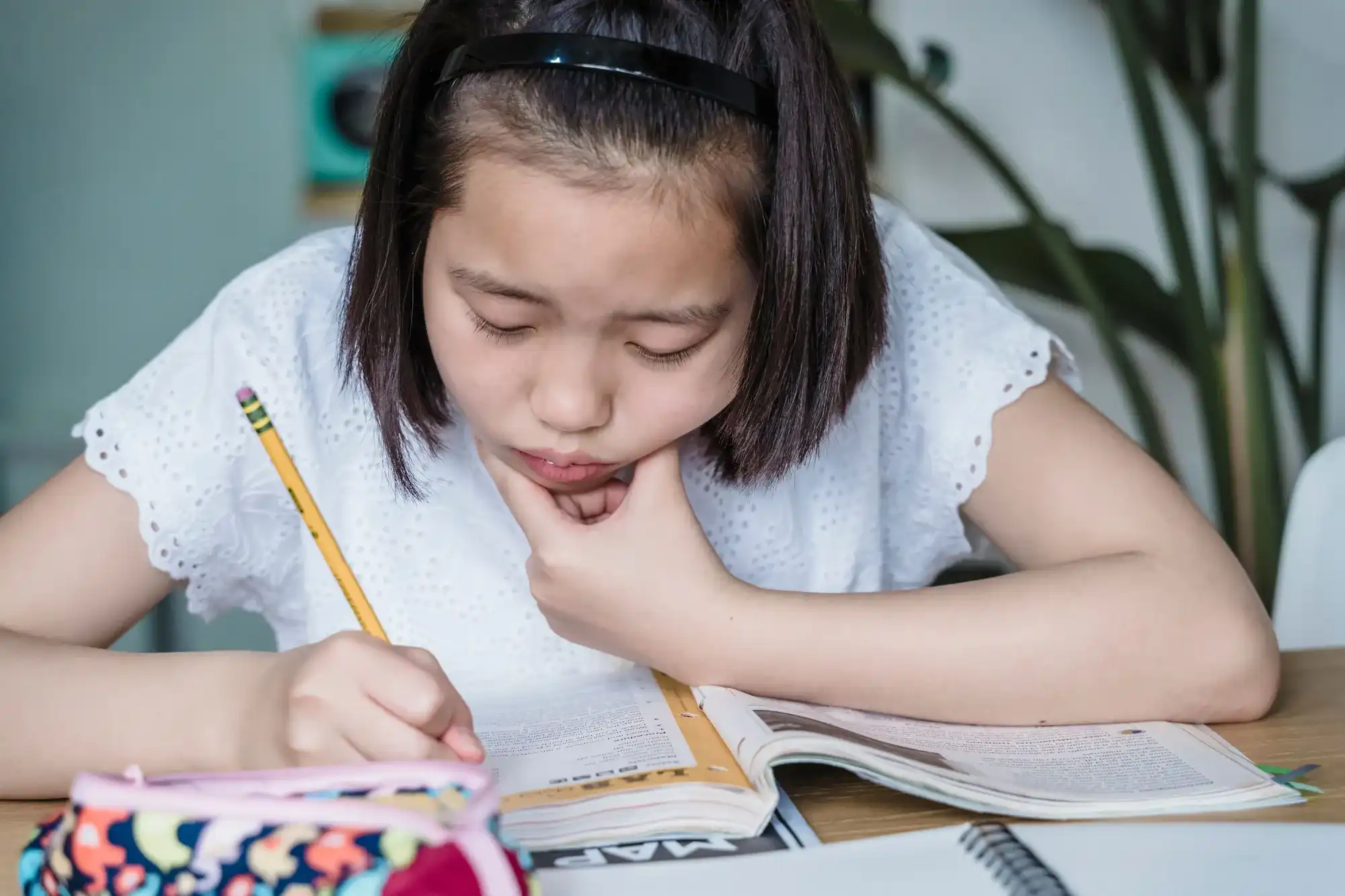
A command
“Now tell me about it in English, please. Come on, you know the words.” The child says “I don’t know” in Japanese and the conversation ends.
Ages 3 to 6 · Japanese and English
One-to-one lessons that keep English strong while building confidence in Japanese, using picture books and play.
Two tutors: one who works in both Japanese and English, and one with experience of younger learners. Each tutor's languages are confirmed with you first.

Nikko
Conversation, EIKEN, IELTS/TOEFL & school English
Works in both English and Japanese, from preschool age to adults, with Japanese explanations when they help.
View tutor profile →
Mizuki
English, maths & primary to secondary
Teaches English and maths at each child's own pace, with experience of supporting younger learners.
View tutor profile →These are some of Petra's tutors. We suggest a tutor after hearing about your child's age, where you live and what you hope for, and checking who is free. Availability changes through the year, so do get in touch.
Questions we hear from families raising children with two languages in Japan.
Nursery, kindergarten and friends are in Japanese, and English time at home can shrink.
Some children understand Japanese but hesitate to speak or read it. A friendly place to practise can help.
Many parents wonder whether this is a problem. See the section below for how we think about it.
Which language when, and for what: families often want to talk this through.
Children meet languages in different places. At the first conversation we sketch a map like this to decide where lessons can help.
| Situation | Language used (example) | What a lesson can consider |
|---|---|---|
| At home with parents | Mostly English | How to enrich vocabulary and storytelling in English |
| At home with siblings | English and Japanese mixed | Chances to choose a language by situation, even when they mix |
| Nursery, kindergarten or school | Mostly Japanese | Opportunities to talk about the day in English too |
| Books and videos | Both English and Japanese | Telling the same story in two languages |
This is an example written for this page. It is not a real family's record.
One picture book, enjoyed in Japanese and in English. Switch tabs to see the steps.
An example written for this page (not a real child's session)
Start with a short book your child already likes, read in Japanese.
Talk about the same scenes in short English.
Put words from both languages side by side.
Which book, and how much of each language, depends on your family's wishes and your child. These examples are not a promise of results.
Ages are a guide. We adjust to your child, not to a school year.
| About 3 to 4 | About 5 to 6 | |
|---|---|---|
| Main activities | Songs, finger play, read-aloud | Retelling, pretend play, short conversations |
| Japanese | Growing everyday words; naming feelings | Telling a story in order; first steps into hiragana |
| English | Listening and acting; copying words | Short sentences; noticing letter sounds |
We do not measure either language as pass or fail. We widen the situations in which each can be used.
Using Japanese and English within one sentence is common in children who use two languages.
The child is using the word they have to get a message across. We accept it as it is.
The tutor repeats what the child said in the other language. We do not correct or ask them to start over.
We loosely set times for Japanese and for English so the child can choose between them.
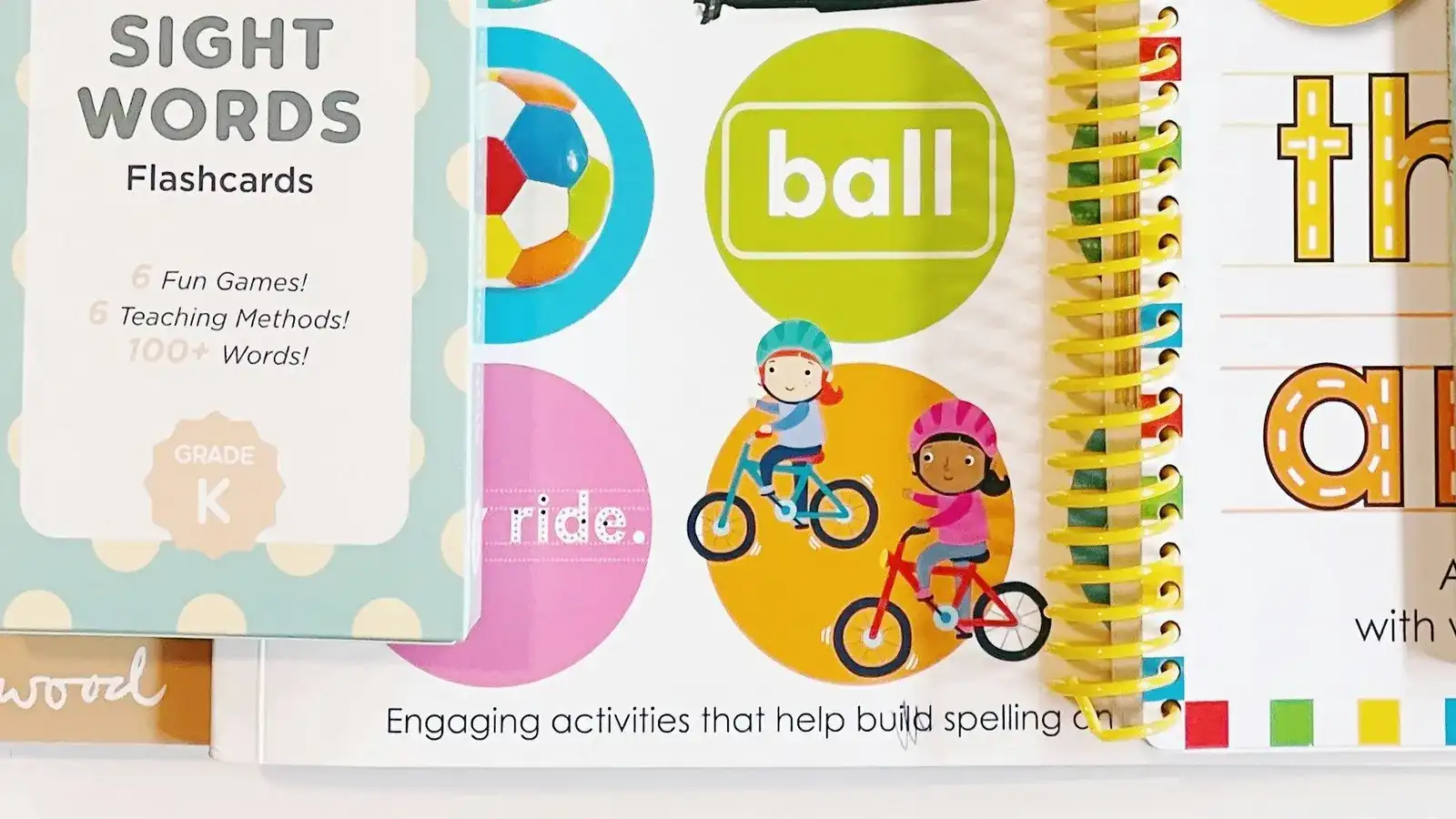
This page serves families in Japan and in the Netherlands. This section describes Japan.
Nursery, the neighbourhood and friends use Japanese, so making room for English, and for speaking it rather than only hearing it, is a common concern.
Many families want their child to be comfortable with the language around them, including picture books and first letters.
Plans for schooling, how long you will stay and your child's wishes all matter. We start by listening.
This is a made-up example to show how we share. It is not a real child's record.
Said the bear felt "sabishikatta" (lonely) in his own words.
Copied "The bear is sad." and chose "happy" and "sad" correctly from pictures.
Tell the same scene once in each language. At bedtime, pick one page and talk about it in whichever language feels right.
Notes are in English or Japanese. They are a guide to the next lesson, not an assessment.
Things worth knowing before you decide.
How far each language goes depends on the child and the family's situation, so we follow your family's pace.
These lessons widen the situations in which a child can use two languages.
We confirm what each tutor can do in Japanese and English before suggesting anyone.
Moving between two languages and creating a reason to speak English.
The child first shares what they read in a few English words.
The same idea is retold in Japanese to check meaning.
With the rephrasing as a guide, the child summarises again in English.
Introducing a story to the family gives English a purpose.
Bilingual homes often drift into using one language for everything. This plan gives each language a defined place for two weeks, so you can see what works for your family before committing to a longer routine.
Read one short English picture book. Afterwards, ask the child to tell you in Japanese what happened. Understanding is shown through the retelling, not through translation of every sentence.
Read a Japanese story, then ask in simple English how one character felt. “Happy? Sad? Angry?” keeps the English very short and gives it an emotional purpose.
Ask in the language the child finds easier; invite a short answer in the other. A question in Japanese can be answered with one English word, and the reverse.
Look back at which activity the child asked for again. That is the one to keep. Drop the rest without guilt.
A child who is asked to “speak English now” often goes quiet. A child with a reason to use English usually does.
Moment
A seven-year-old has just finished a picture book in English.
A command
“Now tell me about it in English, please. Come on, you know the words.” The child says “I don’t know” in Japanese and the conversation ends.
A job for each language
“Tell me in Japanese: what happened to the rabbit? … Oh no! Was the rabbit happy or sad at the end?” The child says “sad”, then “but happy later”.
The child can show full understanding in Japanese, so the English part is short and manageable.
One word about feelings is within reach and feels like an achievement, not a test.
The tone is curious rather than corrective, which keeps the child willing to try again tomorrow.
This is an original example for this page. A tutor can help set the right level for your child, but the routine belongs to the family.
| Question to ask yourself | Where to look | What it may tell you |
|---|---|---|
| Did the child ask for the activity again? | Days 4-10 | Which activity feels natural and which feels like a chore |
| Was the answer in the "other" language getting longer? | Days 7-14 | Whether the child is gaining confidence, even slowly |
| Did one parent find it easier to lead? | Throughout | Who should lead which language at home |
| Did the routine fit the real timetable? | Day 14 | Whether to shorten, move or keep the routine |
If the plan creates arguments, stop. A routine that damages the child’s enjoyment of either language is not worth continuing.
There is no single right balance for a bilingual home.
Some families keep strictly to it. Others mix and still raise confident bilingual children. The plan works either way.
A child who prefers Japanese is not failing at English. Use Japanese to carry meaning while English gains small, regular roles.
Homework language competes with home language. Protect time for Japanese reading as well as English.
A tutor can bring English in a way that supports your plan, such as reinforcing a book or a phrase that you are already using. They do not replace the home routine.
A few decisions before day one make the plan easier to keep.
After dinner or before bed. A fixed time beats a good intention.
One English, one Japanese, both with pictures and a simple story. Library copies are fine.
Decide which parent reads which language. If one adult speaks both, they can lead both.
Matching depends on your child's age, the languages used at home and at school, and how your child learns best. Before we suggest anyone we check the following.
We confirm in advance how far a tutor can work in Japanese and in English. This differs by tutor.
We check for real experience of very young children.
We ask which languages are used at home and at school and agree the balance for lessons.
Online, or in person in Tokyo depending on the area and on the tutor.
We start with a short conversation about your child. Then we suggest a tutor and a way of working.
Your child's age, the languages spoken at home and at school, and what you would like help with. To begin, your child's age and a few details are enough.
We tell you which tutor we suggest and how a lesson would run.
Lessons can be held online. In-person lessons in Tokyo depend on the area and on the tutor's current availability.
Fees depend on the tutor, the content and the lesson format, and we explain them in the free trial lesson or when you contact us. Our pricing page gives the current overview.
Tell us which languages are used at home and at school, and your child's age. We will say honestly what is possible and whether a suitable tutor is available.
These are questions families often ask before they get in touch.
Languages may mix, but that is natural and not a fault. We value the effort to communicate and create chances to choose a language by situation.
That depends on your wishes and your child. We ask about languages at home and at school at the first conversation.
It differs by tutor. We check whether someone with the ability you need is available before we suggest them, and tell you if not.
Roughly 3 to 6. Whether your child enjoys a short session of books and play matters more than age.
Yes. Many families want to add English alongside daily life in Japanese, or keep English strong at home. Please tell us about your child's day.
Fees depend on the tutor, the content and the lesson format. We explain them in the free trial lesson or when you contact us.
No. It is a plan for the family. A tutor can support it, for example by reading the same English book in lessons, but the routine is designed to work without one.
Swap the roles. Read the Japanese book together, aloud or with parent support, and keep the English retelling in the child’s stronger language. The aim is for both languages to have a defined place.
Accept the answer in the language the child chooses and say the equivalent aloud yourself. Pressure often makes children avoid a language, so keep it light.
Keep what the child asked for. Most families find that one 10-minute activity, three or four times a week, is realistic. Review again after a month.