
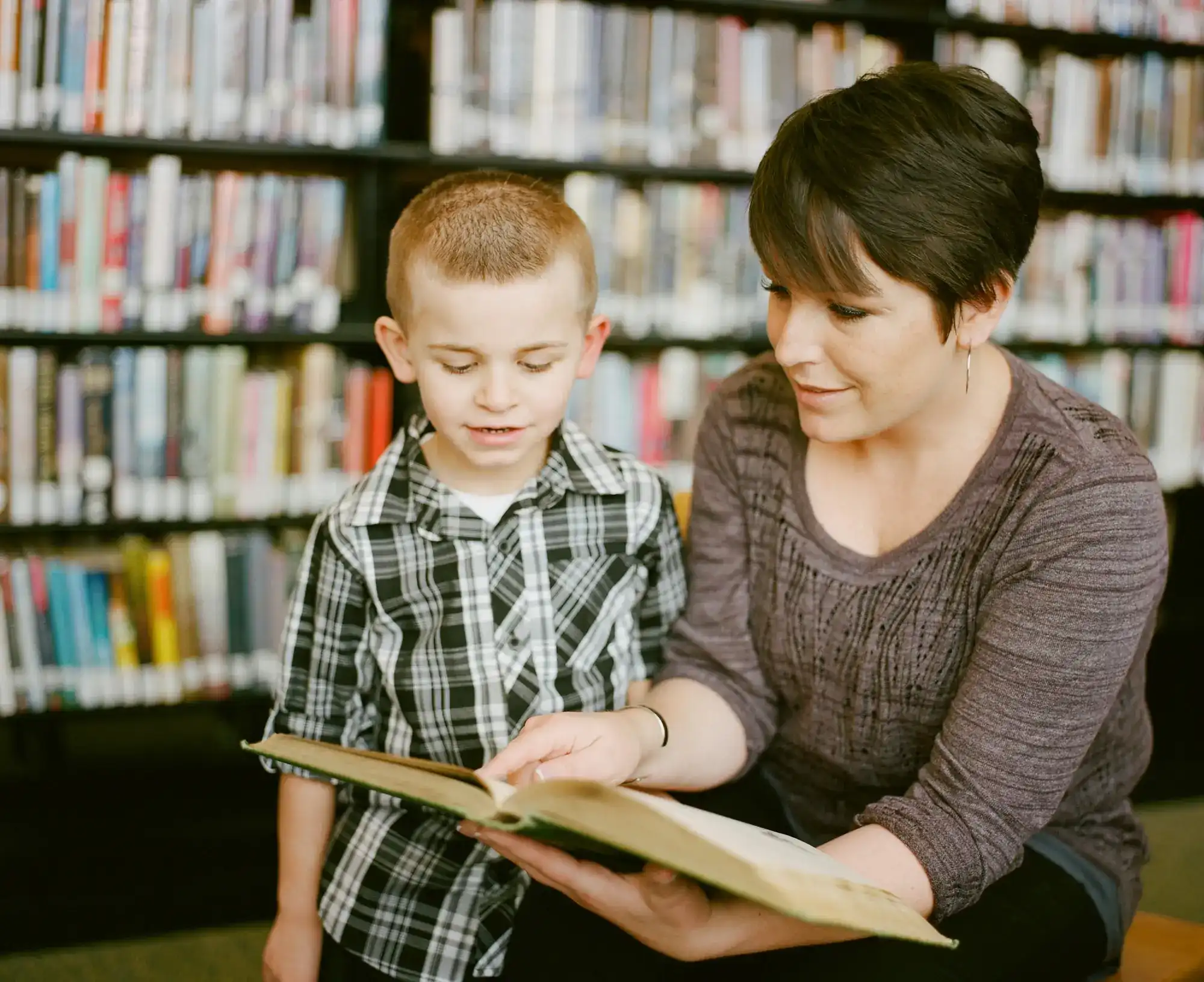
Ages 3 to 6, enrolled children
International kindergarten learning support: English, early reading and inquiry
One-to-one support for life at an international kindergarten, with picture books and play.
This is for children who already attend. Preparing for admission has its own page.
Meet some of our tutors
Three of our tutors who help young children enjoy English and gain confidence in using it.

Faye
English conversation, School English support
An easy, friendly atmosphere in which children enjoy saying their first English words.
View tutor profile →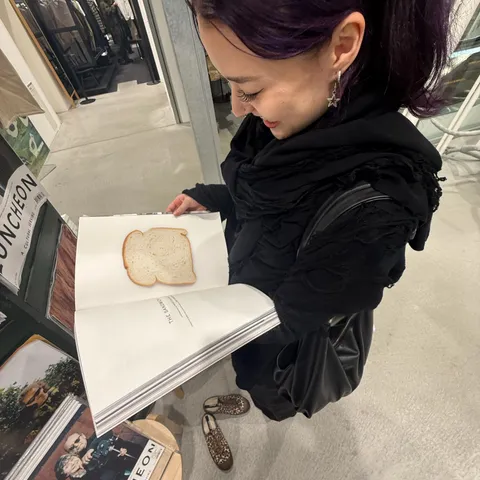
Hannah
Conversation, EIKEN and primary English
Children just starting English, or unsure of it, are welcome. Confidence is built step by step.
View tutor profile →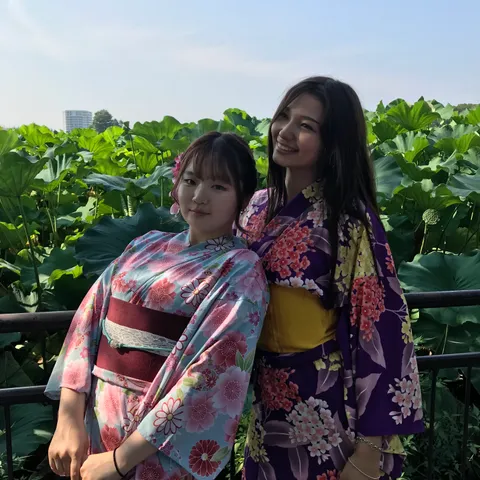
Maya
Conversation & children's English
Grew up in the UK as an English speaker and builds natural communication through enjoyable lessons.
View tutor profile →
These are some of Petra's tutors. We suggest a tutor after hearing about your child's age, where you live and what you hope for, and checking who is free. Availability changes through the year, so do get in touch.
When families get in touch
Once a child has started, questions like these often come up.
English instructions are not fully understood yet
It is hard to see from home how much a child follows of teachers and friends.
Interested in letters and sounds, unsure how to help
A child likes the alphabet and picture books, and parents want to know how to join in.
A chance to put ideas into words
Families would like more time to talk, in a few words or a drawing, about what a child noticed during inquiry at school.
Linking school and home
Families want to understand what is happening at school and find things to do at home without strain.
What lessons cover
None of this is about getting ahead of school. It is about helping a child feel secure in learning there.
| Area | What it covers | Lesson example | What we share with you |
|---|---|---|---|
| Listening and speaking in English | Hearing a teacher's instructions and questions, and answering in short words or sentences | Acting on instructions with movements; answering "What do you see?" about a photograph | Where your child followed, and where they hesitated |
| Sounds and letters | Noticing English sounds and linking them to letters | Finding the same sound in a picture book; choosing the letter that matches a sound | Sounds noticed, and which to cover next |
| Picture books and early reading | Reading a picture book together and saying a little about it | Pointing to a page and asking "Why is the character surprised?" | Responses to the story and growing vocabulary |
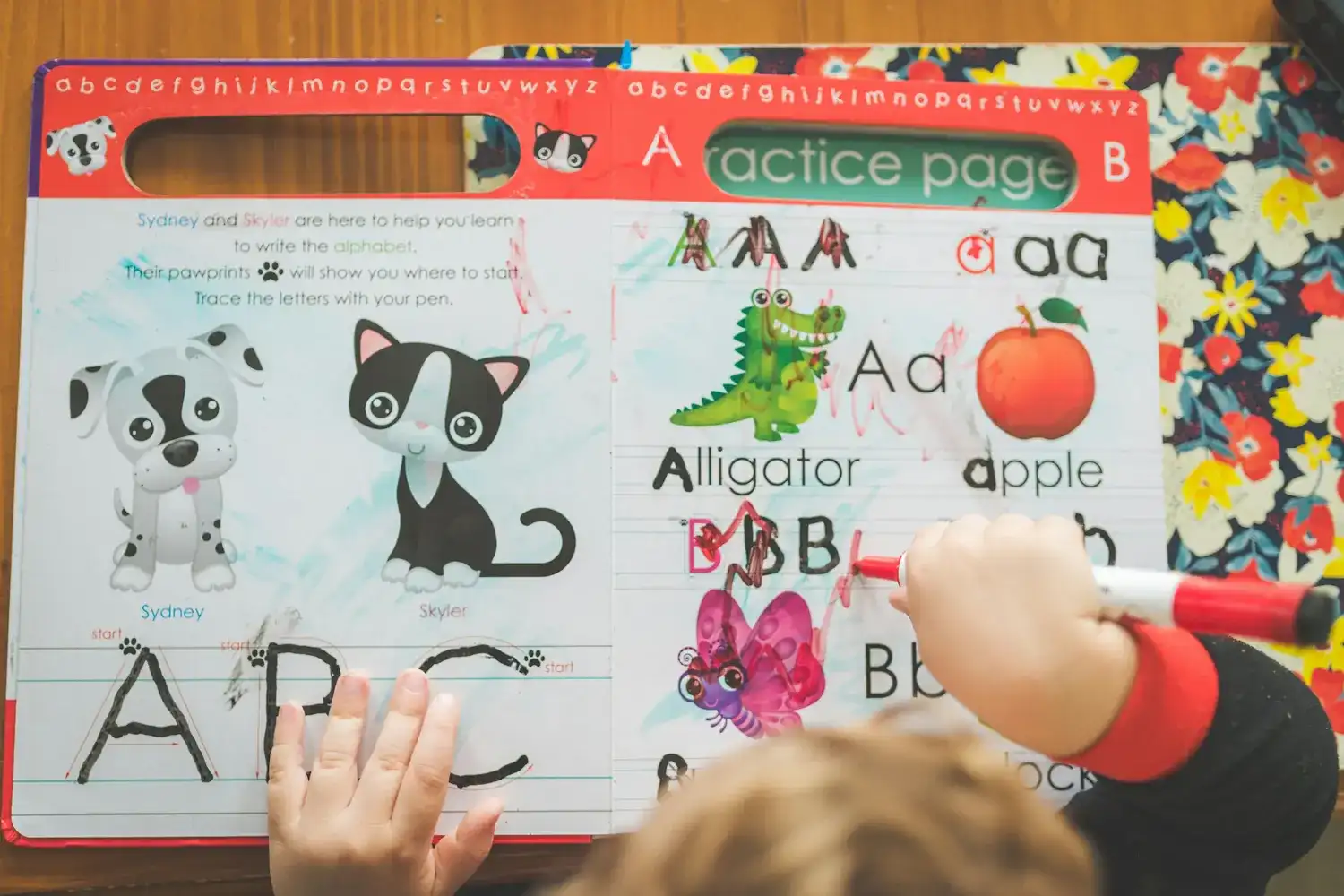
| Early writing | Tracing, drawing and writing short words | Adding one or two words to a drawing | How your child holds a pencil and feels about writing |
| Inquiry through play | Showing what was noticed and wondered, in drawings and words | Looking closely at everyday objects and talking about what was noticed | Questions and words that came up while exploring |
There is no fixed order. We combine areas to suit your child's interests and what is happening at school.
Examples of a one-to-one lesson
In the same session, a picture-book day and an inquiry day differ in the tutor's questions and what we watch for. Use the tabs to switch.
Examples written for this page, not a real child's lesson
A picture-book example
We read one short picture book together. The aim is thinking about the story, not reading it correctly.
- Materials
- A book your child likes, from home or on a theme from school. School handouts that are copyright are not used outside the lesson.
- Tutor's questions
- Pointing to a page: "Why is the character surprised?" "What will happen next?"
- What the child does
- Points, talks about the picture, answers in a few words in Japanese or English.
- What we look for
- Whether your child links the story to expressions and events in the pictures. When words do not come, we welcome pointing and expressions.
- Next lesson
- Words from moments that drew a response go into the next book. If it is hard, go back to a book with more pictures.
An inquiry example
We look closely at everyday objects and show what we notice in a drawing and in words.
- Materials
- Leaves, shells or blocks: large and safe. Nothing hazardous and no small parts.
- Tutor's questions
- "What do you notice?" "Is it the same or different?"
- What the child does
- Touches, compares, draws and says a word or two.
- What we look for
- Whether your child tries to say what they noticed in their own words. Using Japanese and English together is fine.
- Next lesson
- Link whatever sparked interest to the next book or observation.
These show how a lesson might run, not a promise of results. Questions and materials change with your child's responses.
If your child's school is a PYP school
Not every international kindergarten follows the PYP. A school is a PYP school only if it is officially authorised by the IB.
PYP Early Learners
The IB describes PYP Early Learners as ages 3 to 6, with an emphasis on play and inquiry.
What we can do
If your school runs the PYP, we can give your child time at home to put into words what they noticed during inquiry.
What we do not say
We do not claim any connection with or authorisation from the IB, that a tutor is a PYP specialist, or that we replace your school's teaching.
Official sources (checked 10 November 2026; please check the sites for the latest)
How school, home and tutor fit together
A way of working so that no one sees your child's progress in isolation.
Hear about school
You tell us which books and themes the school is using now.
Try it in a lesson
We choose what your child is interested in and do a short activity together.
Share with you
A short note describes what we saw and what comes next.
Adjust next time
We change the content to suit your child and what is happening at school.
Contact with the school is normally yours to make. If you would like to tell the teacher something, you are welcome to pass on our lesson notes.
What sharing progress could look like
These are made-up examples to show how we share. They are not a real child's record.
What we saw (example)
In the book, pointed to the "surprised" face and said in Japanese that the character was startled.
Next practice (example)
Link the feelings in the same scene to "happy" and "sad", matched to drawn faces.
At home (example)
After a bedtime book, ask once: "Which page did you like today?"
These are examples only. The way we share is agreed with you and your child.
What this support is, and is not
Some things worth knowing before you decide.
We do not do homework or submissions
We support your child to do their own tasks. A tutor never completes them.
School materials are handled with care
If you bring school materials, they are used only for your child, and never published or reused elsewhere.
Separate from admissions preparation
Preparing for admission has its own page. This page is for children who already attend.
We check that the tutor fits a young child
Matching depends on your child's age, the languages used at home and at school, and how your child learns best. Before we suggest anyone we check the following.
Experience with ages 3 to 6
We check real experience of working with very young children.
Lessons in English
Whether the tutor can keep English conversation relaxed and read picture books aloud.
Type of school
We ask whether the school follows the PYP or another curriculum, and check whether we can help.
Format
Online or in person. In-person lessons in Tokyo depend on area and tutor.
What we confirm before lessons begin
We start with a short conversation about your child. Then we suggest a tutor and a way of working.
What we ask you
Your child's age, the languages spoken at home and at school, and what you would like help with. To begin, your child's age and a few details are enough.
Suggesting a tutor
We tell you which tutor we suggest and how a lesson would run.
Online or in person
Lessons can be held online. In-person lessons in Tokyo depend on the area and on the tutor's current availability.
Price and free trial lesson
Fees depend on the tutor, the content and the lesson format, and we explain them in the free trial lesson or when you contact us. Our pricing page gives the current overview.
Tell us about your child
and we will go through it with you
Tell us your child's age, the type of school they attend and the languages used at home, as far as you know. We will explain what is possible and whether a suitable tutor is available.
Questions about international kindergarten learning support
These are questions families often ask before they get in touch.
Can we have lessons if the school does not follow the PYP?
Yes. Whether or not the school is a PYP school, lessons focus on English listening and speaking, picture books, early reading and writing, and inquiry.
How do you handle tasks from school?
We do not write the answers. We help your child take on the task themselves, and we can think about how to approach it.
Can lessons use Japanese too?
We follow your home languages. Whether a tutor can work in Japanese and English is confirmed once we know who is available.
What age is this for?
Roughly 3 to 6. Age matters less than whether your child enjoys a short activity with a tutor, so please talk to us first.
Will you contact my child's teacher?
Contact with the school is normally yours. If you want to tell the teacher something, you are welcome to pass on our lesson notes.
Can lessons be online?
Yes. Screen time is kept short and we use picture books and everyday objects together.