
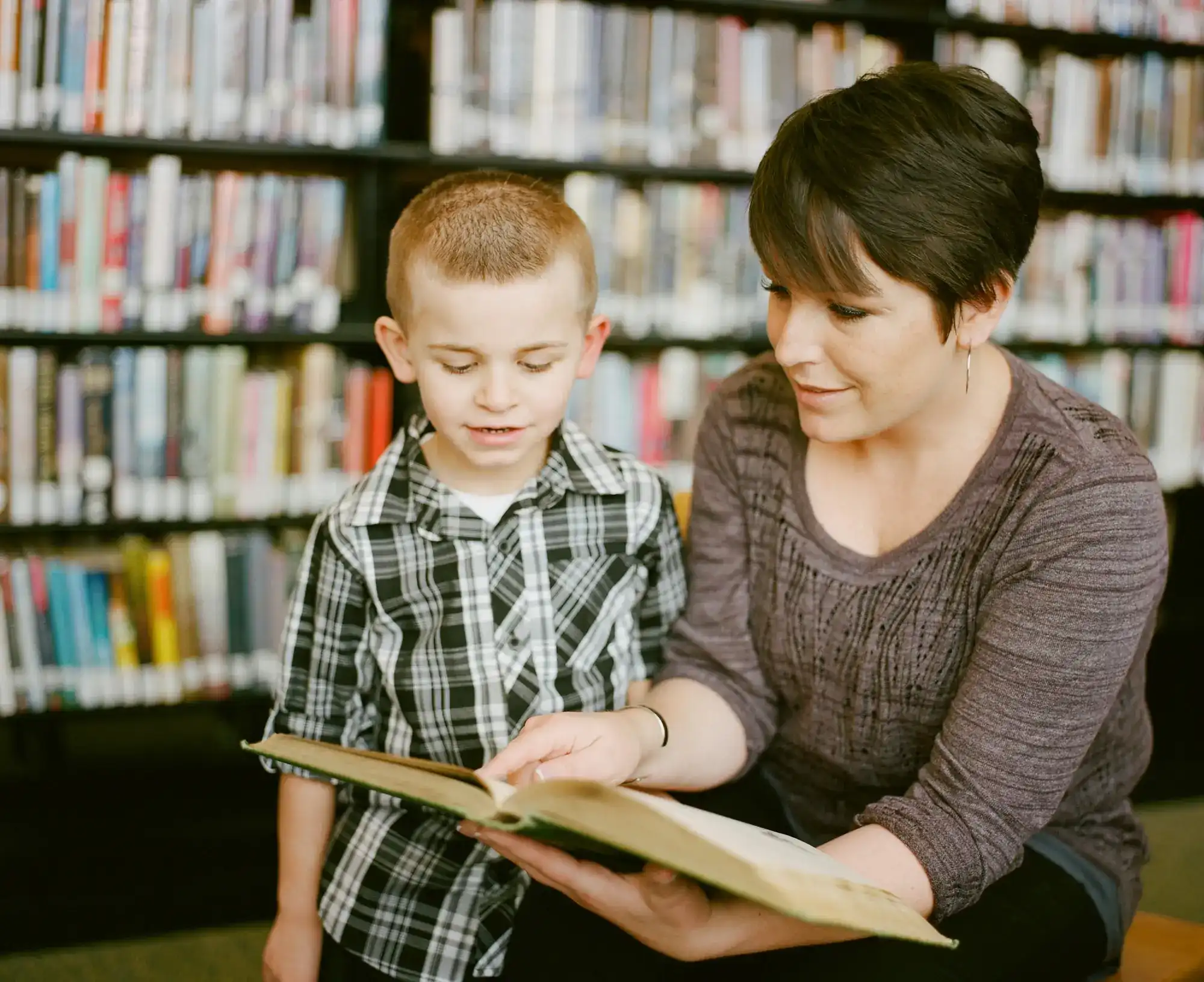
Ages about 5 to 9 · Phonics and early reading
From English letter sounds to reading real words
Phonics teaches how English letters stand for sounds, and how to blend those sounds into a word. Children who read hiragana and katakana already know that symbols stand for sounds. We build on that, slowly, one sound at a time, until reading in English feels like a skill your child owns.
We check a tutor's fit with early reading before suggesting anyone, and promise no specific credential.
When reading English is not clicking yet
Many children know plenty of English words and still find it hard to read them. These patterns come up often.
Guessing from the picture
A child looks at the picture and says a word that fits, rather than reading the letters.
Letter names, not letter sounds
Your child can sing the alphabet but does not yet know the sound that each letter makes inside a word.
Sounding out works, blending does not
Each sound is said correctly, but the sounds do not join into a word.
A Japanese-sounding reading of English words
Japanese syllables usually end in a vowel, so 'cat' may come out like 'cato'. Learning to stop on the final sound is part of the work.
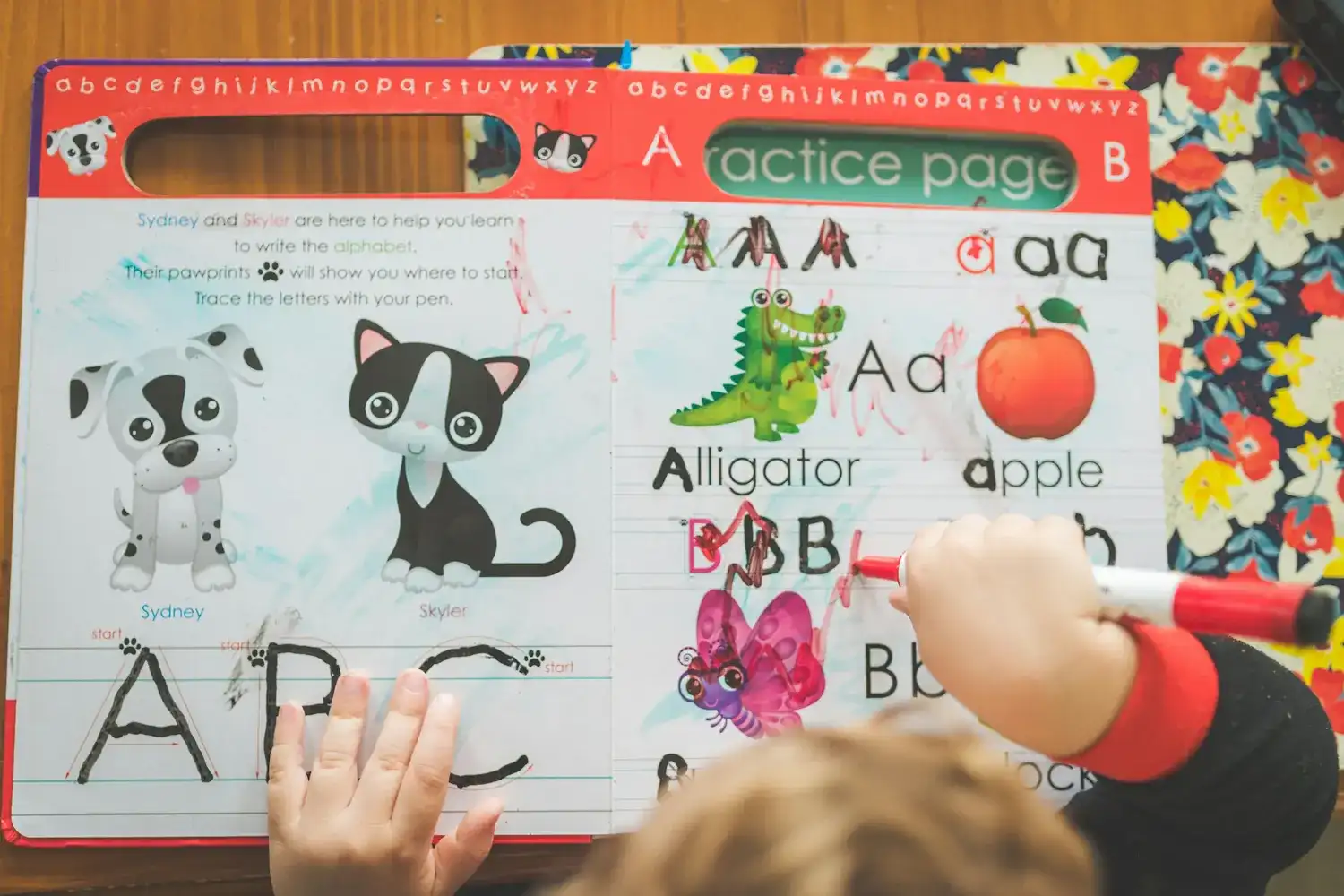
English sounds that are new for many Japanese speakers
An original summary of sounds we often practise slowly. Each child is different, and a tutor listens before deciding what to teach.
| English sound | Example words | Why it needs practice |
|---|---|---|
| r and l | red, light | Japanese has one sound between the two, so children need to hear and say the difference |
| th | this, thin | Japanese has no matching sound, and the tongue position is new |
| short a | cat, mat | It is not quite the Japanese ア or エ, and words often end on a consonant |
| final consonants | sit, bag, hot | Japanese syllables usually end in a vowel, so the last sound can pick up an extra vowel |
Written for this page as an example of what a phonics lesson may notice. Real lessons follow what your child needs, at your child's pace.
Get to know Petra Tutors tutors
These are tutors who teach with Petra Tutors. Being shown here does not mean a tutor is currently available for this service. We suggest a tutor only after checking your goals, your child's age and the schedule.
Sophia University · Faculty of Liberal Arts
Conversation, EIKEN and primary English
Hannah's gentle, approachable manner helps children who find English difficult become more comfortable step by step.
Sophia University · SPSF
IB English, economics & IELTS/TOEFL/SAT
Tina focuses on the IB, English examinations and essay writing, identifying what to strengthen even when the available preparation time is limited.

Keio University · PEARL
English, beginners, primary to high school
Using journal writing, grammar and pronunciation practice, Dayun helps children who find English difficult express themselves more clearly over time.
A short lesson, in four parts
Young children learn best in short, varied bursts.
Warm up with known sounds
A quick review of the sounds your child already knows.
Learn one new sound
Say it, see it, write it and find it in a word.
Blend and read
Sound out and blend a few simple words, then a short sentence.
End with a small success
Finish on something your child can already do.
What this is, and what it is not
Plain information before you decide.
It is not conversation practice
Our children's English conversation page is about speaking. This page is about reading words.
It is not the very first English
If your child is brand new to English, our beginner page may be the better start.
It is not reading comprehension
Understanding a story and answering questions comes after decoding, and is covered on our reading and early writing page.
No credential or result is promised
We check each tutor's experience with early reading before suggesting them, and promise no reading level or date.
We check that the tutor fits the task
Matching depends on your child's age, the subject and how your child learns best. Before we suggest anyone we check the following.
Experience with early readers
Whether a tutor is comfortable with children learning to read, at your child's age.
Patience and pace
Whether the tutor suits a short attention span.
Format
Online, or in person in Tokyo depending on the area and the tutor's availability.
Schedule
Short sessions at a time of day when your child is alert.
What we confirm before lessons begin
We start with a short conversation about your child and what is hard at the moment. Then we suggest a tutor and a way of working. Nothing on this page is a promise of availability.
What we ask you
Your child's age and school year, the school or curriculum, and the moment that feels hardest. We do not need your child's schoolwork or sensitive personal details to begin.
Suggesting a tutor
If a suitable tutor is available we tell you who we suggest and how lessons would run. If none is, we say so.
Online or in person
Lessons can be held online. In-person lessons in Tokyo depend on the area and on the tutor's current availability.
Price and free trial lesson
Fees depend on the tutor, the content and the lesson format, and we explain them in the free trial lesson or when you contact us. Our pricing page gives the current overview.
Tell us about your child
and we will go through it with you
Tell us your child's age, how they read hiragana and katakana, and what English they have met so far. We will explain what is possible and whether a suitable tutor is available.
Questions about English phonics and early reading
These are questions families often ask before they get in touch.
Can my child start if they have not learned the alphabet?
Often yes, but the right starting point depends on the child. If your child is brand new to English, our beginner page may suit better, and we will tell you honestly after hearing about your child.
How is phonics different from learning English words?
Phonics is about how letters make sounds and how sounds join into words, so a child can read a word they have never seen. It is a different skill from knowing what a word means.
Does my child's Japanese reading help or get in the way?
Both can happen. Knowing that symbols stand for sounds helps, while Japanese syllable habits can colour how English words are said. A tutor listens and adjusts.
How long should a lesson be?
Young children usually do best with short, focused sessions. We discuss length and frequency when you get in touch.
Are lessons online or in person?
Lessons can be held online. In-person lessons in Tokyo depend on the area and the tutor's current availability.