
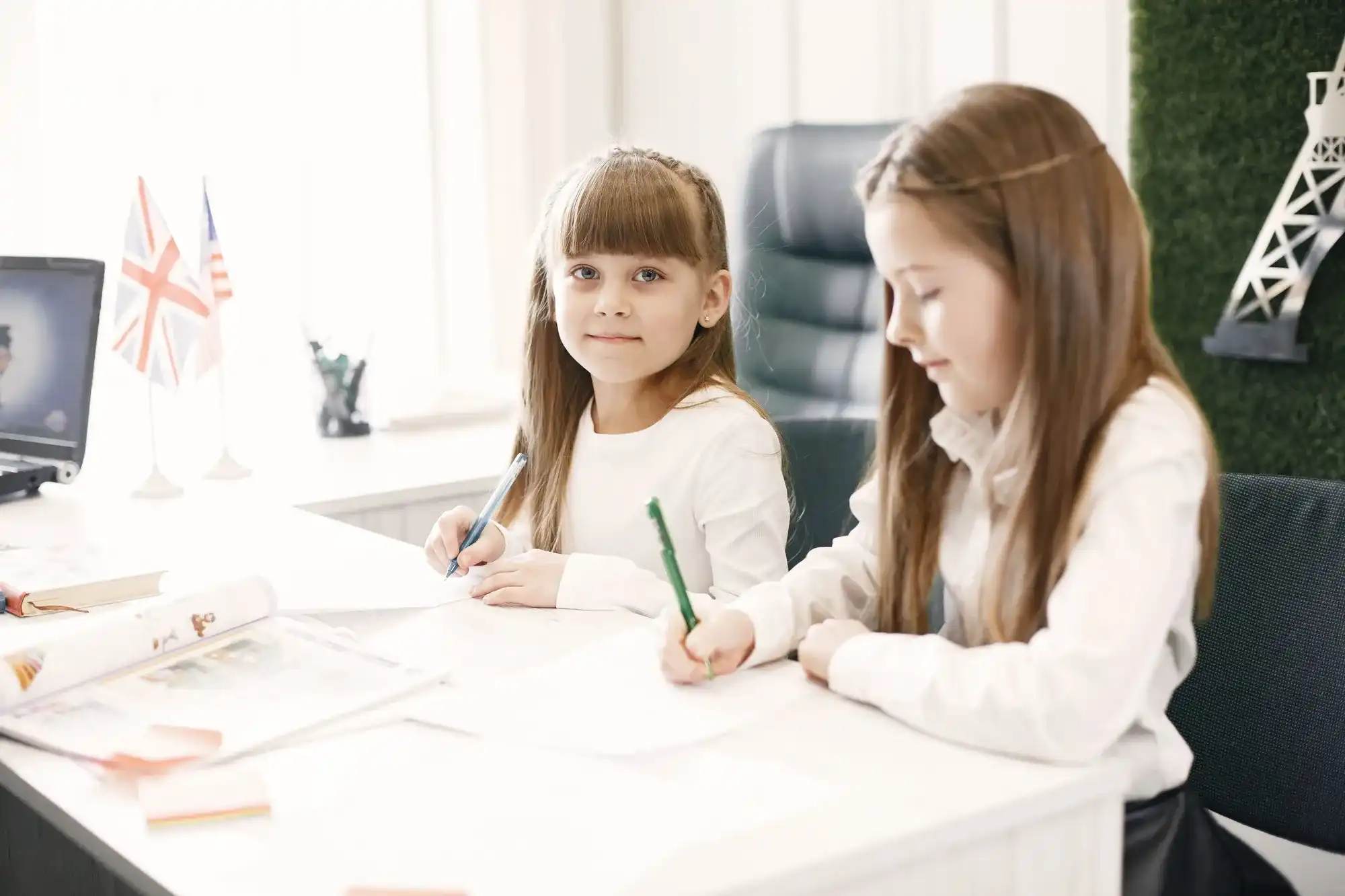
Question and observation
Question: 'Where do we use water at home?' Observation: walk round the house and draw the kitchen, toilet, bath and washing machine, with notes.
Netherlands · Early PYP · Inquiry learning
Around Amstelveen and Amsterdam there are international schools that use inquiry-based programmes such as the IB PYP, where each school designs its own units of inquiry. At home the hard part is knowing where to help. We support your child to ask their own question, observe, organise what they find and give a short presentation in English, in their own words.
We ask about your child's school and current unit. Whether a suitable tutor is available is confirmed after we read your enquiry; we do not claim PYP specialism or certification, and matching depends on availability.
Inquiry is not learning answers by heart, and parents often are not sure how to take part.
The unit is set, but turning it into the child's own question is where work stops.
Information is collected, but choosing and ordering what matters is hard.
When English is not the home language, even a short presentation takes time to shape.
If a parent gives the answer, it is no longer the child's inquiry.
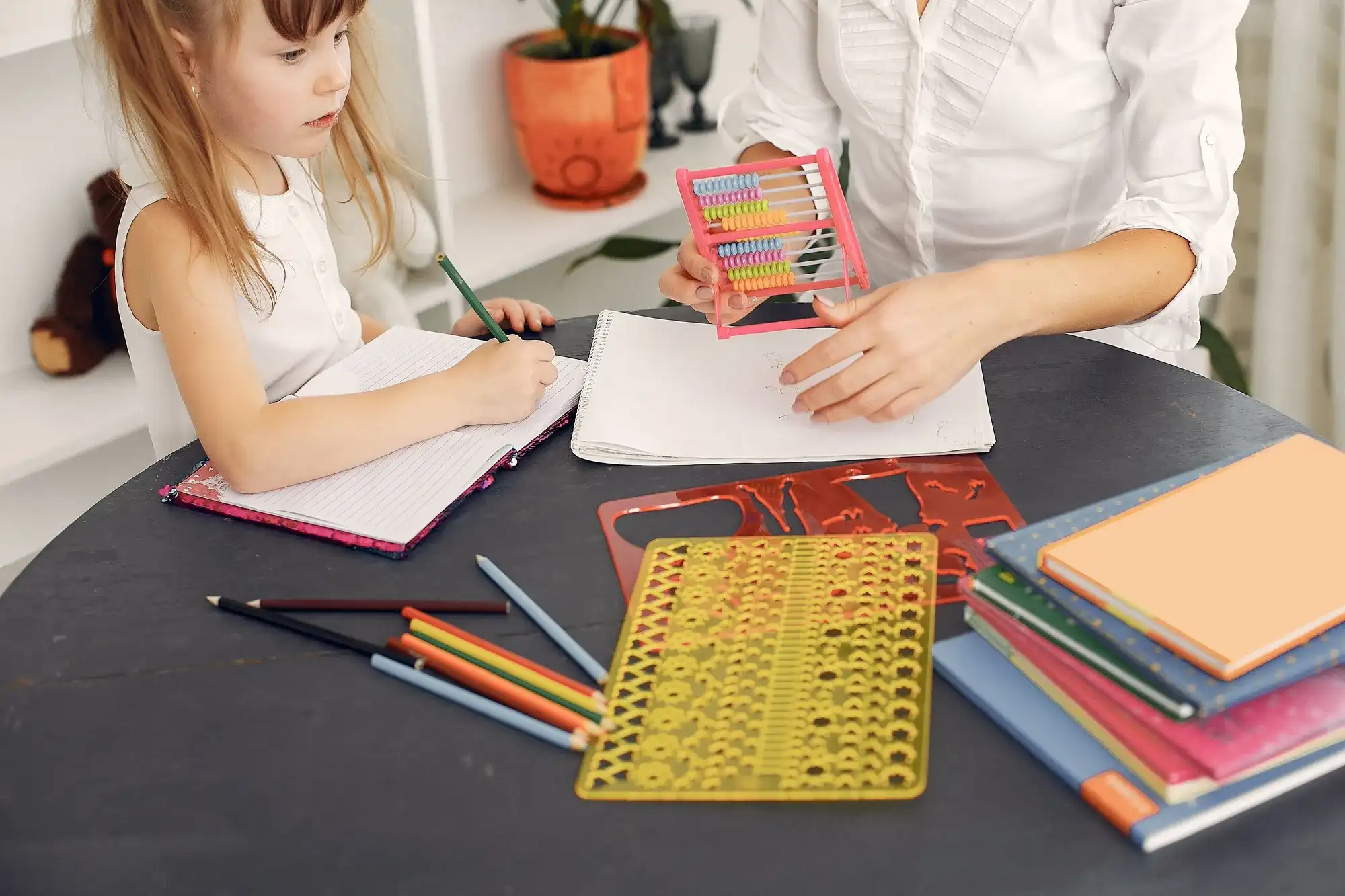
One theme followed through question, observation, evidence, presentation and reflection.
Inquiry written for this page (not a real pupil's record or a school task)
Central question: How do we use water in our community?
Question and observation
Question: 'Where do we use water at home?' Observation: walk round the house and draw the kitchen, toilet, bath and washing machine, with notes.
Evidence to presentation
Evidence: a table of the places counted and what family members said. Talk: 'My family uses water in four places,' with one drawing held up. Reflection: 'Next I want to find out how to save water.'
Turning a theme into 'what I want to know' is the first step of inquiry.
'What I saw' and 'what I heard' give the talk its order.
What worked, and what to try next, in a few words.
PYP practice and terms differ by school. This is one example and not an IB document.
Inquiry is not a flash of inspiration. It is small steps that add up, kept in a notebook your child fills in.

Write down what you saw and heard, in a drawing or a few words.
Change “why?” into “how could we find out?”.
Books, asking a person, observing. The aim is to hold at least two sources.
Build a short talk with a frame: First, Next, Finally.
One line on what worked and one on what to change next time.
The tutor does not write in it. It fills up with your child's own words and drawings.
Units of inquiry differ from school to school, so we ask about the current unit and support that.
When the words will not come in English, we build a short sentence frame together.
The PYP also stresses Approaches to Learning. Here they are in everyday words.
| Skill | What the child does | What we often see | How support responds |
|---|---|---|---|
| Thinking | Turns curiosity into a question | Stops at 'why?' | Asks back 'how could we find out?' |
| Research | Gathers from books, people, observation | Stops at one source | Encourages a second source |
| Communication | Explains findings in order | Words do not come | Builds a short frame together: First, Next, Finally |
| Self-management and reflection | Says what worked and what next | Stops at 'it was fun' | Asks 'what would you change?' |
We help your child find things out. We do not hand over answers.
We follow your child's current unit of inquiry.
What the school is exploring now, and what the teacher asked for.
Turn what they want to know into a question.
Pull findings into a drawing, table or short sentences.
Practise a talk of about 30 seconds and choose a next step.
Most stalled inquiries have a question that is too big. Splitting it into three small questions shows the order of research.
Once “what is needed?” is clear, it becomes the marker for observing “how do they change?”.
The three questions turn straight into three headings for the presentation.
When a small question is answered, that is a stopping point. This guards against going on until it is muddled.
The question and the example are made up for this explanation and are not a school unit or task.
A made-up example to show the format. It is not a real child's record.
Observes the house carefully and records it with drawings and notes.
Takes a while to find the first sentence of the talk.
At dinner ask just one thing: 'what did you find out today?'.
Illustrative only. The real format is agreed with each family.
Choose the one closest to your child's year and the kind of support needed.
Younger pupils who are unsure about questions, research or short talks in inquiry-led lessons.
If you want to talk about MYP or DP as well, see our IB support page.
If you want support that follows your school's curriculum rather than just inquiry, the international school page is closer.
If the difficulty starts with reading what homework asks, see our international primary homework help.
Plain information before you decide.
Researching, organising and presenting is done by the child. We never produce a finished piece for submission.
Petra Tutors is not an IB-authorised body and has no partnership with any school. School tasks follow the school's instructions.
Schools and children differ, so we promise no particular outcome.
The right tutor depends on whether your child attends a Dutch or an international school, the language of instruction and the language used at home. Before we suggest anyone we check the following.
Whether a tutor can work with what the school is exploring.
How much English your child uses, and how much support in another language helps.
Online, or in person where the area and tutor allow.
Times that suit school and your child's energy.
We start with a short conversation about your child, their school and what is hard at the moment. Then we suggest a tutor and a way of working. Nothing on this page is a promise of availability.
Your child's age and school year (for example the groep), the school and its language of instruction, and the languages used at home. We do not need schoolwork or sensitive personal details to begin.
If a suitable tutor is available we tell you who we suggest and how lessons would run. If no one is free, we say so plainly.
Lessons can be online across the Netherlands. In-person lessons are offered mainly in Amstelveen and Amsterdam, depending on tutor availability.
Fees depend on the tutor, the content and the lesson format, and are given in euros. We explain them in the free trial lesson or when you contact us. Our pricing page gives the current overview.
Tell us your child's age, school and the inquiry theme they are working on. We will explain what is possible online or, in Amstelveen and Amsterdam, in person, and whether a suitable tutor is available.
These are questions families in the Netherlands often ask before they get in touch.
How inquiry is organised, and the words used, differ by school. We ask about your child's unit and tell you honestly whether a suitable tutor is available. We have no partnership with any school.
No. We support asking questions and organising ideas, but your child writes the work.
It depends on your child's school and theme. We check whether a suitable tutor is available and tell you honestly before suggesting anyone.
No. Forming the question, researching, organising and presenting are done by your child.
The inquiry habits help elsewhere, but for non-PYP schoolwork please see our international primary homework page.
We ask how your child uses English now and add support in another language where it helps.
Only what you are comfortable sharing. We do not need confidential school documents or detailed personal data.
No. We support how to form a question, how to find out and how to organise it. What is handed in is made in your child's own words.
A child at any school with inquiry-led lessons is welcome to ask. Terms and routines differ, so we start by asking how inquiry runs at your school.
When the English will not come, we build short sentence frames together. We keep an eye on thinking about the content and expressing it in English as two separate things.