

English tutoring for
primary-age students
Phonics, vocabulary and simple conversation, taught step by step at a pace that suits the student.
For primary-age students, complete beginners and students who find English difficult
Concerns we can help with
Whether the student is new to English, falling behind at school or lacking confidence in reading, writing or speaking, we start from their current level.
English feels difficult
We take time to make each point clear, building familiarity gradually through simple sounds, words and phrases.
Falling behind in school English
We review the vocabulary and grammar covered in class and revisit anything that has not yet clicked.
Too shy to speak English aloud
We start with short conversations and reading aloud, in a supportive setting where mistakes are expected.
Meet some of our English tutors
Real Petra tutor portraits and profiles. We check age, language and Netherlands availability before suggesting a match.

Nikko
Conversation, EIKEN, IELTS/TOEFL & school English
English and Japanese teaching experience including younger children; Netherlands availability unconfirmed.
Matched after your enquiry
View tutor profile
Faye
English conversation, School English support
Conversation-based English teaching; teaching format checked individually.
Matched after your enquiry
View tutor profile
Adel
English conversation, School English support for primary and junior high learners
English and French language background; age fit and availability are checked.
Matched after your enquiry
View tutor profile
Showing a tutor here does not mean they are available for in-person lessons in the Netherlands. We check age fit, location, language and schedule before suggesting anyone.
Building English foundations
step by step.
We begin with sounds, words, sentences and conversation before moving on to more difficult exercises.
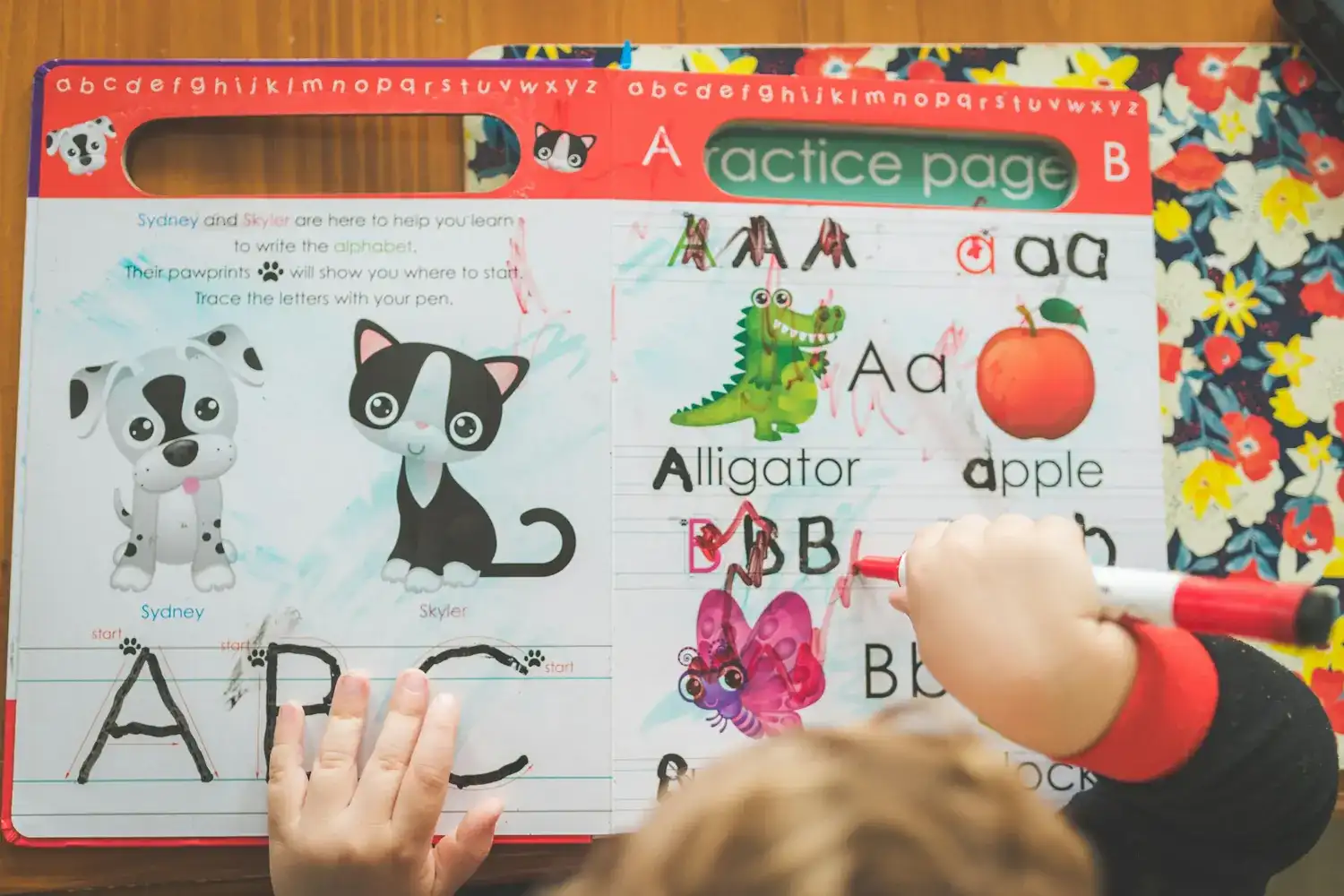
Phonics
We work on the link between English sounds and letters, laying the foundation for reading and pronunciation.
Vocabulary and phrases
We practise everyday words and common phrases in context, including both their meaning and how to use them.
Simple grammar
We explain the foundations of school English clearly, including the verb 'to be', other common verbs and questions.
English conversation
We begin with short exchanges, such as greetings, introductions and talking about things they like.
School English support
We follow the school textbook and homework, going over anything unclear together.
The skills we build in early English
We develop reading, listening, speaking and writing gradually, based on the student's age and experience of English.
Understanding
- Listening
- Reading
Expressing
- Speaking
- Writing
- Conversation
Foundations
- Phonics
- Vocabulary
Also supported
- School English
- Confidence
Listening
Becoming familiar with the sounds of English and recognising a wider range of words and phrases.
Speaking
Starting with short answers and introductions, then gradually becoming more comfortable speaking aloud.
Phonics
Working on how letters and sounds connect, to build the foundation for reading.
Vocabulary
Learning everyday words together: what they mean and how to use them.
Reading
Reading short passages and school texts, with practice in understanding their meaning.
Writing
Starting with individual words and short sentences, then gradually expanding what the student can express.
Support with school English, conversation and confidence can also be discussed, depending on the student's needs.
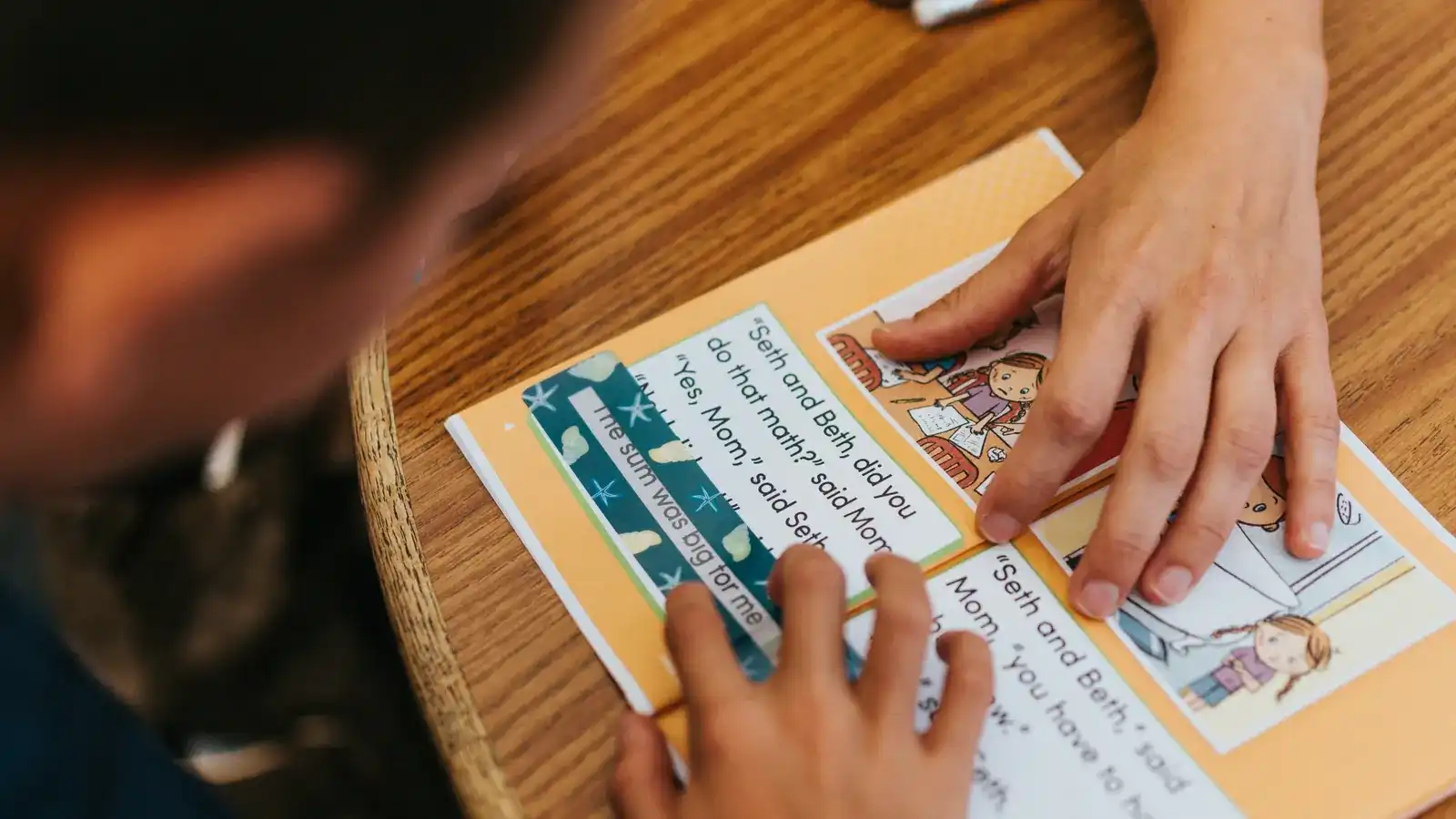
We start from the student's current level.
We first look at their experience of English and what they find difficult, then choose content at a manageable level.
Understand their starting point
Their experience of English, what school covers, what they enjoy, and what they find hard.
Choose a manageable starting point
We choose what is most useful now from phonics, vocabulary, conversation and school English.
Build confidence through small steps
Each step in reading, speaking and understanding builds confidence in English.
How does English learning change between ages 3 and 6?
Young children's English does not follow school grades with fixed steps. The table below shows one way lessons often run. Children move back and forth depending on their mood and interests.
| Age | Main activity | Lesson example | What we look for |
|---|---|---|---|
| Ages 3 to 4 | Sounds, words, songs and play-based exchanges | Moving to a song. Copying a word from a picture card | Enjoying English sounds. Reacting with a word |
| Ages 4 to 5 | Classroom activities, short exchanges, telling sounds apart | Acting on "Show me the red one." Finding things that begin with the same sound | Understanding an instruction and acting. Noticing sounds |
| Ages 5 to 6 | Simple conversation, linking sounds to letters, first reading and writing | Answering "What do you like?" in a few words. Choosing a letter after hearing its sound | Trying a short sentence. Starting to link letters to sounds |
Ages are a guide. Some three-year-olds are curious about letters, and some six-year-olds start with sounds.
Lesson examples
Younger: picture cards and movement
Show a fruit card, say "Apple" and pretend to eat. When your child copies the movement, say the word together.
Older: a short conversation
Pick a favourite animal card and model "I like cats." If your child manages to say one thing they like, that is enough.
Beginner English:
common questions
Common questions about students who are new to English or find it difficult.
Is it okay if the student has never studied English?
Yes. We can begin with manageable material such as phonics, vocabulary and short conversations.
Can the student make progress if they find English difficult?
We check which areas are unclear and work at a pace suited to the student.
Can you help with school English and homework?
Yes. We can use the school textbook and homework and review anything that remains unclear.
Start English
at a manageable pace.
We will ask about the student's experience of English, what they find difficult and how school is going, then suggest a manageable way to begin.
For primary-age students, complete beginners and students who find English difficult