


Ages 3 to 6 · Japanese and English

Japanese-English Bilingual Learning for Children Aged 3 to 6

One-to-one lessons that keep Japanese strong while building confidence in English, using picture books and play.

Tutors for Japanese and English Learning

Petra is welcoming new students in the Netherlands. For classroom and home lessons, these are the three tutors we introduce first.

  • Riku

    Riku

    English for young children, primary pupils and adults; IELTS and TOEFL

    Open to enquiries in the Netherlands

    Co-founder of Petra. Friendly and patient with beginners, from kindergarten children and primary pupils to adults.

    View tutor profile →
  • Yutaka

    Yutaka

    History, economics, secondary study, IELTS, TOEFL and music

    Open to enquiries in the Netherlands

    Co-founder of Petra. Supports secondary students, IELTS and TOEFL, economics and music.

    View tutor profile →
  • Leon

    Leon

    Maths, Geography & GCSE/A-Level

    Open to enquiries in the Netherlands

    Grew up in Tokyo, with English as a first language and advanced Japanese, so can work in both. The published profile centres on maths, geography and GCSE/A-Level teaching.

    View tutor profile →

We settle the tutor, format and times together with you after hearing about your child's age and what you hope for, so please get in touch whenever you are ready.

What families ask us

Questions we hear from families raising children with two languages.

  • Japanese is getting less use

    School and activities take place in other languages, and Japanese time shrinks.

  • I want my child to feel confident speaking English

    Some children understand English but hesitate to speak. A safe place to practise can help.

  • The languages mix in one sentence

    Many parents wonder whether this is a problem. See the section below for how we think about it.

  • I am not sure how to balance them

    Which language when, and for what: families often want to talk this through.

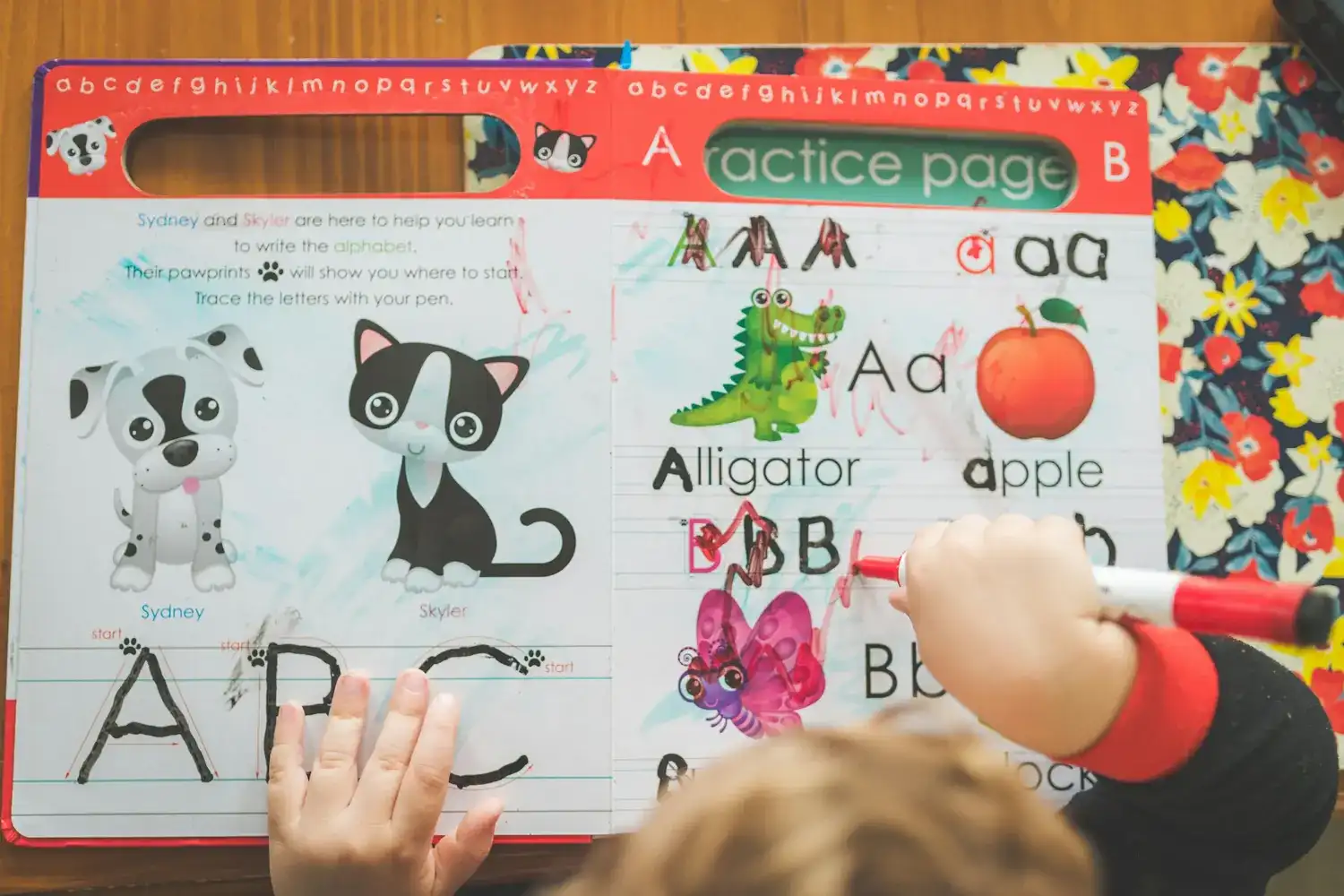
A young child's hand tracing letters on an alphabet practice board with a red marker, seen from above, no face visible

A family's language map (example)

Children meet languages in different places. At the first conversation we sketch a map like this to decide where lessons can help.

Example family language map: situation, language used, what a lesson can consider
SituationLanguage used (example)What a lesson can consider
At home with parentsMostly JapaneseHow to enrich vocabulary and storytelling in Japanese
At home with siblingsJapanese and English mixedChances to choose a language by situation, even when they mix
School or nurseryEnglish or DutchOpportunities to talk about school in Japanese too
Books and videosBoth Japanese and EnglishTelling the same story in two languages

This is an example written for this page. It is not a real family's record.

A picture-book activity in two languages

One picture book, enjoyed in Japanese and in English. Switch tabs to see the steps.

An example written for this page (not a real child's session)

Read in Japanese

Start with a short book your child already likes, read in Japanese.

Materials
One short Japanese picture book your child likes. A book from home is fine.
How it runs
Read while pointing to the pictures. Leave time to say how a character feels.
Tutor's questions
"What did you like?" "What do you think happens next?" (asked in Japanese)
What we look for
Does your child try to say a feeling or a reason in Japanese? A point at the picture counts too.

Talk in English

Talk about the same scenes in short English.

Materials
The same pages. No English edition is needed: the tutor describes the pictures in short sentences.
How it runs
"Look, the bear is happy." Your child may copy, point, or answer in Japanese.
Tutor's questions
"What is he doing?" "Is he happy or sad?"
What we look for
Does your child connect what they know in Japanese with the English word? Mixing is fine: the wish to communicate matters.

Link the two

Put words from both languages side by side.

How it runs
Place picture cards for "kuma" and "bear", "ureshii" and "happy" together. Either word is welcome.
Tutor's questions
"How do you say this in English?" "How do you say this in Japanese?"
What we look for
Does your child treat the two words as names for the same thing?
Next time
Use the scene your child liked to build the next book activity.

Which book, and how much of each language, depends on your family's wishes and your child. These examples are not a promise of results.
How the approach changes with age

Ages are a guide. We adjust to your child, not to a school year.

Japanese and English learning at ages 3 to 4 and 5 to 6: activities, Japanese, English
About 3 to 4About 5 to 6
Main activitiesSongs, finger play, read-aloudRetelling, pretend play, short conversations
JapaneseGrowing everyday words; naming feelingsTelling a story in order; first steps into hiragana
EnglishListening and acting; copying wordsShort sentences; noticing letter sounds

We do not measure either language as pass or fail. We widen the situations in which each can be used.

When the languages mix

Using Japanese and English within one sentence is common in children who use two languages.

  • Mixing is not a fault

    The child is using the word they have to get a message across. We accept it as it is.

  • A gentle model

    The tutor repeats what the child said in the other language. We do not correct or ask them to start over.

  • Choosing by situation

    We loosely set times for Japanese and for English so the child can choose between them.

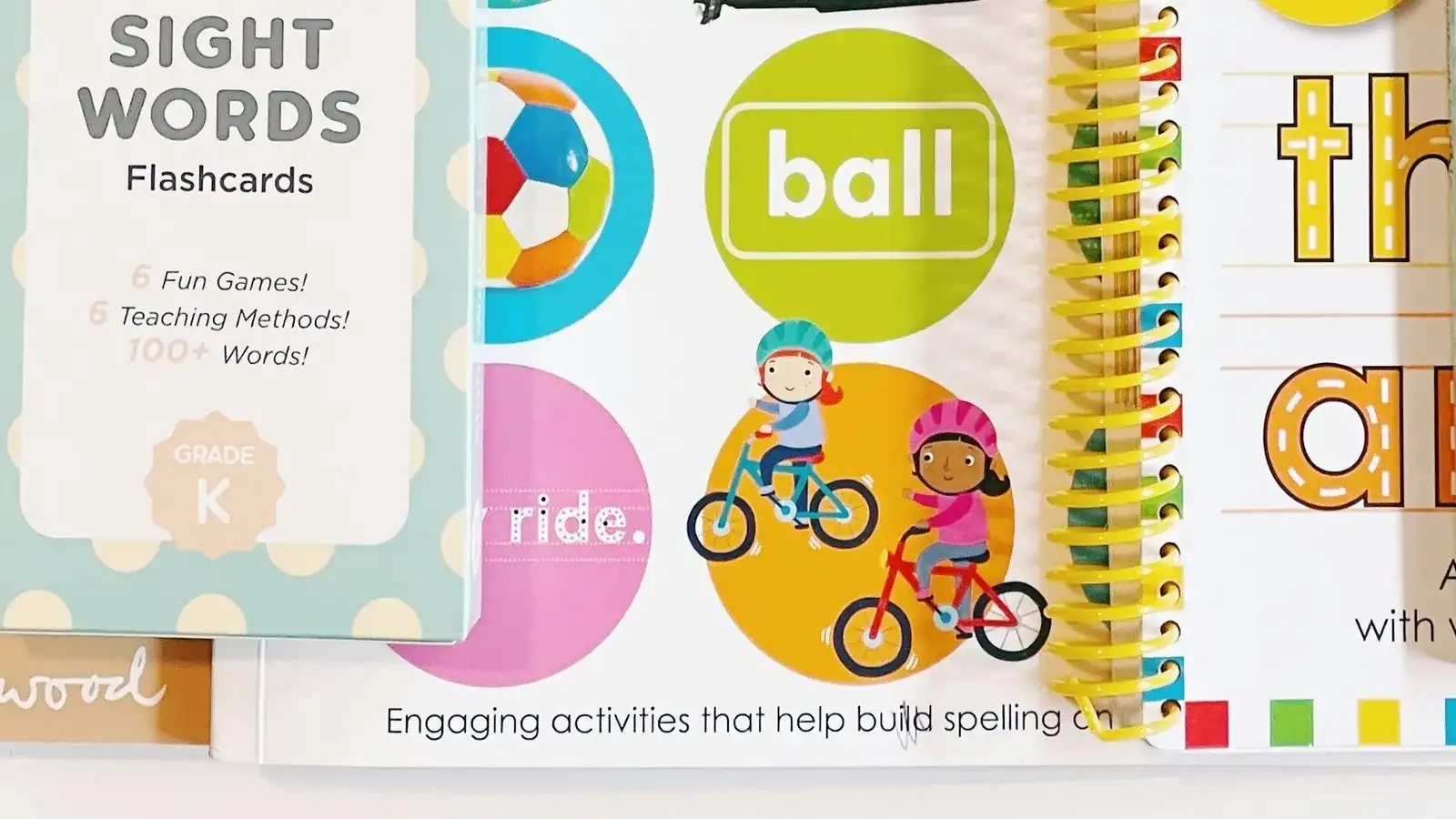
English sight-word flashcards and a spiral spelling workbook with cartoon illustrations

Language life for families in the Netherlands

This page serves families in Japan and in the Netherlands. This section describes the Netherlands.

  • Less Japanese in the day

    School and the neighbourhood use English or Dutch, so keeping Japanese time deliberately is a common concern.

  • Japanese and English

    Lessons focus on Japanese and English. Dutch comes naturally from school and the neighbourhood.

  • Priorities are the family's

    Plans to return to Japan, life here and the child's wishes all matter. We start by listening.

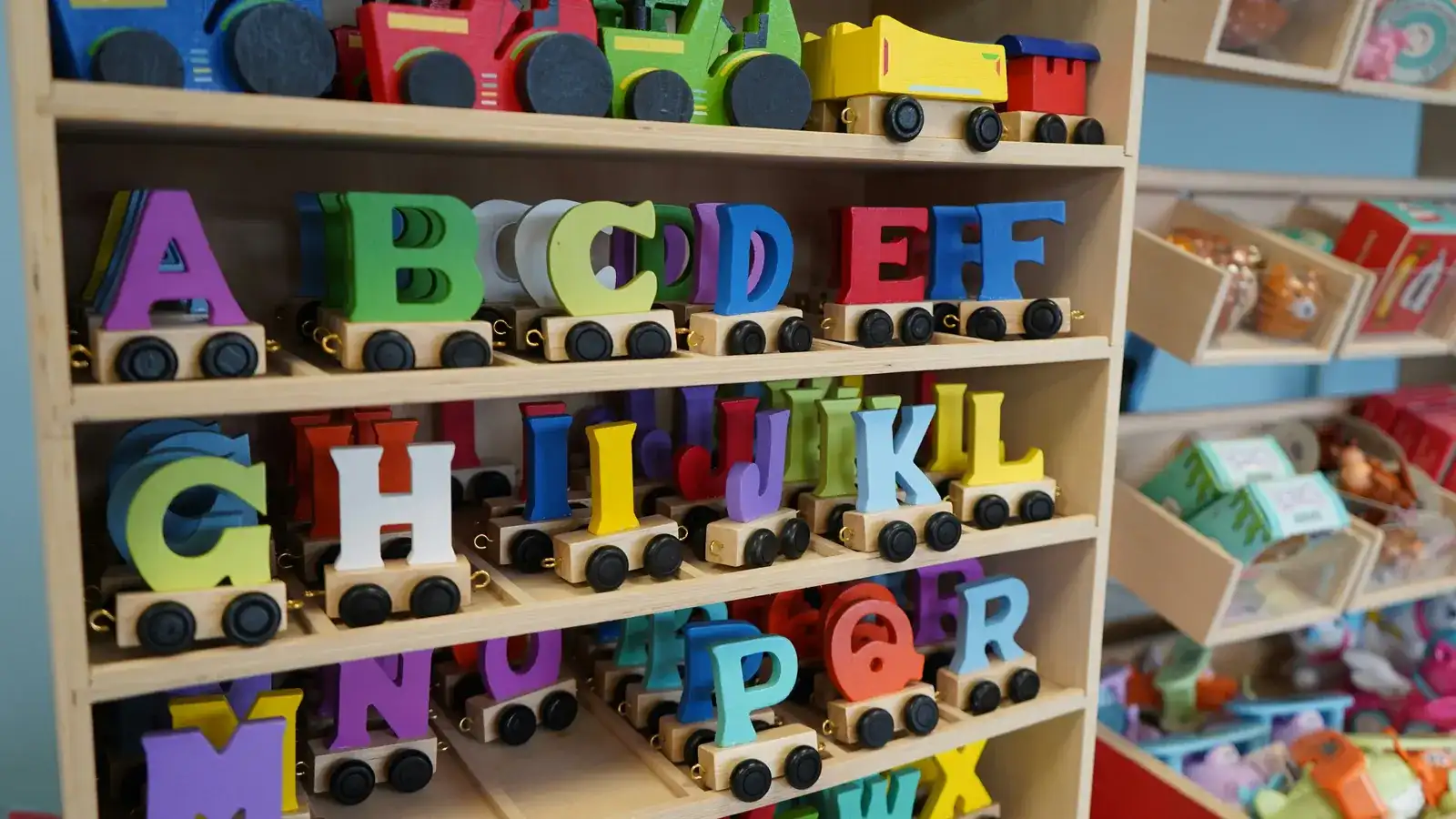
Wooden toy trains shaped as capital letters A to Z on a shelf

What a learning note could look like

This is a made-up example to show how we share. It is not a real child's record.

  • In Japanese (example)

    Said the bear felt "sabishikatta" (lonely) in his own words.

  • In English (example)

    Copied "The bear is sad." and chose "happy" and "sad" correctly from pictures.

  • Next step (example)

    Tell the same scene once in each language. At bedtime, pick one page and talk about it in whichever language feels right.

Notes are in English or Japanese. They are a guide to the next lesson, not an assessment.

Colourful magnetic letters, numbers and symbols scattered over a pink and blue background

How lessons approach it

Things worth knowing before you decide.

  • Each family's own pace

    How far each language goes depends on the child and the family's situation, so we follow your family's pace.

  • Widening where two languages are used

    These lessons widen the situations in which a child can use two languages.

  • A tutor's languages are checked first

    We confirm what each tutor can do in Japanese and English before suggesting anyone.

We check that the tutor fits a young child

Matching depends on your child's age, the languages used at home and at school, and how your child learns best. Before we suggest anyone we check the following.

  • The tutor's languages

    We confirm in advance how far a tutor can work in Japanese and in English. This differs by tutor.

  • Experience with ages 3 to 6

    We check for real experience of very young children.

  • Your family's languages

    We ask which languages are used at home and at school and agree the balance for lessons.

  • Format and place

    Mainly online. In person around Amstelveen and Amsterdam depends on the tutor.

See our tutors

What we confirm before lessons begin

We start with a short conversation about your child. Then we suggest a tutor and a way of working. Petra is accepting students in the Netherlands. Nothing on this page is a promise of a place at a school or a result.

  • What we ask you

    Your child's age, the languages spoken at home and at school, and what you would like help with. To begin, your child's age and a few details are enough.

  • Suggesting a tutor

    We tell you which tutor we suggest and how a lesson would run, then settle the place and times with you. Online or in person, we look for the way that suits your family.

  • Online or in person

    Petra is accepting new students in the Netherlands. Choose classroom lessons in Petra Westwijk-klaslokaal (Dignahoeve 54), home visits mainly in Amstelveen and Amsterdam, or online across the country. We confirm the tutor and times with you.

  • Price and first lesson

    Fees depend on the tutor and the lesson format. When you contact us we confirm the current Netherlands prices and what is available for a first lesson. Our pricing page gives the current overview.

See general pricing information

Tell us about your child
and we will go through it with you

Tell us which languages are used at home and at school, and your child's age. We will say honestly what is possible and whether a suitable tutor is available.

Frequently asked questions about Japanese and English together

These are questions families often ask before they get in touch.

Will two languages confuse my child?

Languages may mix, but that is natural and not a fault. We value the effort to communicate and create chances to choose a language by situation.

Which language will be used more?

That depends on your wishes and your child. We ask about languages at home and at school at the first conversation.

Can the tutor speak both Japanese and English?

It differs by tutor. We check whether someone with the ability you need is available before we suggest them, and tell you if not.

What age is this for?

Roughly 3 to 6. Whether your child enjoys a short session of books and play matters more than age.

Is this useful if my child attends a Dutch-language school?

Yes for Japanese and English. We do not teach Dutch.

How much does it cost, and is there a first lesson?

Fees depend on the tutor and the lesson format. When you contact us we confirm the current Netherlands fees and first-lesson arrangements. They are not stated on this page.