

Giving the answer
“Write: Tom is brave and Jack is scared. There, done.” The homework is finished, but the child has learned nothing about comparing.
Ages about 6 to 12 · International primary schools
Homework in the early years is as much about habits as answers. We help your child understand the task, get ready, try it alone and check it, so the next piece of homework starts a little easier.
Your child writes their own answers. A tutor guides, and does not complete homework.
Pupils at international primary schools often meet homework in more than one language and from more than one teacher. Parents describe the same few patterns.
Your child knows how to do the task but sits and waits for help to begin.
A small misunderstanding of the task leads to a page of work that does not answer the question.
The page is handed in as soon as the last word is written.
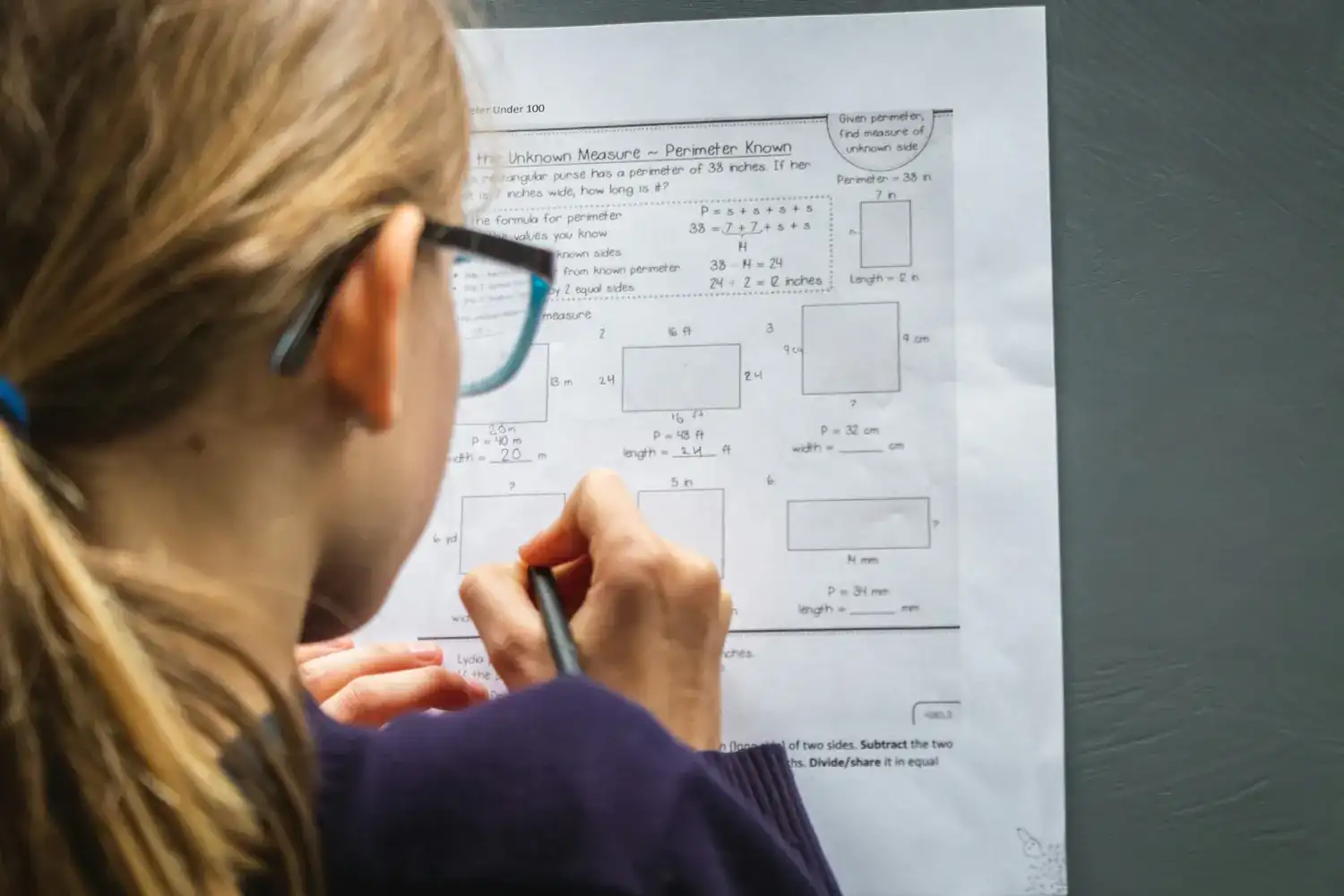
An original checklist we practise until your child can run it alone. It is a teaching tool, not a school requirement.
Read the instruction and say it in your own words. What am I asked to do?
Get the page, pencil and any notes ready. Decide what to do first.
Do the task on your own. If stuck, mark the spot and carry on.
Reread the instruction and your answer. Does it fit? Fix one thing.
Over several lessons the tutor says less at each step, until your child runs the routine without prompting.
These are tutors who teach with Petra Tutors. Being shown here does not mean a tutor is currently available for this service or in your area. We suggest a tutor only after checking your goals, your child's age and the schedule.

English, IELTS & SAT
Julie keeps explanations simple and clear for students who feel unsure about English, working at a pace that supports gradual confidence.

The University of Hong Kong · Economics and Finance
IB English, Chinese, economics & TOK
As a mentor close to students in age, Cian provides structured support for the IB and international curricula, as well as English, Chinese and economics.

Fordham University · Business Administration
English, marketing & business English
Melody draws on studies in marketing and finance to help students develop English for practical use.
This keeps the work your child's own.
Reads, tries, writes and checks. Chooses what to do next when ready.
Asks questions, models the routine once, and steps back.
Hear a short note afterwards on what was practised.

So you know what to expect before you get in touch.
For this service lessons take place online, so your child needs a device and a quiet place to work.
We do not contact your child's school or promise outcomes.
We confirm a tutor is comfortable with the kind of homework your child receives.
We ask for age, school year and what feels hard. We do not need your child's schoolwork to begin.
Not giving the answer, but finding the next step together.
Putting what is being asked into their own words.
Even when not everything is clear, finding a part they can start on.
A habit of going back to the question after writing an answer.
Practising telling the tutor exactly where they are stuck.
A tutor’s job is to help a learner understand a question and produce their own answer. Homework then becomes a place to practise independent work rather than something to outsource.
Before anything is written, the pupil explains what the assignment is asking. A child who cannot restate the task usually has not yet understood it.
When the pupil is stuck, the tutor points to a clue in the question or reminds them of a useful method. “Look at the word ‘compare’. What does it ask you to do?”
The pupil writes the answer in their own words and the tutor does not dictate sentences.
The pupil explains why the answer fits and checks it with the tutor. Being able to explain is the sign that the work is theirs.
The difference is in what the pupil can do the next time without help.
Moment
A ten-year-old is stuck on the question: “Compare the two characters in the story.”
Giving the answer
“Write: Tom is brave and Jack is scared. There, done.” The homework is finished, but the child has learned nothing about comparing.
Giving the next step
“What does ‘compare’ ask you to do? … Say how they are the same and different. Tell me one thing about Tom. Now one about Jack. Now write the difference.” The child writes “Tom was brave but Jack felt scared”.
The tutor asks questions and the child supplies the content, so the work remains the child’s.
Next week’s question about “contrast” will use the same process.
A child who wrote the answer can explain it to the teacher, which is the point of homework.
This is an original example written for this page. Where school rules limit how much help is permitted, we follow the school’s guidance.
| Stage | How much help the tutor gives | What the pupil does |
|---|---|---|
| Early | Reads the question together and points to clues | Restates the task and writes with prompts |
| Next | Asks which method fits and waits | Picks a method and starts alone |
| Later | Checks the finished work | Writes, explains and corrects some errors unaided |
| Established | Available if needed | Handles routine homework alone and brings only real difficulties |
The goal is for homework sessions to become shorter and less needed over time, not longer.
Where to stop helping is the whole skill.
If the tutor could submit the work as theirs, the line has been crossed. We aim to leave the pupil able to do the next one alone.
After a long school day a child may need rest more than extra help. The tutor adapts, and sometimes recommends talking to the teacher about the volume of homework.
We focus on English and related literacy skills. For subjects outside our tutors’ profiles, we say so rather than guess.
If homework regularly seems too hard or too easy, it is worth telling the teacher. The tutor can help you prepare what to say.
Routine does more than a longer session.
A fixed slot after a snack. A quiet table and no screens in the room.
Whichever your child prefers. The key is to start without a fight.
This single question is the most useful thing a parent can say about homework.
Matching depends on your child's age, the subject and how your child learns best. Before we suggest anyone we check the following.
Whether the tutor is comfortable with pupils of your child's age.
Reading logs, short writing, maths sheets or a mixture, as far as you can say.
Lesson times that fit school days and your child's energy.
Lessons are in English.
We start with a short conversation about your child and what is hard at the moment. Then we suggest a tutor and a way of working. Nothing here is a promise of availability.
Your child's age and school year, the subject, and the moment that feels hardest. We do not need your child's schoolwork or any sensitive personal details to start.
If a suitable tutor is available we tell you who we suggest and how the lessons would run. If none is, we say so.
Lessons can be online across the Netherlands. In person lessons are offered mainly in Amstelveen and Amsterdam, depending on tutor availability.
These depend on the tutor, the subject and the format, and we explain them when you get in touch. Our general pricing page has the current overview.
Tell us your child's age, school year and the part of homework that feels hardest. We will explain what is possible and whether a suitable tutor is available.
These are questions families often ask before they get in touch.
The page is written for pupils at international primary schools, but the routine suits any young pupil. Whether a tutor can help depends on the type of homework your child has.
No. Children write their own answers. The tutor guides your child through the four steps and steps back.
Yes. For this service lessons run online, so your child needs a device and a quiet place to work.
That page covers international school pupils of all ages and curricula. This page is about independent homework habits for young pupils.
Your child's age and school year, what the homework looks like and what feels hard. We do not need schoolwork or sensitive details.
No. The tutor helps your child understand and do it themselves. Work that a tutor writes would not help your child, and could be a problem at school.
It can be in the first weeks of a new school or language. Over time the aim is less help, not more. If the need does not fall, talk to the teacher about the level.
English and English-language skills, including reading and writing for school. For other subjects, ask us, and we will say honestly whether a suitable tutor is available.
Not as a rule. A tutor can help you prepare questions, but conversations with the school are best handled by the family.