
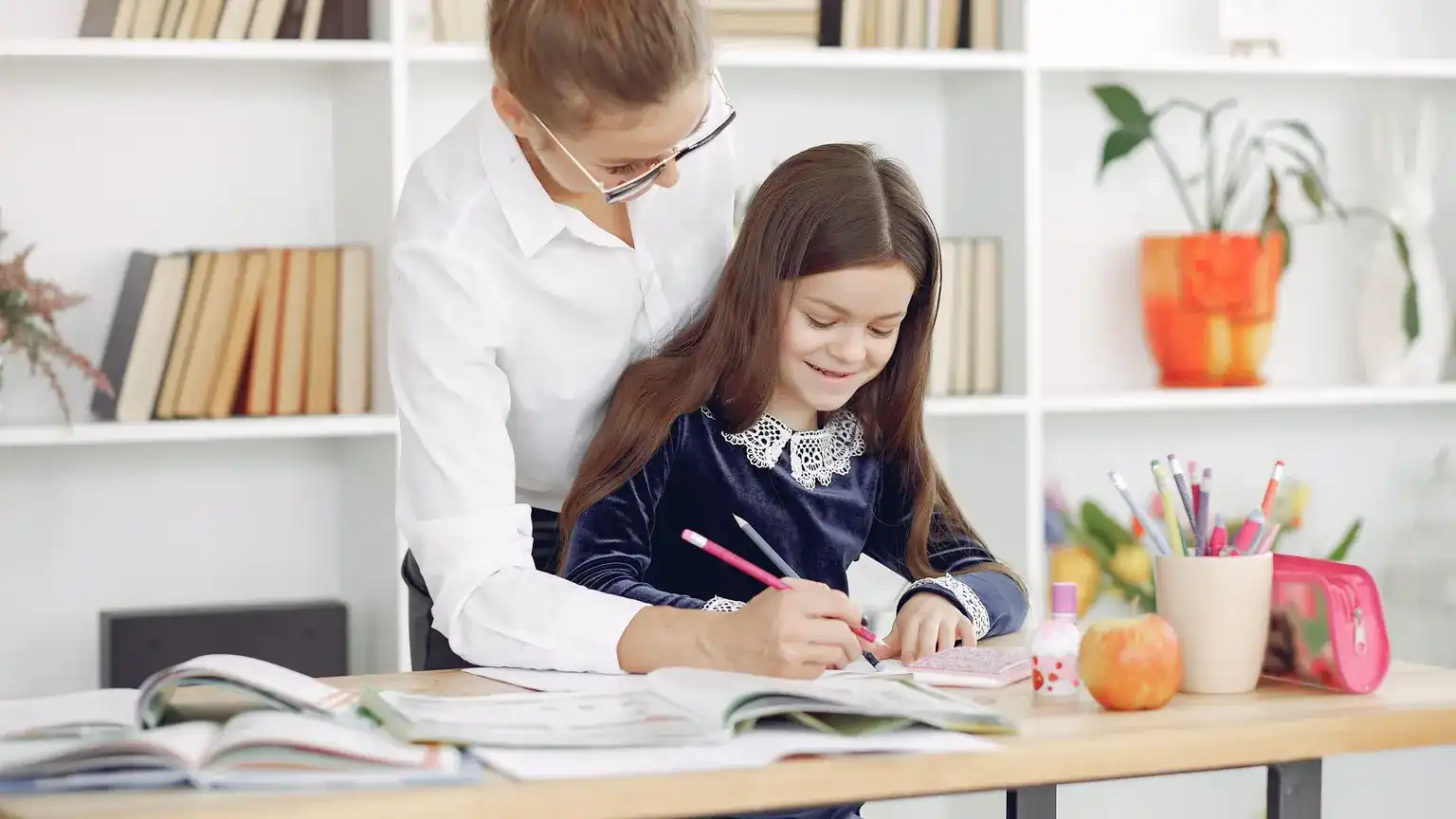
Netherlands, ages 3 to 6, admissions
International school Early Years admissions preparation in Amsterdam and Amstelveen
Enjoyable practice in the everyday and group English of an international school's Early Years, ahead of admission.
Tutors to Talk to About School Preparation
Petra is welcoming new students in the Netherlands. For classroom and home lessons, these are the three tutors we introduce first.

Riku
English for young children, primary pupils and adults; IELTS and TOEFL
Open to enquiries in the Netherlands
Co-founder of Petra. Friendly and patient with beginners, from kindergarten children and primary pupils to adults.
View tutor profile →
Yutaka
History, economics, secondary study, IELTS, TOEFL and music
Open to enquiries in the Netherlands
Co-founder of Petra. Supports secondary students, IELTS and TOEFL, economics and music.
View tutor profile →
Leon
Maths, Geography & GCSE/A-Level
Open to enquiries in the Netherlands
Grew up in Tokyo, with English as a first language and advanced Japanese, so can work in both. The published profile centres on maths, geography and GCSE/A-Level teaching.
View tutor profile →
We settle the tutor, format and times together with you after hearing about your child's age and what you hope for, so please get in touch whenever you are ready.
When families get in touch
Families in the Amsterdam area often come to us with questions like these.
Unsure how schools differ
Age bands, meetings and assessments vary between schools. Families want to know what to check first.
Choosing between a local school and an international school
A Dutch primary school and an international school have different routes in. Families want the differences explained.
English is still new
Families wonder whether their child can stay relaxed when instructions are in English.
New to the Netherlands
Newcomers want to understand how to look for a school and what the steps are.
Admissions differ by school and by country
The table summarises what each school says on its own public page (checked 17 November 2026). Always read the school's latest information before you apply.
| School or system | What the official page describes | Age bands |
|---|---|---|
| ISA (International School of Amsterdam) | Age is counted on 31 August, and Pre-school (age 3) requires a child to be toilet trained. An admissions committee reviews applications, looking at previous school experience, social-emotional development, behaviour and linguistic background. The page says children may join without prior English proficiency up to Grade 9, and it describes no universal English entrance test for preschool | Pre-school 3, Pre-kindergarten 4, Kindergarten 5 (age on 31 August) |
| Amity International School Amsterdam | Applicants living in the Netherlands have an age-appropriate in-person assessment. If a visit is not possible, the admissions team arranges a remote alternative. For applicants from abroad, a video of up to three minutes showing holding a pen, counting and following instructions is described | Early Years 1, 2 and 3 are ages 3, 4 and 5 (age on 31 August) |
| Amstelland International School (Westwijk) | Its admissions page sets eligibility for internationally mobile families, typically a limited stay of three to five years. Its FAQ says English Language Acquisition support is provided in school for children who need it, and its homepage describes it as a Candidate School for the IB Primary Years Programme, which gives no guarantee of authorisation. Check the current rules with the school | Check the school’s current age and year-group availability |
| Dutch primary schools in general | The government says a child can be registered from three and can start school at four. Compulsory education begins on the first day of the month after the fifth birthday | Groep 1 and 2 are mainly for ages 4 to 6 |
Not every school in the Netherlands has an English interview, and even among international schools the form of assessment differs. The school or system name links to the official page.
How child and parents can prepare
For each part of admission, we separate what a family can prepare from what lessons can help with.
| Situation | For your child | For parents | What lessons can do |
|---|---|---|---|
| An age-appropriate assessment at school | Joining activities with a teacher in a new place | Keeping health and the usual daily rhythm steady | Practice hearing English instructions in play and acting on them |
| A video, for applicants from abroad | Getting used to what the school asks for, such as counting, holding a pencil and following instructions | Preparing the video as the school's latest guidance says | Play-based practice with those activities. We do not film or submit on your behalf |
| Meeting with parents | (Nothing special needed from your child) | Organising how your child is doing, the home languages, and your questions for the school | Help organising your thoughts. We do not run mock interviews |
| The days before starting | Meeting English songs and books without pressure | Checking the school's latest information and dates | Short lessons to get used to English |
A parent checklist
- Read each school's current admissions page and note the age cut-off (31 August at ISA and Amity).
- Check whether your situation needs an in-person assessment, a video or a parent meeting.
- Note dates, documents and who to contact at the school.
- Write down your child's home languages and anything the school should know about them.
- Keep daily routines, sleep and meals steady around any meeting or assessment.
- Ask the school directly if anything is unclear. Petra cannot answer for a school.
We record your child's responses and what parents tell us separately, and share each with you.
Two practice activities
We do not drill or imitate an assessment. We build situations where English conversation happens naturally in play.
Examples written for this page, not a copy of any school's assessment
Activity 1: choosing something you like
A child chooses from photographs or small toys, and the tutor asks short questions.
- Materials
- Picture cards of animals or vehicles, and small toys that are hard to put in the mouth.
- Tutor's words
- "What did you choose?" "Why?"
- What the child does
- Points, answers in a home language, or answers with a single English word. All count as replying.
- What we record
- The child's responses and the parent's comments, noted separately.
- Next lesson
- If there is little response, offer two choices. If it goes well, widen to "what do you like about it?"
Activity 2: listening and moving
Using blocks, boxes and a pencil, the child listens to short English instructions and moves.
- Materials
- Large blocks, coloured boxes and a pencil.
- Tutor's words
- "Put the red block in the box." "Can you count the blocks?"
- What the child does
- Listens and acts, copies and acts, or counts while acting.
- What we record
- Whether the child could act on the words, or hesitated, and how they looked when unsure.
- Next lesson
- Show the action and repeat any instruction that was missed. Once it is easy, give two instructions in a row.
Activities change with your child's responses. They are not a way of judging whether a child can or cannot.
Three stages before starting
This is an example of how preparation could be paced. It is not any school's official calendar. Always check the school's own dates.
Early on
Read the school's latest information, and check age bands, the application route and meeting dates.
As applications approach
Get used to English and home-language conversation through play. Parents organise what they want to say in the meeting.
Around the day itself
Keep the usual daily rhythm so your child does not get too tired.
What lessons offer
A few things worth knowing before you decide.
English readiness is what lessons support
Whether a place is offered depends on age, residence circumstances, availability and the school's own review. Lessons help your child stay relaxed when instructions are in English, and ISA says children may join without prior English proficiency up to Grade 9.
What we do
English conversation practice through play, listening and acting on instructions, and help organising what you want to say at a parent meeting. Lessons are in English or Japanese.
Applications and school guidance
Applications and public-school registration stay with your family. For school guidance and practical steps after moving, public services such as the Centraal Informatie Loket (CIL), the information office for newcomers listed by the municipality of Amstelveen, can help.
Each school assesses differently
Assessment differs from school to school. We read each school's own information with you and practise from there.

What sharing progress could look like
These are made-up examples to show how we share. They are not a real child's record.
Your child (example)
After choosing a picture card, said "This one" and pointed. When asked why, answered in a home language.
What the parent shared (example)
Your child can be nervous with a new teacher.
Next time (example)
Start with a two-way choice, which is easier to answer. Updates are in English or Japanese.
These are examples only. The way we share is agreed with you.

We check that the tutor fits a young child
Matching depends on your child's age, the languages used at home and at school, and how your child learns best. Before we suggest anyone we check the following.
Experience with ages 3 to 6
We check real experience of working with very young children.
Lessons in English
Whether the tutor can keep English conversation relaxed for a young child. Dutch-language lessons are not offered.
Format and place
Classroom lessons in Petra Westwijk-klaslokaal (Dignahoeve 54), home visits around Amstelveen and Amsterdam, or online.
Timing
Around your child's daily rhythm and the school's dates.
What we confirm before lessons begin
We start with a short conversation about your child. Then we suggest a tutor and a way of working. Petra is accepting students in the Netherlands. Nothing on this page is a promise of a place at a school or a result.
What we ask you
Your child's age, the languages spoken at home and at school, and what you would like help with. To begin, your child's age and a few details are enough.
Suggesting a tutor
We tell you which tutor we suggest and how a lesson would run, then settle the place and times with you. Online or in person, we look for the way that suits your family.
Online or in person
Lessons can be online across the Netherlands. In-person lessons are offered mainly in Amstelveen and Amsterdam, depending on tutor availability.
Price and first lesson
Fees depend on the tutor and the lesson format. When you contact us we confirm the current Netherlands prices and what is available for a first lesson. Our pricing page gives the current overview.
Tell us about your child
and we will go through it with you
Tell us the schools you are considering, your child's age and the languages used at home, as far as you know. We will explain what is possible and whether a suitable tutor is available.
Questions about international school Early Years admissions in the Netherlands
These are questions families often ask before they get in touch.
Does every child have an interview?
It differs by school. Some schools do an age-appropriate in-person assessment and some ask applicants from abroad for a video. Please read the school's own information.
What if a parent is not confident in English?
Conditions differ by school, so check the school's information first. We can help you organise what you want to say at a parent meeting.
What level of English does a child need?
It depends on the school and age. We help your child feel at ease with English instructions. We cannot give a level to aim for.
How many months ahead should we start?
There is no rule. Once you know the school's dates we work out a pace that suits your child.
Is this needed for a local Dutch school?
According to the government, a child can be registered at a primary school from three and can start at four. There is no need to assume an international-school style assessment. Check the school or your municipality for local steps.
Will Petra submit application documents?
No. Applications and contact with schools stay with your family. Petra does not handle applications.