
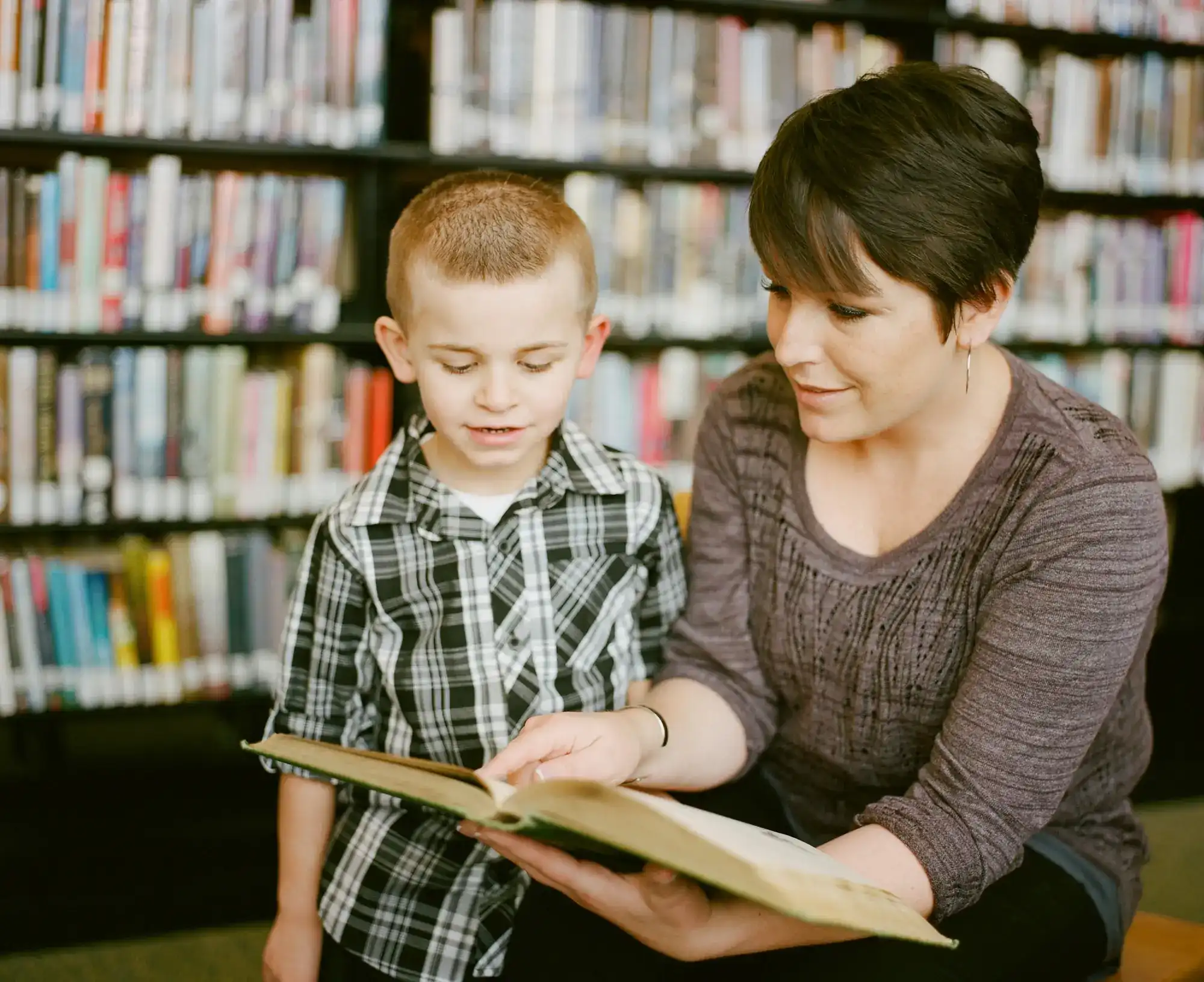
Netherlands, ages 3 to 6, enrolled children
Early Years international school tutoring in Amsterdam and Amstelveen
One-to-one time with picture books and play, to help your child enjoy the school day at an international school's Early Years.
This is for children who already attend. Preparing for admission has its own page.
Tutors for the Early Years
Petra is welcoming new students in the Netherlands. For classroom and home lessons, these are the three tutors we introduce first.

Riku
English for young children, primary pupils and adults; IELTS and TOEFL
Open to enquiries in the Netherlands
Co-founder of Petra. Friendly and patient with beginners, from kindergarten children and primary pupils to adults.
View tutor profile →
Yutaka
History, economics, secondary study, IELTS, TOEFL and music
Open to enquiries in the Netherlands
Co-founder of Petra. Supports secondary students, IELTS and TOEFL, economics and music.
View tutor profile →
Leon
Maths, Geography & GCSE/A-Level
Open to enquiries in the Netherlands
Grew up in Tokyo, with English as a first language and advanced Japanese, so can work in both. The published profile centres on maths, geography and GCSE/A-Level teaching.
View tutor profile →
We settle the tutor, format and times together with you after hearing about your child's age and what you hope for, so please get in touch whenever you are ready.
When families get in touch
Families in the Amsterdam area often come to us with questions like these.
English at school, another language at home
It can be hard to tell what a child understands in each language.
Interested in letters and sounds, unsure how to help
A child likes the alphabet and picture books, and parents want to know how to join in.
A chance to talk about what was noticed
Families would like more time for a child to put into drawings or a few words what they observed or wondered about at school.
Linking school and home
Families want to understand what is happening at school and find things to do at home without strain.
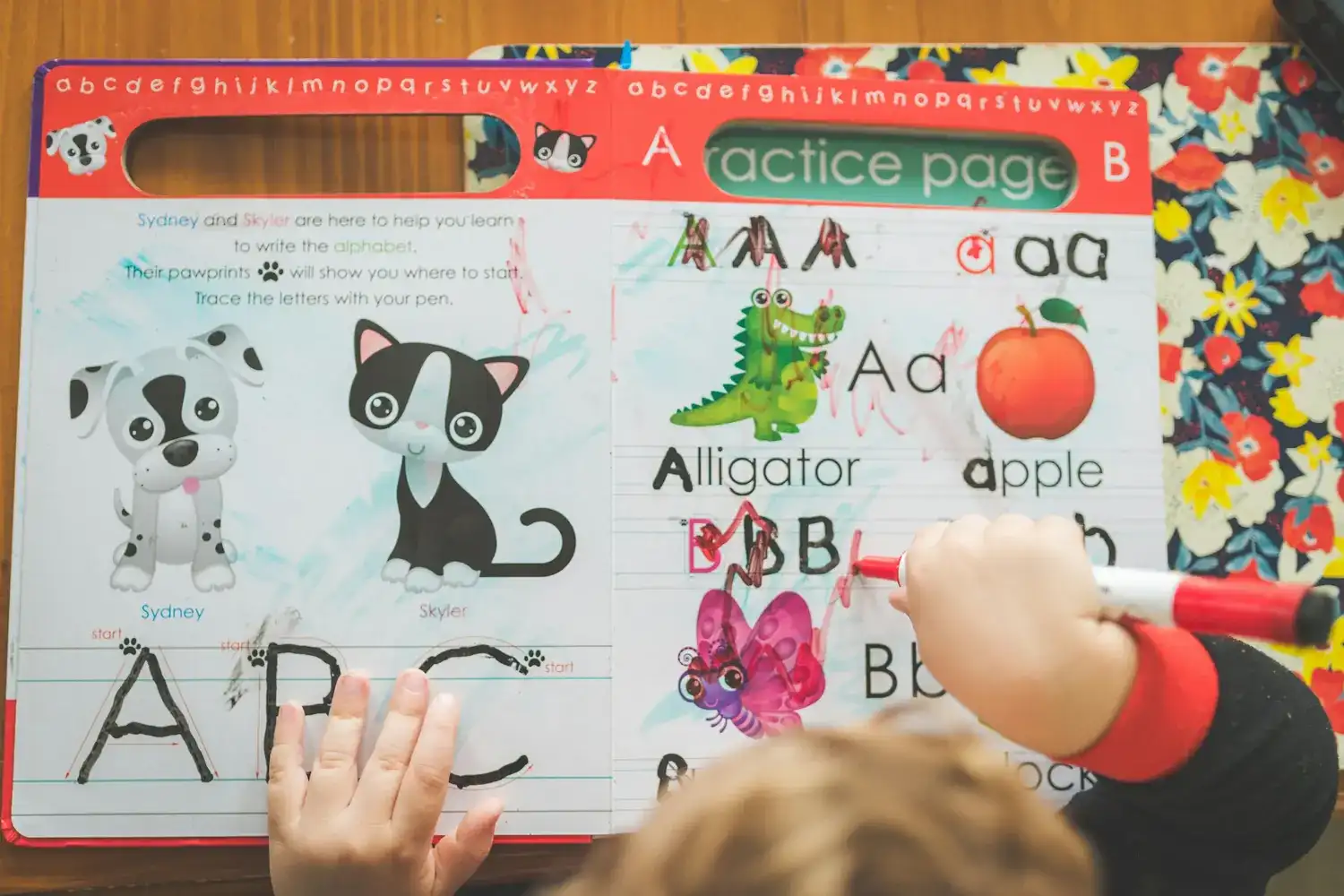
What lessons cover
None of this is about getting ahead of school. It is about helping a child feel secure in learning there.
| Area | What it covers | Lesson example | What we share with you |
|---|---|---|---|
| Listening and speaking in English | Hearing a teacher's instructions and questions, and answering in short words or sentences | Acting on instructions with movements; answering "What do you see?" about a photograph | Where your child followed, and where they hesitated |
| Sounds and letters | Noticing English sounds and linking them to letters | Finding the same sound in a picture book; choosing the letter that matches a sound | Sounds noticed, and which to cover next |
| Picture books and early reading | Reading a picture book together and saying a little about it | Pointing to a page and asking "Why is the character surprised?" | Responses to the story and growing vocabulary |
| Early writing | Tracing, drawing and writing short words | Adding one or two words to a drawing | How your child holds a pencil and feels about writing |
| Inquiry through play | Showing what was noticed and wondered, in drawings and words | Looking closely at everyday objects and talking about what was noticed | Questions and words that came up while exploring |
There is no fixed order. We combine areas to suit your child's interests and what is happening at school.
Examples of a one-to-one lesson
In the same session, a picture-book day and an inquiry day differ in the tutor's questions and what we watch for. Use the tabs to switch.
Examples written for this page, not a real child's lesson
A picture-book example
We read one short picture book together. The aim is thinking about the story, not reading it correctly.
- Materials
- A book your child likes. School handouts that are copyright are not used outside the lesson.
- Tutor's questions
- Pointing to a page: "Why is the character surprised?" "What will happen next?"
- What the child does
- Points, talks about the picture, answers in a few words in Japanese or English.
- What we look for
- Whether your child links the story to expressions and events in the pictures. When words do not come, we welcome pointing and expressions.
- Next lesson
- Words from moments that drew a response go into the next book. If it is hard, go back to a book with more pictures.
An inquiry example
We look closely at everyday objects and show what we notice in a drawing and in words.
- Materials
- Leaves, shells or blocks: large and safe. Nothing hazardous and no small parts.
- Tutor's questions
- "What do you notice?" "Is it the same or different?"
- What the child does
- Touches, compares, draws and says a word or two.
- What we look for
- Whether your child tries to say what they noticed in their own words. Using Japanese and English together is fine.
- Next lesson
- Link whatever sparked interest to the next book or observation.
These show how a lesson might run, not a promise of results.
If your child's school is a PYP school
Not every international school follows the PYP. A school is a PYP school only if it is officially authorised by the IB.
PYP Early Learners
The IB describes PYP Early Learners as ages 3 to 6, with an emphasis on play and inquiry.
What we can do
If your school runs the PYP, we can give your child time at home to put into words what they noticed during inquiry.
What we do not say
We do not claim any connection with or authorisation from the IB, that a tutor is a PYP specialist, or that we replace your school's teaching.
Official sources (checked 10 November 2026; please check the sites for the latest)
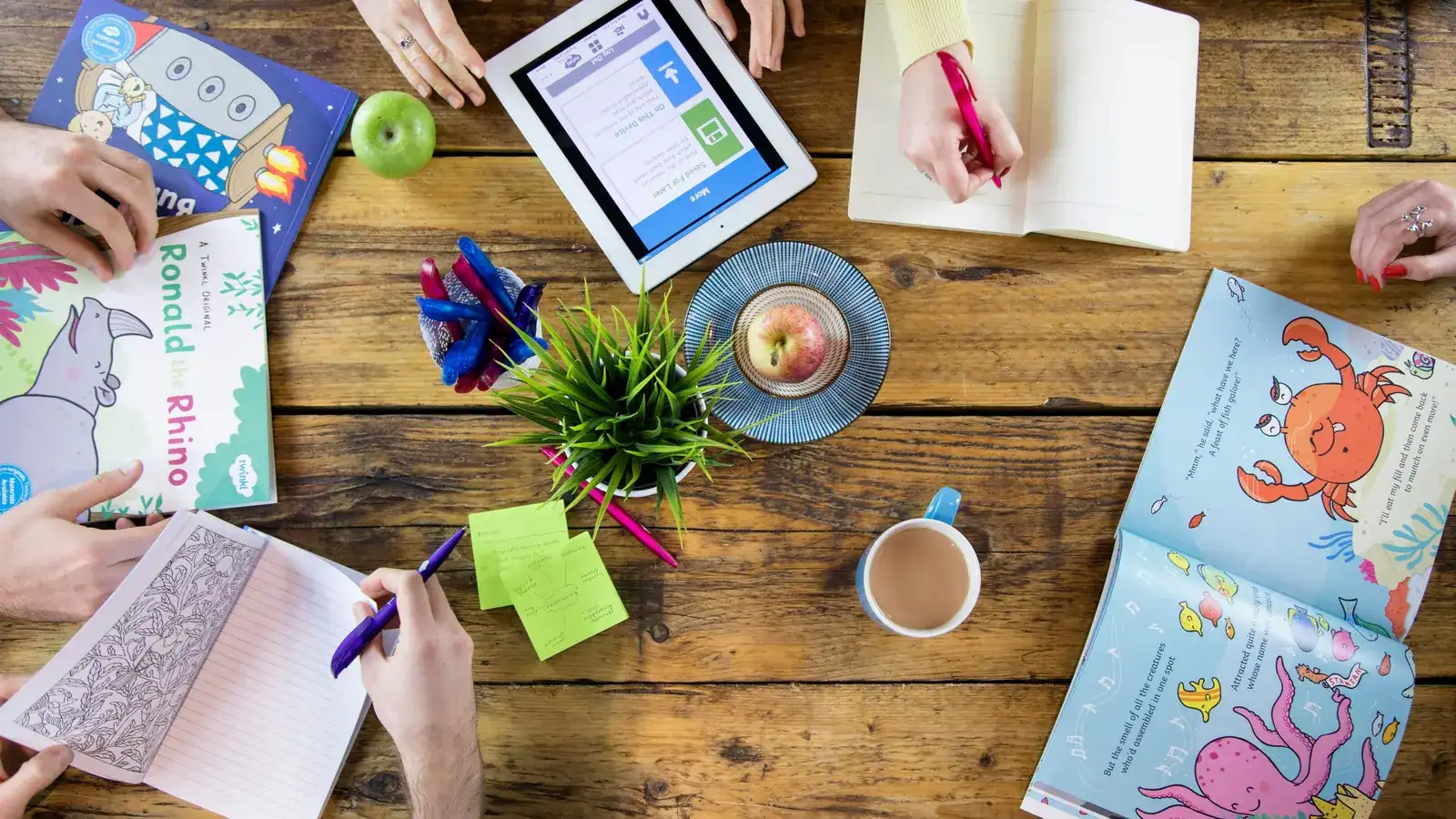
How school, home and tutor fit together
A way of working so that no one sees your child's progress in isolation.
Hear about school
You tell us which books and themes the school is using now.
Try it in a lesson
We choose what your child is interested in and do a short activity together.
Share with you
A short note in English or Japanese describes what we saw and what comes next.
Adjust next time
We change the content to suit your child and what is happening at school.
Contact with the school is normally yours to make. If you would like to tell the teacher something, you are welcome to pass on our lesson notes.
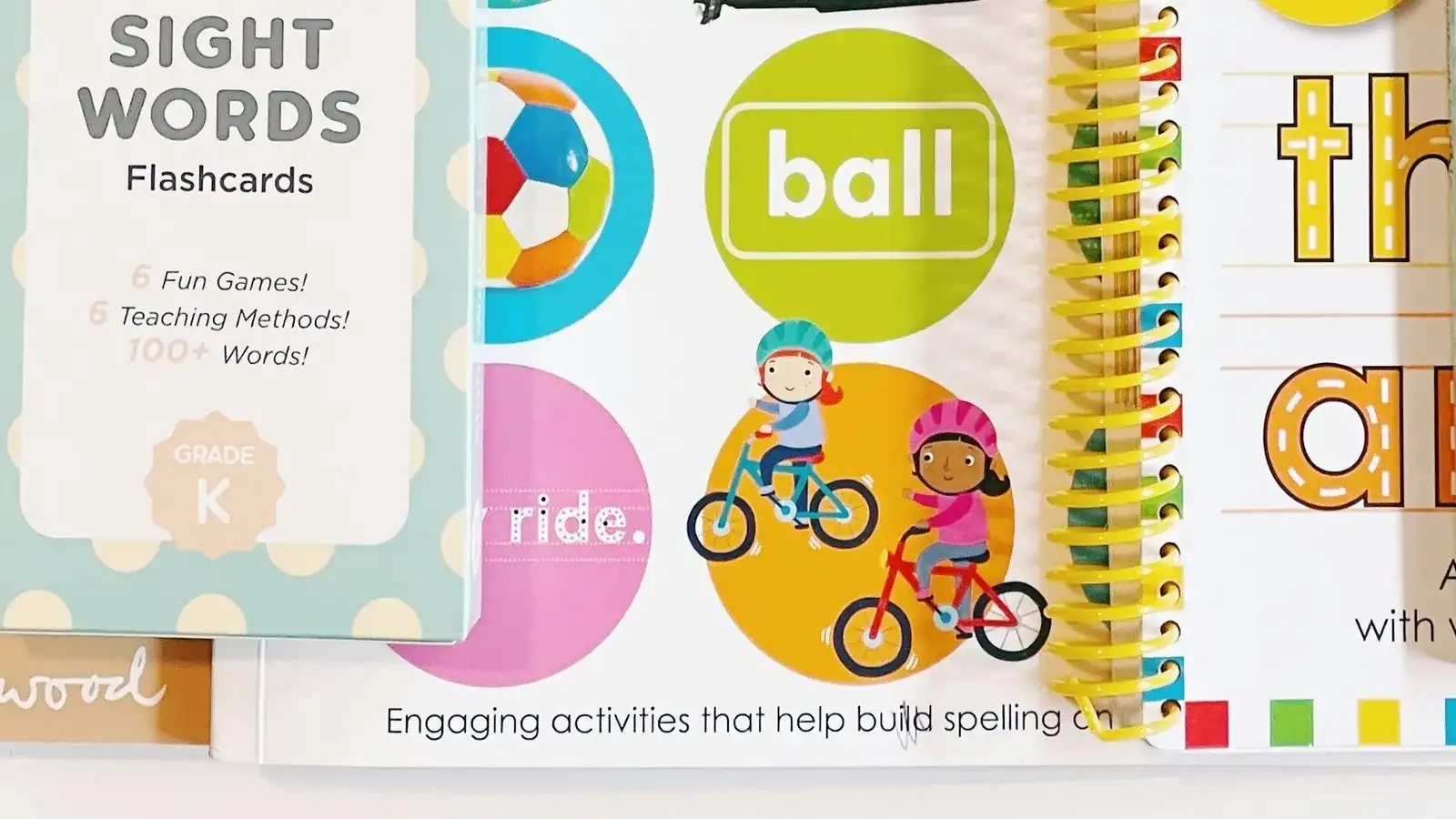
What sharing progress could look like
These are made-up examples to show how we share. They are not a real child's record.
What we saw (example)
In the book, pointed to the "surprised" face and said in Japanese that the character was startled.
Next practice (example)
Link the feelings in the same scene to "happy" and "sad", matched to drawn faces.
At home (example)
After a bedtime book, ask once: "Which page did you like today?" In any language you use.
These are examples only. Updates to families are in English or Japanese.
What this support is, and is not
Some things worth knowing before you decide.
Lessons are not in Dutch
We teach in English or Japanese. We do not currently offer Dutch-language lessons.
We do not do homework or submissions
We support your child to do their own tasks. A tutor never completes them.
Separate from admissions preparation
Preparing for admission has its own page. This page is for children who already attend.
We check that the tutor fits a young child
Matching depends on your child's age, the languages used at home and at school, and how your child learns best. Before we suggest anyone we check the following.
Experience with ages 3 to 6
We check real experience of working with very young children.
Lessons in English
Whether the tutor can keep English conversation relaxed and read picture books aloud. Dutch-language lessons are not offered.
Type of school
We ask whether the school follows the PYP or another curriculum, and check whether we can help.
Format and place
Classroom lessons in Petra Westwijk-klaslokaal (Dignahoeve 54), home visits around Amstelveen and Amsterdam, or online.
What we confirm before lessons begin
We start with a short conversation about your child. Then we suggest a tutor and a way of working. Petra is accepting students in the Netherlands. Nothing on this page is a promise of a place at a school or a result.
What we ask you
Your child's age, the languages spoken at home and at school, and what you would like help with. To begin, your child's age and a few details are enough.
Suggesting a tutor
We tell you which tutor we suggest and how a lesson would run, then settle the place and times with you. Online or in person, we look for the way that suits your family.
Online or in person
Lessons can be online across the Netherlands. In-person lessons are offered mainly in Amstelveen and Amsterdam, depending on tutor availability.
Price and first lesson
Fees depend on the tutor and the lesson format. When you contact us we confirm the current Netherlands prices and what is available for a first lesson. Our pricing page gives the current overview.
Tell us about your child
and we will go through it with you
Tell us your child's age, the type of school they attend and the languages used at home, as far as you know. We will explain what is possible and whether a suitable tutor is available.
Questions about Early Years tutoring at international schools in the Netherlands
These are questions families often ask before they get in touch.
Can we have lessons if the school does not follow the PYP?
Yes. Whether or not the school is a PYP school, lessons focus on English listening and speaking, picture books, early reading and writing, and inquiry.
How do you handle tasks from school?
We do not write the answers. We help your child take on the task themselves, and we can think about how to approach it.
Can lessons use Japanese too?
We follow your home languages. Whether a tutor can work in Japanese and English is confirmed once we know who is available. We do not offer lessons in Dutch.
What age is this for?
Roughly 3 to 6. Age matters less than whether your child enjoys a short activity with a tutor, so please talk to us first.
Will you contact my child's teacher?
Contact with the school is normally yours. If you want to tell the teacher something, you are welcome to pass on our lesson notes.
Can lessons be online?
Yes. Screen time is kept short and we use picture books and everyday objects together.