
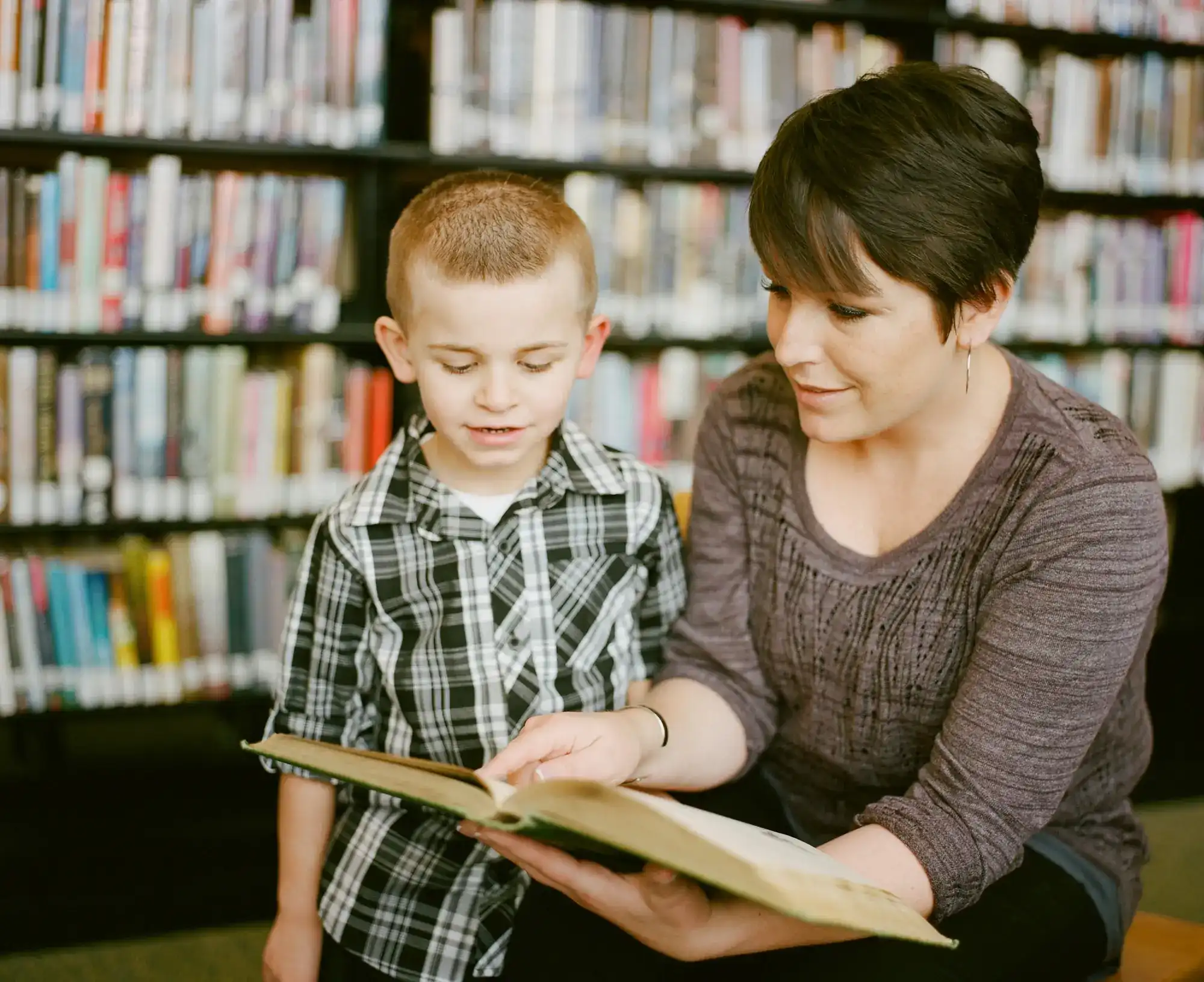
First attempt
The bus was late because of the rain, so he read his book.
Ages about 7 to 11 · Reading and early writing
Reading aloud well is not the same as understanding. We help your child find the answer in the text, say it in their own sentence and begin to write a clear sentence or short paragraph of their own, with the tutor guiding rather than writing for them.
We check a tutor's fit with primary reading and writing before suggesting anyone.
Decoding is often secure by this age. The next step is meaning, and then putting that meaning into writing.
The words come out smoothly, yet your child cannot say what the text was about.
The right sentence is found, but the answer is not put into your child's own words.
Writing stays at 'I go park' because linking words and past tense are still new.
A child who worries about mistakes may write as little as possible.
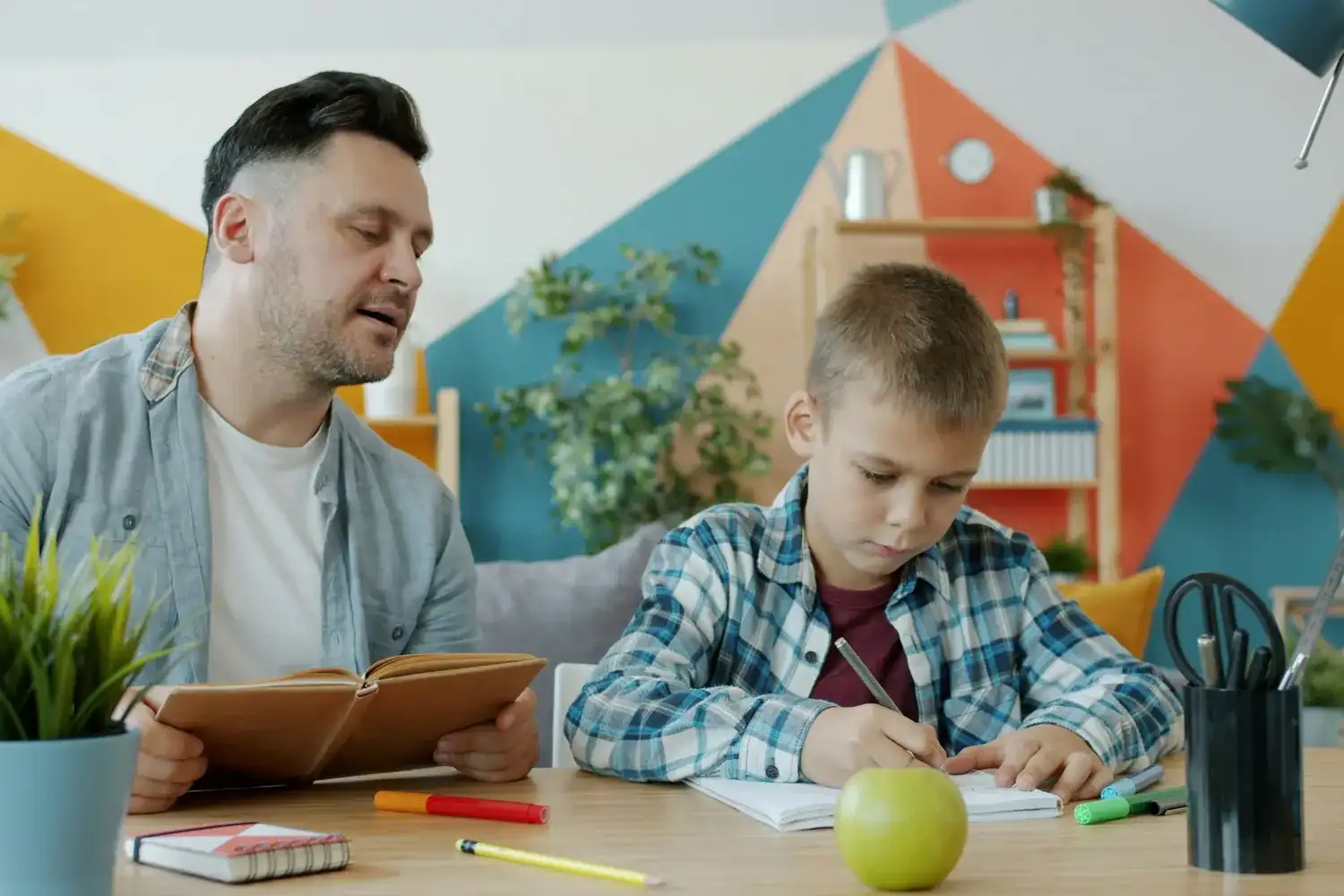
An original example of how we move from finding the line to explaining it.
Teaching illustration written for this page
Text: Ken waited at the bus stop. The bus was late because of the rain, so he read his book. Question: Why did Ken read his book?
First attempt
The bus was late because of the rain, so he read his book.
After the tutor's questions
Ken read his book because the bus was late. He had to wait.
The child points to the line that holds the answer before writing anything.
Rewording shows understanding, where copying only shows searching.
A 'because' sentence is a small, real step in early writing.
This text and answer are an original example. They are not a real pupil's work and not taken from any school's materials.
These are tutors who teach with Petra Tutors. Being shown here does not mean a tutor is currently available for this service. We suggest a tutor only after checking your goals, your child's age and the schedule.
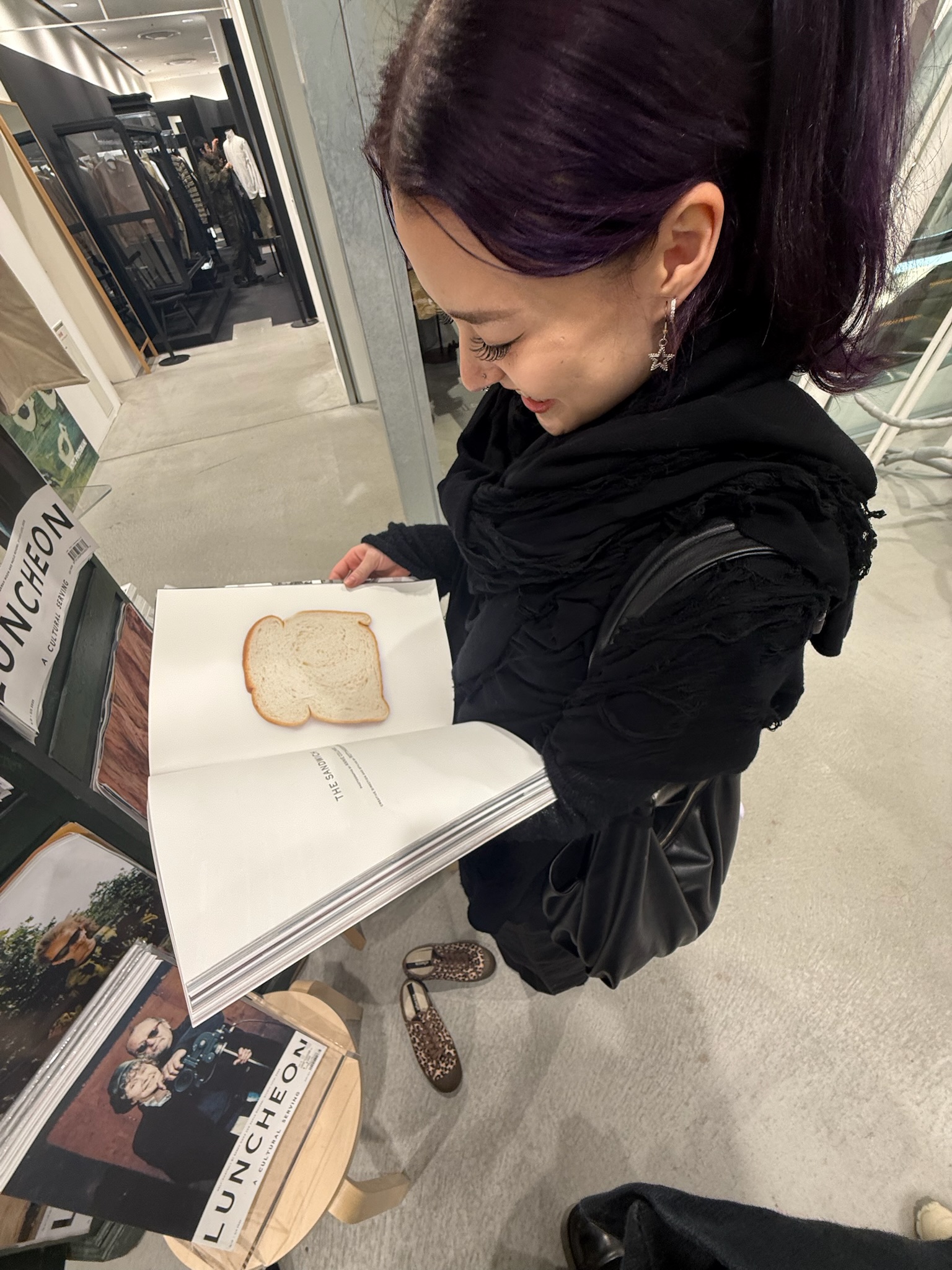
Sophia University · Faculty of Liberal Arts
Conversation, EIKEN and primary English
Hannah's gentle, approachable manner helps children who find English difficult become more comfortable step by step.

English, IELTS & SAT
Julie keeps explanations simple and clear for students who feel unsure about English, working at a pace that supports gradual confidence.
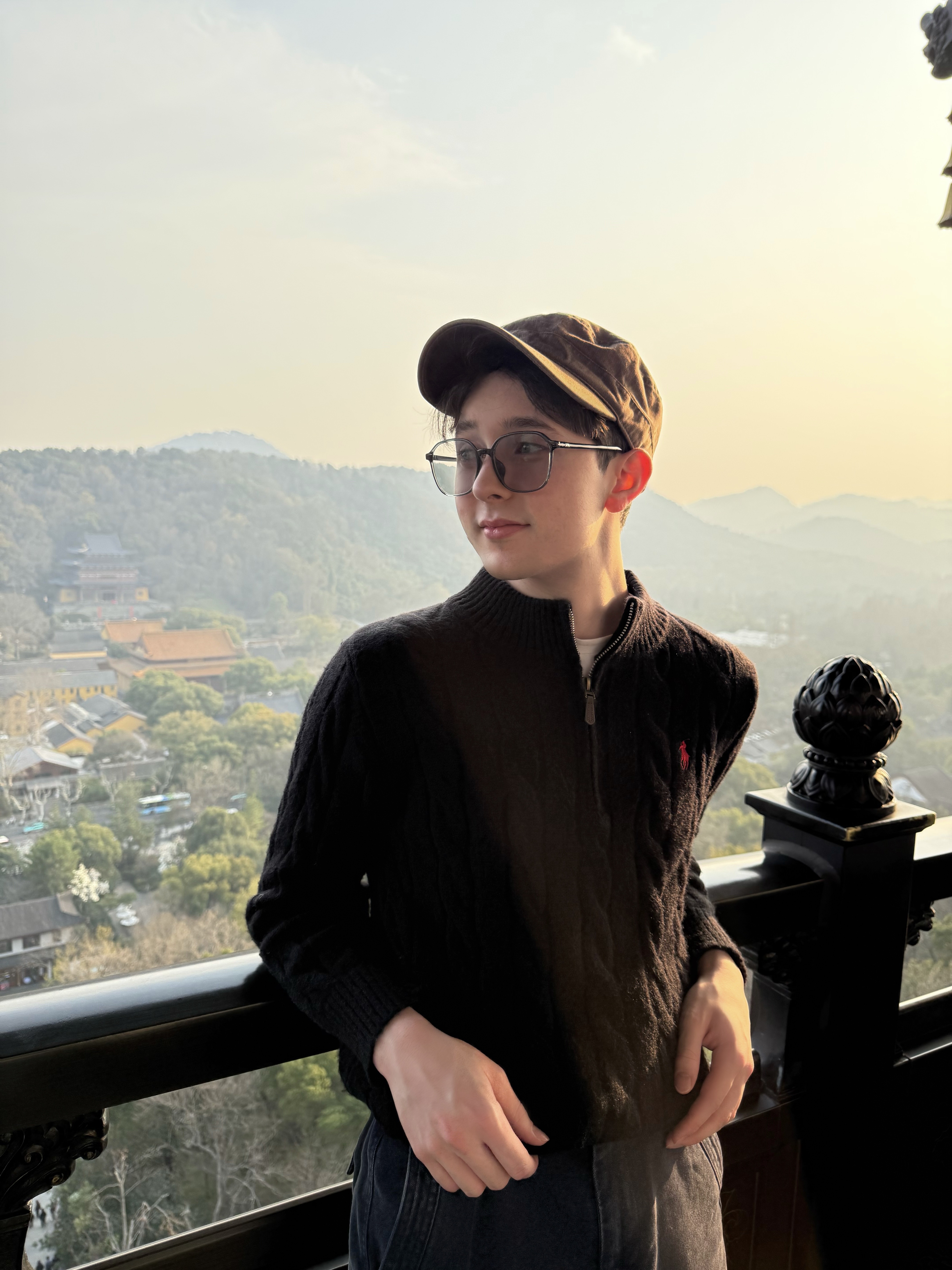
The University of Hong Kong · Economics and Finance
IB English, Chinese, economics & TOK
As a mentor close to students in age, Cian provides structured support for the IB and international curricula, as well as English, Chinese and economics.
A small set of reading questions we practise, with where to look and a way to start the answer.
| Question word | What it asks for | A way to start the answer |
|---|---|---|
| Who | A person or character | The text says that … did it |
| Where | A place | It happened at … |
| Why | A reason | … because … |
| How | A way or a feeling | He felt … when … |
Real lessons use texts at your child's level. The pace depends on the child.
Reading and writing grow together in small steps.
Aloud or silently, depending on what helps your child focus.
What happened, who was there and why, in simple English.
Find the line, then say or write the answer in your child's own words.
A guided sentence or short paragraph on the same topic.

Plain information before you decide.
If your child is still learning to sound out words, our phonics and early reading page fits better.
For older pupils writing essays for an international school, see our English writing page.
We check a tutor's experience with primary reading before suggesting them. We do not promise a reading level, a test score or a date.
Matching depends on your child's age, the subject and how your child learns best. Before we suggest anyone we check the following.
Whether a tutor is comfortable with the age and level of your child's reading.
Whether the tutor encourages risk-taking in writing.
Online, or in person in Tokyo depending on the area and the tutor's availability.
Times that fit school and your child's energy.
We start with a short conversation about your child and what is hard at the moment. Then we suggest a tutor and a way of working. Nothing on this page is a promise of availability.
Your child's age and school year, the school or curriculum, and the moment that feels hardest. We do not need your child's schoolwork or sensitive personal details to begin.
If a suitable tutor is available we tell you who we suggest and how lessons would run. If none is, we say so.
Lessons can be held online. In-person lessons in Tokyo depend on the area and on the tutor's current availability.
Fees depend on the tutor, the content and the lesson format, and we explain them in the free trial lesson or when you contact us. Our pricing page gives the current overview.
Tell us your child's age, what they read at the moment and what feels hard about answering or writing. We will explain what is possible and whether a suitable tutor is available.
These are questions families often ask before they get in touch.
Phonics is about turning letters into sounds to read a word. This page starts once your child can read most words and needs to understand, answer and write.
The tutor guides your child to notice and fix their own mistakes, so the writing stays your child's. We do not rewrite it for them.
We can use the texts your child is given where you can share them. We ask which programme the school uses and do not claim any partnership.
No. It suits any primary-age child in Japan reading and writing English, whether at an international school, a Japanese school or at home.
Lessons can be held online. In-person lessons in Tokyo depend on the area and the tutor's current availability.