

Ages about 10 to 14 · Planning and independence
From last-minute homework to a plan your child can keep
As work grows across subjects, it is not only the content that gets hard but the organising: what is due when, what to do first, how to break a project down. We help your child build a weekly routine they can run themselves, so parents can step back.
We coach planning and habits. We do not take over the schoolwork.
When the difficulty is organising, not understanding
Many capable pupils lose marks because of timing and planning, not because they cannot do the work.
Deadlines arrive as a surprise
Work is noted in several places, or nowhere, so due dates are found out the evening before.
A big project feels like one big task
Without smaller steps, it is hard to know where to begin, so it does not begin.
Everything is done in order of arrival
A short task and an important task are treated the same, so the evening runs out.
Parents are the reminder system
The family carries the planning, and independence does not grow.
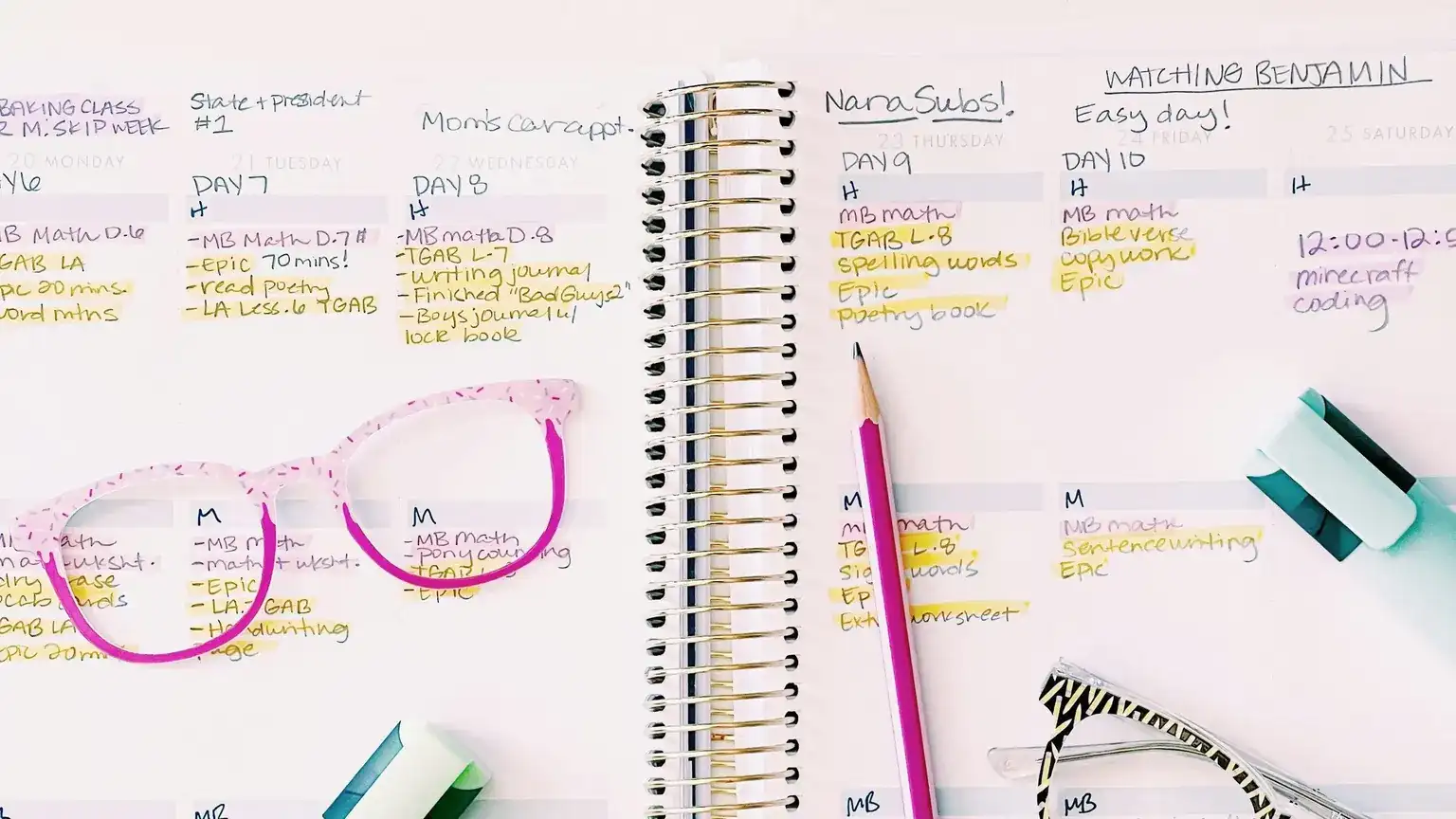
A weekly planner, set up together
An original example of how a pupil can lay out one week. The real plan is built from your child's actual homework and activities.
| Day | Task and size | When | Done? |
|---|---|---|---|
| Monday | Maths sheet, 20 minutes | After snack, 4:30 pm | Tick when finished |
| Wednesday | Science project: plan and list questions, 30 minutes | After dinner, 7:00 pm | Tick when finished |
| Thursday | Science project: find two sources, 30 minutes | After snack, 4:30 pm | Tick when finished |
| Sunday | Check the week ahead, 10 minutes | Before dinner, 5:30 pm | Tick when finished |
Illustration written for this page. It is not a real pupil's plan and not taken from any school's materials.
Get to know Petra Tutors tutors
These are tutors who teach with Petra Tutors. Being shown here does not mean a tutor is currently available for this service. We suggest a tutor only after checking your goals, your child's age and the schedule.

Keio University · PEARL
Maths, physics, English & MYP/PYP
Siya focuses on maths and also covers physics, English and economics, explaining each step clearly.

Keio University · Faculty of Economics
English, maths, German & TOEFL/SAT
From primary to university level, Toru covers English, maths and German, as well as support with overseas university and secondary school applications.

Keio University · Faculty of Economics
IB Physics, Maths & English
Currently in his second year of an economics degree, Dominic also attended Saint Mary's International School through graduation. Half-Japanese and half-English, he teaches IB Physics, Mathematics and English Language and Literature, and has already tutored with Petra.
How a planning lesson runs
Each session builds a habit, using your child's own tasks.
Collect everything that is due
Tasks from every subject go into one list, with dates.
Size and order the tasks
Your child estimates how long each will take and what comes first.
Place them in the week
Tasks go into real time slots around school and activities.
Review and adjust
Next lesson we look at what worked and change what did not.

What this is, and what it is not
Plain information before you decide.
It is not subject tutoring
We do not teach a subject here. If your child needs help with the content, tell us and we will suggest the right support.
It is not homework help for younger children
For primary-age pupils who need help starting and finishing their own homework, see our primary homework help page.
No results are promised
Habits take time. We promise no grades, and your child does the planning with our support.
We check that the tutor fits the task
Matching depends on your child's age, the subject and how your child learns best. Before we suggest anyone we check the following.
Experience with older pupils
Whether a tutor is comfortable coaching organisation and independence at your child's age.
Fit with the school's workload
We ask what kind of homework and projects your child has, and whether the tutor knows that kind of workload.
Format
Online, or in person in Tokyo depending on the area and the tutor's availability.
Schedule
A regular slot at the same time each week, ideally before the busiest days.
What we confirm before lessons begin
We start with a short conversation about your child and what is hard at the moment. Then we suggest a tutor and a way of working. Nothing on this page is a promise of availability.
What we ask you
Your child's age and school year, the school or curriculum, and the moment that feels hardest. We do not need your child's schoolwork or sensitive personal details to begin.
Suggesting a tutor
If a suitable tutor is available we tell you who we suggest and how lessons would run. If none is, we say so.
Online or in person
Lessons can be held online. In-person lessons in Tokyo depend on the area and on the tutor's current availability.
Price and free trial lesson
Fees depend on the tutor, the content and the lesson format, and we explain them in the free trial lesson or when you contact us. Our pricing page gives the current overview.
Tell us about your child
and we will go through it with you
Tell us your child's age, school and what feels hardest about keeping up with homework. We will explain what is possible and whether a suitable tutor is available.
Questions about study skills and homework planning
These are questions families often ask before they get in touch.
Is this tutoring in a subject?
No. This is coaching in planning, organising and working independently. If your child also needs help with a subject, tell us and we will suggest the right support.
How is this different from homework help?
Homework help works through your child's actual tasks, usually for younger pupils. Planning coaching teaches the habits behind finishing work on time across all subjects.
Does my child need a particular planner or app?
No. We start with whatever your child will actually use, such as a paper planner or a simple list.
Will the tutor check my child's work?
The tutor checks that the plan is followed and helps your child review it. Checking the content of the work is not what this lesson is for.
Are lessons online or in person?
Lessons can be held online. In-person lessons in Tokyo depend on the area and the tutor's current availability.