
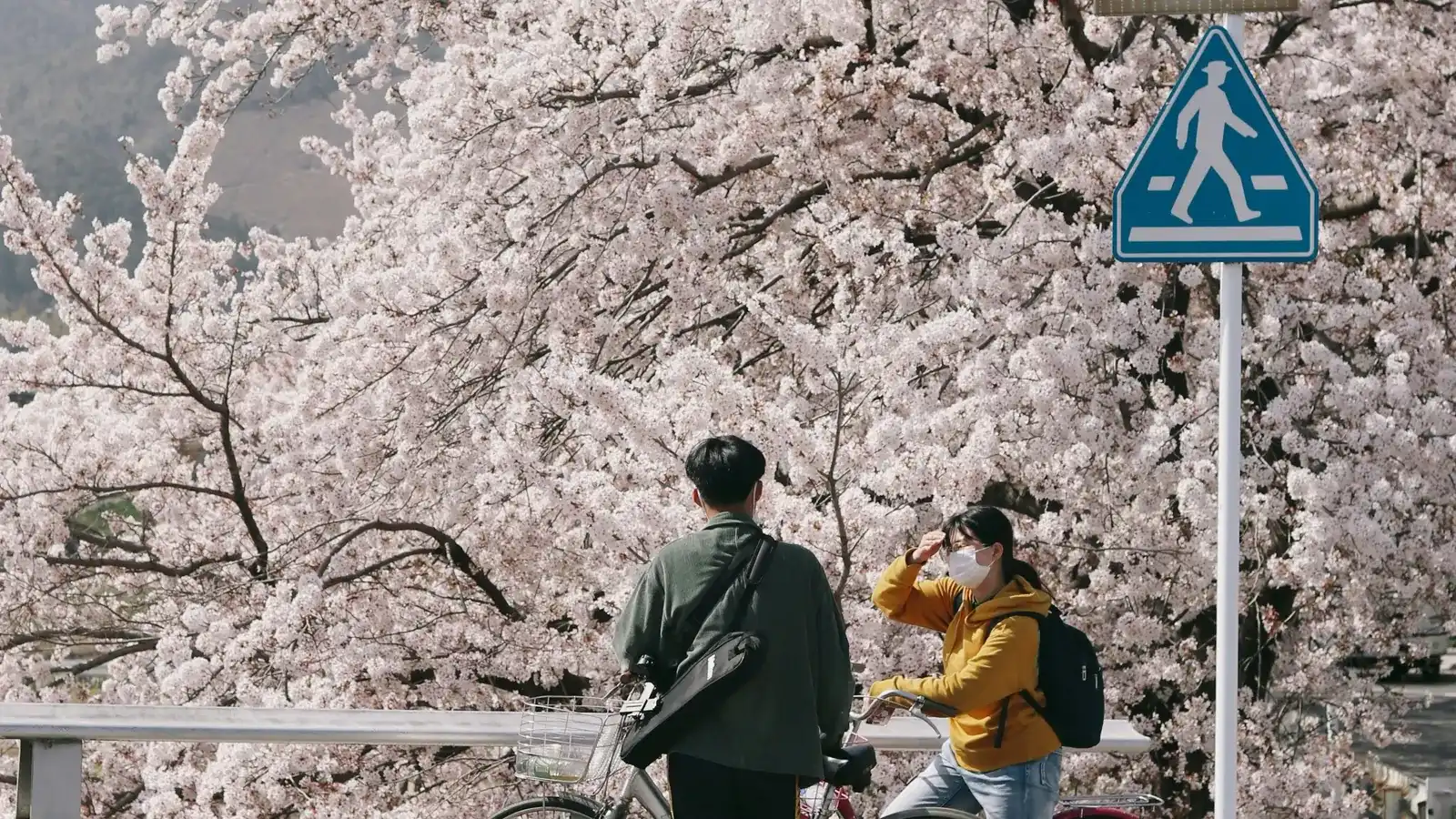
First consider what “being able to attend” means for this student
A child who finds it difficult to go to a classroom at a fixed time every morning may need a different environment from a child who likes group activities but struggles with relationships at their current school. Write down specific conditions, such as the morning schedule, travel distance, number of pupils in a classroom, procedures when absent and the format of assignments.
Even when the child cannot attend a school information session, the family can request materials or the parent can ask questions first. Instead of suddenly demanding “Which school do you want?”, it may be easier to answer smaller choices: “Would you prefer a quiet place?” or “How many days a week might you feel able to try?”
Considering full-time high school
Many full-time schools organise lessons during the day; everyday activities and opportunities to interact with peers may be attractive. At the same time, students need to manage attendance and the timetable, so it is essential to check whether that fits the burden they currently face. In admission selection, the treatment of application documents varies by prefecture, school and admission category.
Do not assume that school reports or absences are handled identically across Japan. Read the latest recruitment guidelines published by the board of education for the area where the student intends to apply. Interviews or other selection methods may accompany academic tests, and it is worth asking whether any special admission pathway exists.
Considering part-time high school
Part-time high school is not necessarily limited to evening classes. Some programmes operate during the day or offer multiple time slots. Teaching hours, the period of study, how credits are earned and how often students attend vary by school. Check whether the timetable fits the student's daily rhythm, whether travel is safe, and whether school can be combined with work or activities elsewhere.
Entering a part-time school does not automatically remove the need for learning support. Compare remedial teaching and consultation arrangements, too. Rather than assuming the name means graduation will be easy, ask to see an annual timetable.
Considering correspondence high school
Correspondence programmes combine report assignments, required face-to-face teaching sessions (sukūringu in Japan), and examinations. They may make it easier to reserve time for learning at home, but a student who finds deadline management difficult may need support. Even if someone says that students “hardly have to attend”, the actual number and location of required schooling sessions differ by institution.
Some programmes involve travel to a distant venue or concentrated attendance over several days. If a support school is involved, distinguish the high school that awards the graduation qualification from the organisation providing learning support, including their separate roles and fees.
| Route | What it is like | What to check |
|---|---|---|
| Full-time | Many organise lessons during the day; everyday activities and time with peers may be attractive | Whether attendance and the timetable fit the current burden; how application documents are treated varies by prefecture, school and category |
| Part-time | Not necessarily evening-only; some programmes run during the day or offer several time slots | Teaching hours, length of study, how credits are earned, how often to attend, remedial teaching and consultation; the annual timetable |
| Correspondence | Combines report assignments, face-to-face schooling and examinations | The real number and location of schooling sessions, support with deadlines, and the roles and fees of the diploma-awarding high school versus any support school |
Seven points to check during visits and consultations
Terms such as “small classes” and “individual support” can mean different things at different schools. Ask, for example, how often individual meetings take place and what happens if an assignment cannot be submitted. If a visit feels overwhelming for the student, ask whether online briefings or individual visits are possible.
What to discuss with the current middle school
Ask the homeroom teacher or progression adviser about application procedures, preparation of the school report, recommendation conditions and information sessions. If the student finds it hard to speak directly to the teacher, ask whether the parent can communicate on their behalf. Other sources of advice may include municipal education consultation services and education support centres.
Even if communication with the middle school becomes difficult, do not depend on one source alone: consult primary sources such as official admission guidelines. MEXT's November 2023 support notice sets out measures to strengthen learning and consultation support for pupils experiencing non-attendance. Ask the current middle school and local authority which services and transition procedures are available in practice.
Prioritising preparation for entrance examinations
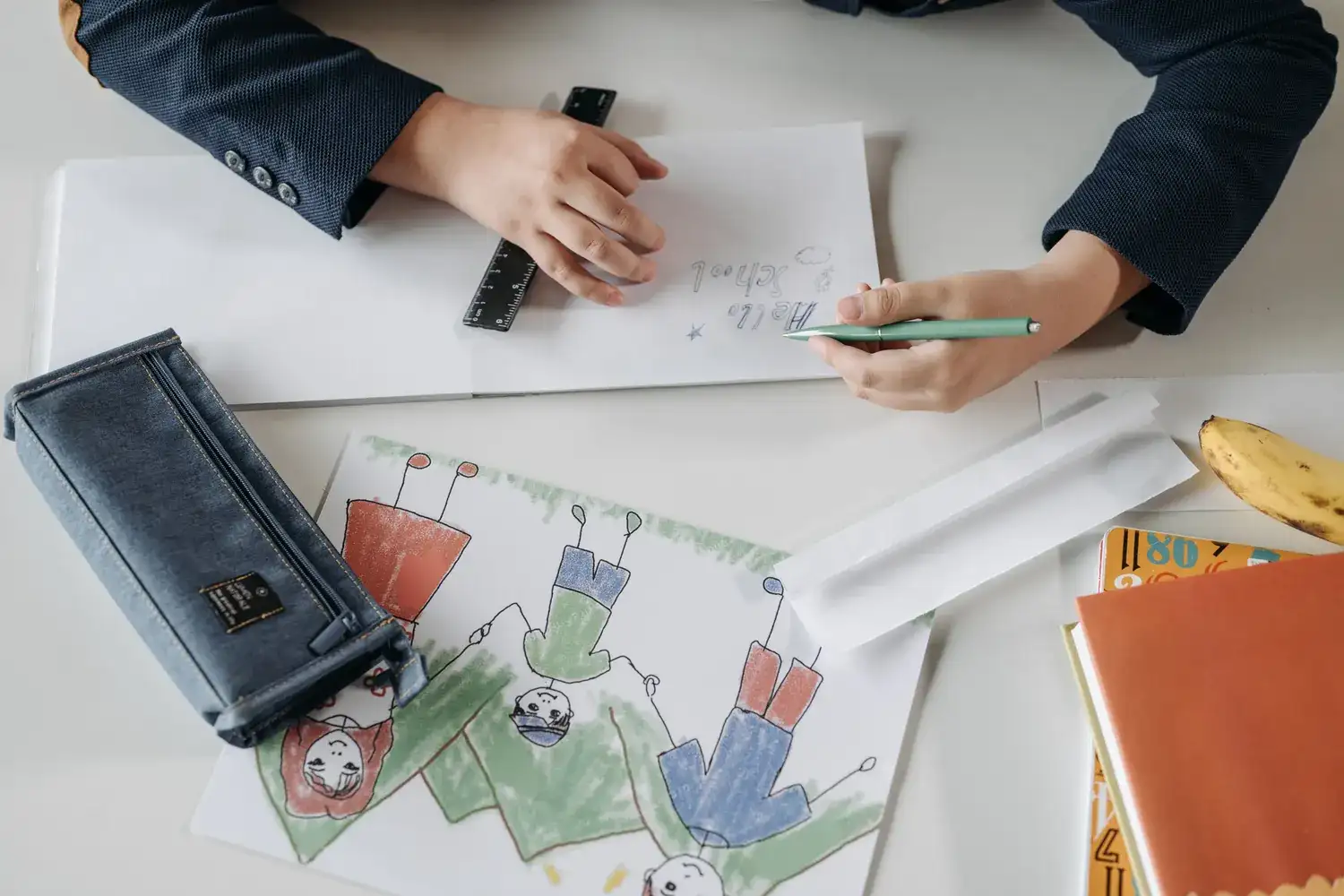
Once a likely pathway has emerged, check which subjects and admission methods are required and plan study accordingly. For a student who finds English difficult, it may be easier to review basic word order and vocabulary needed for reading sentences than to complete every page of a textbook for their current year. For mathematics, choose foundations such as calculation and percentages that support later topics.
If a learning assessment is stressful, start with a few short questions and do not judge progress solely by time or scores. Do not rush to increase the study load when the student's health or sense of safety is unstable.
A comparison note that prevents rushed decisions
A single table can compare school name, programme type, eligibility, admission process, required attendance, travel time, tuition, support available and the student's own impressions. For each school, separate “what we know” from “what still needs checking” so uncertainty is not presented as fact. If parent and child prefer different options, do not decide immediately that one is right; clarify the specific concerns behind each view. Look beyond gaining admission and ask whether appropriate support will remain available afterwards.
Add the date each fact was checked and its source to the comparison table, so that the information can be updated if entry conditions change in the following year. For correspondence high schools, do not compare only the number of attendance days: check report submissions, required face-to-face teaching, examinations and the conditions for using learning-support facilities separately.
MEXT's correspondence-school directory lists schools and associated facilities, but verify current admissions and fees with each school directly. If a brochure and an answer at an information session conflict, request written clarification before asking the child to decide.
A comparison sheet for upper-secondary routes
Use the same columns for each prospective school: its official name, whether it offers full-time, part-time or correspondence education, application eligibility and selection method, required attendance days and travel time, total first-year costs, a contact for learning or careers advice, and the student's own impressions.
Do not assume that correspondence study requires no attendance or that every part-time school follows the same daily timetable. Check each school's latest admission guide and annual calendar. Record questions and the date information was checked instead of guessing, and let the student decide which differences to discuss first.
Where to ask and how to verify information
Education and progression information may vary by school, area and academic year. Confirm specific rules about eligibility, assessment, credits and submission deadlines in the school's latest admission guidelines and course information or with the responsible local authority. For worries related to mental or physical health, appropriate specialist services can be consulted alongside educational supporters.
This article provides general educational information; it is not an individual diagnosis or a guarantee of admission or credit completion.
References
- MEXT | school non-attendance support (Japanese)
- MEXT | November 2023 pupil-support notice (Japanese)
- MEXT | comparison of full-time, part-time and correspondence high schools (Japanese)
- MEXT | official FAQ on attendance, learning support and fees (Japanese)
- MEXT | official correspondence-school directory (Japanese)