
Step 1: how many in total?
3 packs of 8 pencils. 3 × 8 = 24. There are 24 pencils altogether.
Ages about 6 to 12 · Maths in English
Maths in a second language adds a second hurdle: the child must read the question before they can solve it. We slow the problem down, name each step and let your child say it back before moving on.
We check a tutor's fit with your child's maths topics before suggesting anyone.
Often the maths is within reach. The wording, the steps or the confidence is what gets in the way.
A child who can do 24 − 5 may still freeze at a paragraph that hides it.
Right answers by luck do not build a method. A wrong answer then offers no clue where it went off.
After a few red marks a child may stop attempting problems at all.
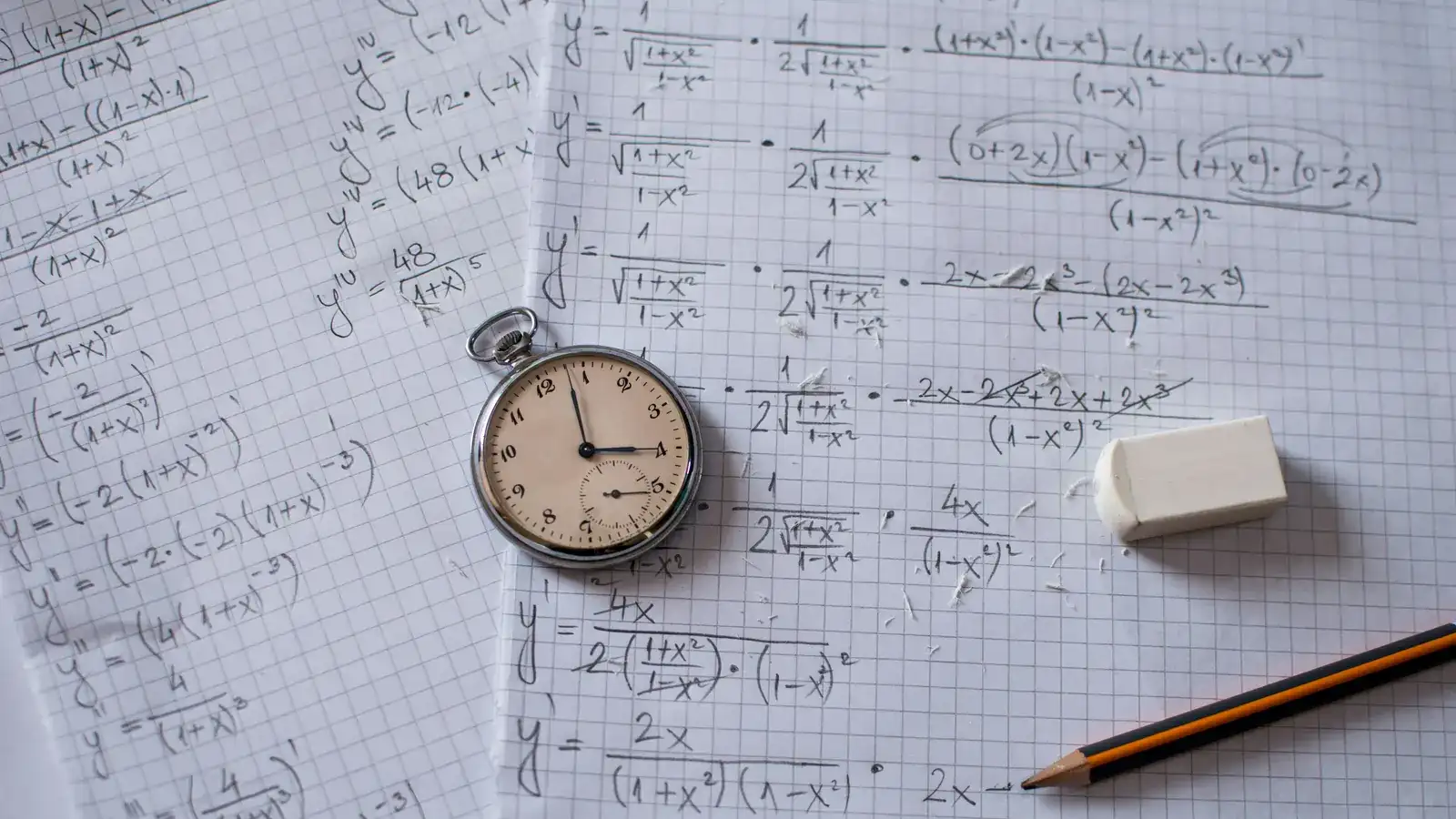
An original example of how we break a word problem into steps your child can say aloud.
Teaching illustration (written for this page)
There are 3 packs of 8 pencils. 5 pencils have been used. How many pencils are left?
Step 1: how many in total?
3 packs of 8 pencils. 3 × 8 = 24. There are 24 pencils altogether.
Step 2: how many are left?
5 pencils are used. 24 − 5 = 19. There are 19 pencils left.
Total first, then taking away, so the question's wording becomes a plan.
A spoken sentence shows whether the idea is understood, not just the number.
19 + 5 = 24 closes the loop, and a check is a habit worth learning.
This is an original example for this page. It is not a real pupil's work and not taken from any school's materials.
These are tutors who teach with Petra Tutors. Being shown here does not mean a tutor is currently available for this service or in your area. We suggest a tutor only after checking your goals, your child's age and the schedule.
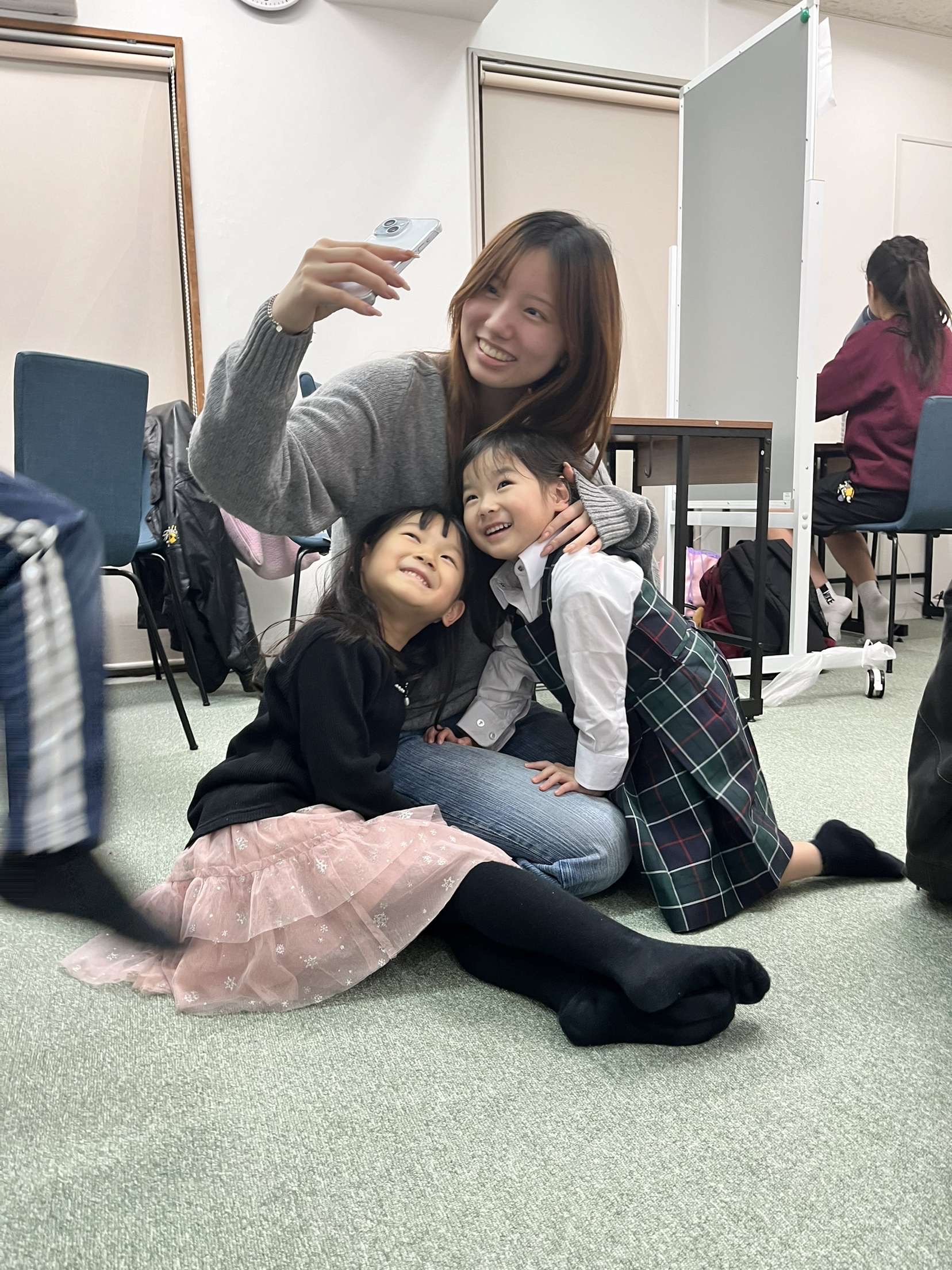
Sophia University · SPSF
IB English, economics & IELTS/TOEFL/SAT
Tina focuses on the IB, English examinations and essay writing, identifying what to strengthen even when the available preparation time is limited.
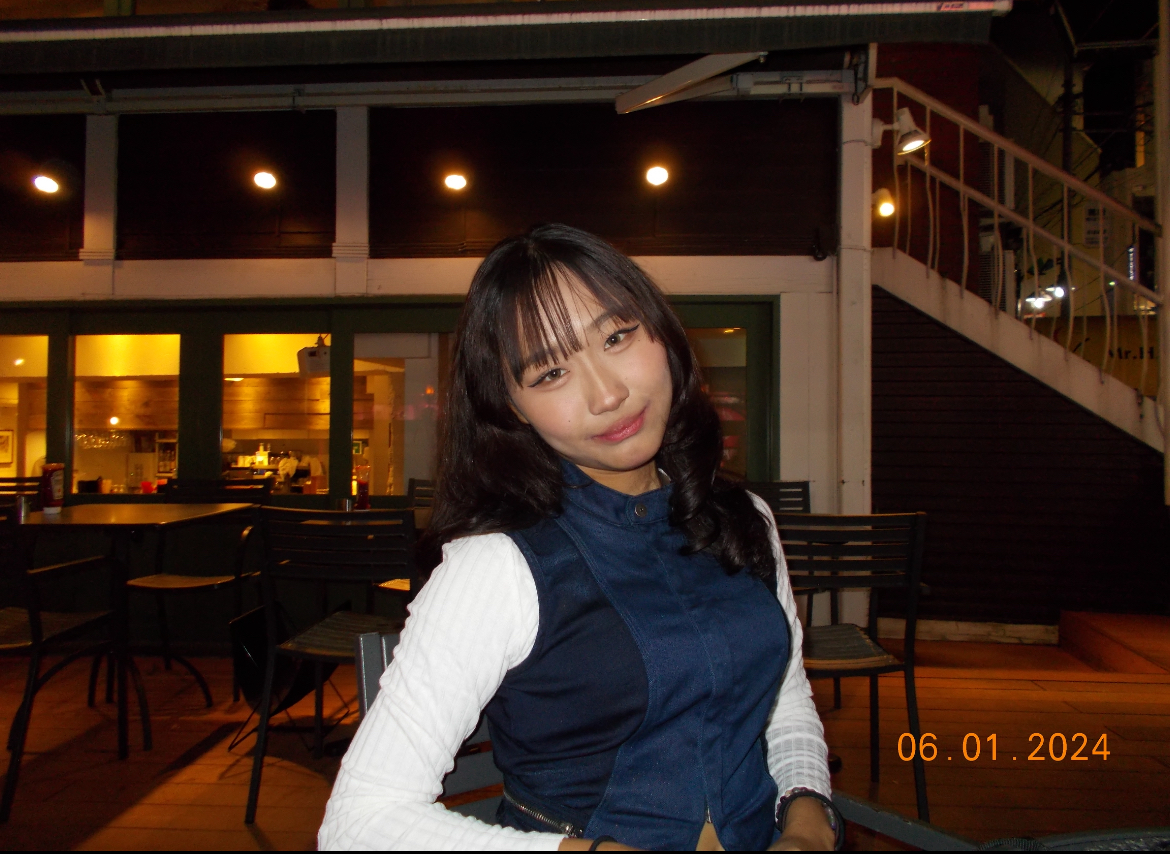
Sophia University · Faculty of Liberal Arts
IELTS, TOEFL & academic English
Hazel focuses on exam preparation and academic English, working back from the target score and deadline to identify the areas that need strengthening.

Keio University · Faculty of Economics
IB Physics, Maths & English
Currently in his second year of an economics degree, Dominic also attended Saint Mary's International School through graduation. Half-Japanese and half-English, he teaches IB Physics, Mathematics and English Language and Literature, and has already tutored with Petra.
Lessons follow your child's school topics where you can share them.
Multiplication, fractions, time, measurement: we start with what school is doing now.
We underline what is asked and what is given, in English.
Your child works the steps and says what they did.
A short note tells you what to practise before next time.
Maths tutoring is only worth it when it fits.
Before suggesting a tutor we confirm they are comfortable with your child's age and the topics involved.
Dutch and international schools teach in different orders. We ask which approach your child's school uses.
We do not promise grades or a place in any class.
Matching depends on your child's age, the subject and how your child learns best. Before we suggest anyone we check the following.
Whether a tutor is comfortable with the topics your child is working on.
Lessons are in English. We ask how comfortable your child is reading maths questions in English.
Online across the Netherlands, or in person mainly in Amstelveen and Amsterdam, subject to availability.
Times that suit school and your child's energy.
We start with a short conversation about your child and what is hard at the moment. Then we suggest a tutor and a way of working. Nothing here is a promise of availability.
Your child's age and school year, the subject, and the moment that feels hardest. We do not need your child's schoolwork or any sensitive personal details to start.
If a suitable tutor is available we tell you who we suggest and how the lessons would run. If none is, we say so.
Lessons can be online across the Netherlands. In person lessons are offered mainly in Amstelveen and Amsterdam, depending on tutor availability.
These depend on the tutor, the subject and the format, and we explain them when you get in touch. Our general pricing page has the current overview.
Tell us your child's age, school and the maths topic that feels hard right now. We will explain what is possible and whether a suitable tutor is available.
These are questions families often ask before they get in touch.
It depends on the tutor and the topic. We ask what your child's school uses and tell you honestly whether we have a tutor who is comfortable with it.
The general maths page covers all ages. This page is for primary pupils and focuses on reading and solving word problems step by step in English.
No. We help your child understand and attempt their own problems. They write their own answers.
In person lessons are offered mainly in Amstelveen and Amsterdam, depending on tutor availability. Online lessons are possible across the Netherlands.